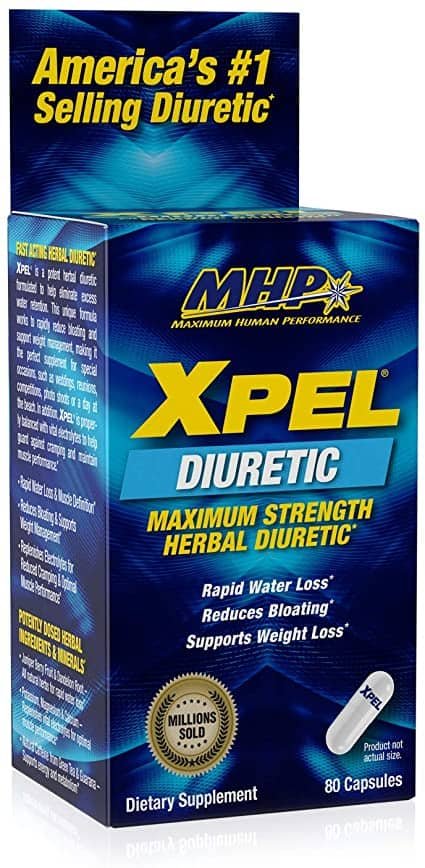
Water Pill Review: 4 Real Facts About Diuretics
Water pills promise fast weight loss, but the mechanism gives away the limitation: they remove water, not fat. This water pill review looks at what diuretics actually do medically, the three distinct drug classes involved, and why the weight-loss framing is misleading. Table of content How We Researched This Water Pill Review Water Pill Review: […]

Water pills promise fast weight loss, but the mechanism gives away the limitation: they remove water, not fat. This water pill review looks at what diuretics actually do medically, the three distinct drug classes involved, and why the weight-loss framing is misleading.
How We Researched This Water Pill Review
window.lightweightNewsPushAd(document.currentScript.previousElementSibling);
This water pill review checked the clinical research on diuretics across their three main drug classes, the FDA-approved brand list, and the specific safety warnings tied to electrolyte and mineral balance.
Water Pill Review: What Are They?
Water pills (diuretics) are drugs that increase urination to expel excess salt and water — originally discovered in 1918 by Alfred Vogl studying mercurial compounds for swelling. They fall into three classes: thiazide diuretics (the most commonly prescribed, working via blood vessel relaxation), loop diuretics (for impaired kidney function), and potassium-sparing diuretics (used alongside the other two to prevent potassium depletion).
What the Research Actually Shows
- Journal of Cardiac Failure: diuresis produced an average 6–7 pound loss over 72 hours — but this is water weight, not fat.
- Chinese Journal of Cardiology: diuretics can improve certain cardiovascular health markers alongside their water-loss effect.
- StatPearls: monitoring body weight and health parameters is important while using diuretics, given the real potential for side effects.
The Weight-Loss Claim, Debunked
This is the central issue: there is no research showing water pills reduce body fat, and the weight lost reverses once the body readjusts its water absorption after stopping the medication. Dr. Matthew Brengman notes that water pills alter the body’s chemistry — increased urination means electrolyte loss, which can carry serious consequences if abused. Athletes and boxers historically misuse diuretics to make weight classes or dilute drug tests, which is exactly why the World Anti-Doping Agency and International Olympic Committee ban them both during and outside competition.
Side Effects
Common effects include dehydration, headaches, dizziness, and increased thirst. More serious risks include low sodium, potassium imbalances, gout, seizures, and — with severe misuse — impotence, irregular periods, or breast enlargement in men.

Water pills can also interact with medications for pancreatitis, lupus, and gout.
Who Should Actually Take Water Pills
This fits people with a genuine medical need — heart conditions, kidney impairment, or menstrual-related bloating — under a doctor’s supervision, not people seeking weight loss. It’s a poor fit for anyone hoping for fat loss, anyone pregnant or breastfeeding, the elderly, or anyone on cyclosporine, lithium, or digoxin without medical guidance.
Water Pill Review: Frequently Asked Questions
Water Pill Review: The Bottom Line
Water pills have real, well-established medical uses for heart conditions, kidney issues, and bloating — but “weight loss” isn’t one of them, despite how they’re often marketed. Any scale change is water, not fat, and reverses quickly. This water pill review found legitimate medical tools being misapplied to a goal they were never designed for.
Find more Diuretic guides and resources on our site.