Zendocrine Review: Ingredients, Uses & Does It Work?
Zendocrine is a detoxification essential oil blend claiming to support the body’s natural ability to rid itself of unwanted substances, cleanse away toxins, support healthy liver function, and purify the body’s systems. Advertisement Table of content What Is ? Who Makes ? What Is an Essential Oil Blend? Benefits Ingredients Uses Side Effects Warnings Where […]

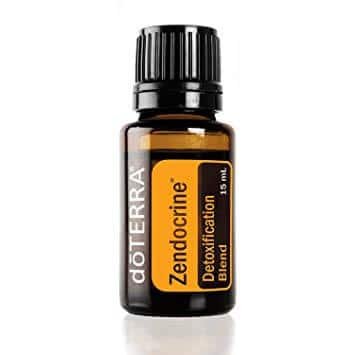
Zendocrine is a detoxification essential oil blend claiming to support the body’s natural ability to rid itself of unwanted substances, cleanse away toxins, support healthy liver function, and purify the body’s systems.
With more people turning to essential oil blends for general wellness, our research team wanted a clearer picture of what Zendocrine actually offers. We looked at the ingredient benefits and potential side effects, then reviewed the research supporting the company’s claims, and compiled it all here.
What Is Zendocrine?
Zendocrine is part of the doTERRA essential oils lineup. This detoxification blend is primarily marketed for supporting healthy liver function, detoxifying the body’s systems, and body system purification. As part of a broader essential oil regimen, doTERRA recommends pairing Zendocrine with Zendocrine softgels, the Zendocrine detoxification complex, geranium oil, cilantro oil, and tangerine oil.
Before going further, it’s worth checking the research on a few of the underlying ingredients: juniper carries strong antioxidant activity, per Heliyon; rosemary’s antioxidant content is thought to give it neuroprotective effects, according to Evidence-based Complementary and Alternative Medicine; and tangerines and oranges contain meaningful amounts of lutein, zeaxanthin, β-cryptoxanthin, and β-carotene, per BMC Chemistry.
Who Makes Zendocrine?
doTERRA International, whose name means “Gift of the Earth” in Latin, was founded in 2008 and sells its essential oil blends through a direct-selling model powered by more than 2 million independent sellers called Wellness Advocates. The company started with 25 single oils and 10 blends and has since expanded into detoxification blends and other specialty products, with a stated focus on high-quality, pure formulations.
What Is an Essential Oil Blend?
Essential oils are volatile aromatic compounds found in a plant’s bark, flowers, roots, seeds, and stems — small organic molecules that shift from liquid or solid to a gas at room temperature, which is what makes them effective for aromatherapy, as they interact with the body’s sensory glands when dispersed through the air. According to the National Institute of Environmental Health Sciences, essential oils are concentrated plant extracts obtained through distillation or mechanical pressing, retaining the flavor and scent of their source. Evidence-based Complementary and Alternative Medicine notes that at least 90 essential oils are recommended for dermatological use, spanning at least 1,500 different combinations.
Zendocrine Benefits
Beyond doTERRA’s specific claims — body system purification, toxin cleansing, and liver function support — essential oils more broadly have been studied as a complementary treatment alongside massage therapy and acupuncture, and for positive effects on nausea and vomiting.
Zendocrine Ingredients
The proprietary blend includes tangerine peel, rosemary leaf, geranium flower/leaf, juniper berry, and cilantro herb.
Tangerine Peel
Tangerine and other citrus fruits have been studied extensively for general health benefits, though research specific to this ingredient in blend form is limited.
Rosemary
A culinary staple worldwide that also carries antibacterial, antioxidant, cognitive, and anti-inflammatory properties, according to Evidence-based Complementary and Alternative Medicine. Separately, Psychiatry Research found that “smelling rosemary increases free radical scavenging activity and decreases cortisol levels.”
Geranium
Studied specifically for stress reduction — the Journal of Caring Sciences notes geranium essential oil aroma “can effectively reduce [stress]… and can be recommended as a non-invasive anti-[stress] aid.”
Juniper Berry
Native to Europe and the Americas, juniper has traditional use as an antidiarrheal, anti-inflammatory, astringent, and antiseptic, per International Scholarly Research Notices, with Antioxidants confirming multiple free-radical-scavenging mechanisms in juniper essential oil.
Cilantro
A dual-purpose culinary and medicinal herb; Fitoterapia documents anti-inflammatory properties.
Zendocrine Uses
Beyond its claimed benefits, Zendocrine can be used aromatically, topically, or internally.
Aromatic
Add three to four drops to a diffuser.
Topical
Add three to four drops to a bath (sometimes combined with Epsom salts), or apply one to two drops directly to a specific area, diluted with a carrier oil like fractionated coconut oil to reduce skin sensitivity.
Internal
Add one to two drops to citrus drinks, water, or tea, diluting one drop per four ounces of liquid.
Zendocrine Side Effects
Rather than relying solely on user reviews, our research focused on documented side effects for each individual ingredient.
Tangerine Peel
Skin reactions are possible, and the International Journal of Molecular Sciences recommends diluting citrus oils with a carrier oil before topical use. It’s also worth noting citrus oils can potentially interact with certain prescription medications.
Rosemary Leaf
No significant adverse effects are documented, though Scientia Pharmaceutica notes an animal study found rosemary exposure increased locomotive activity in mice.
Geranium Flower/Leaf
Research in the Dental Research Journal found no reportable side effects among patients receiving geranium.
Juniper Berry
SAGE Journals notes some reported side effects, including difficulty breathing, wheezing, and coughing.
Cilantro
Generally considered safe, though the Indian Journal of Pharmacology notes a possible mild sedative effect.
Zendocrine Warnings
The official label warns of possible skin sensitivity, recommends keeping the product out of reach of children, advises consulting a doctor if pregnant, nursing, or under medical care, and cautions against contact with eyes, inner ears, or other sensitive areas.
In 2014, doTERRA International received a warning letter from the FDA regarding several of its essential oils, including rosemary, lemon, and geranium, for being “promoted for conditions that cause them to be drugs.” The company has since corrected the flagged statements on its official website.
Where to Buy Zendocrine
Available through the official doTERRA store: $32.00 for a 15-milliliter bottle, or $24.00 with a wholesale account offering a 25% discount.
Zendocrine Pros and Cons
Pros: Real research supports the health benefits of several individual ingredients.
Cons: Possible skin irritation, and documented potential side effects across several ingredients.
The Bottom Line on Zendocrine
Zendocrine is a detoxification blend built around claims of toxin cleansing, body system purification, and liver support — but based on our research, there’s no direct study confirming the “body system purification” claim specifically. Worth remembering: the body already detoxifies itself naturally without outside supplementation, and if weight loss is the underlying goal, an essential oil blend generally isn’t the most direct path there — a genuinely balanced diet and consistent activity level will do far more heavy lifting.
Explore more Detox reviews and guides on our site.
For general guidance on healthy weight management, see the resources available from Mayo Clinic.