Noom vs. Mediterranean Diet
Let’s take a closer look at noom vs mediterranean diet and what it genuinely offers. Advertisement The weight-loss industry is booming, and technology keeps redrawing the map for how to approach overweight and obesity. At the same time, some traditional diets carry decades of genuine clinical support. Pairing the two together can be a genuinely […]

Let’s take a closer look at noom vs mediterranean diet and what it genuinely offers.
The weight-loss industry is booming, and technology keeps redrawing the map for how to approach overweight and obesity. At the same time, some traditional diets carry decades of genuine clinical support. Pairing the two together can be a genuinely winning combination — so let’s see how Noom’s technology-driven approach stacks up against the traditional Mediterranean Diet.
Noom Vs Mediterranean Diet: What Is Noom?
Noom is an app-based weight-loss and lifestyle program built by doctors around small, sustainable changes, offered through both a Healthy Weight Program and a Diabetes Prevention Program.
What Is the Mediterranean Diet?
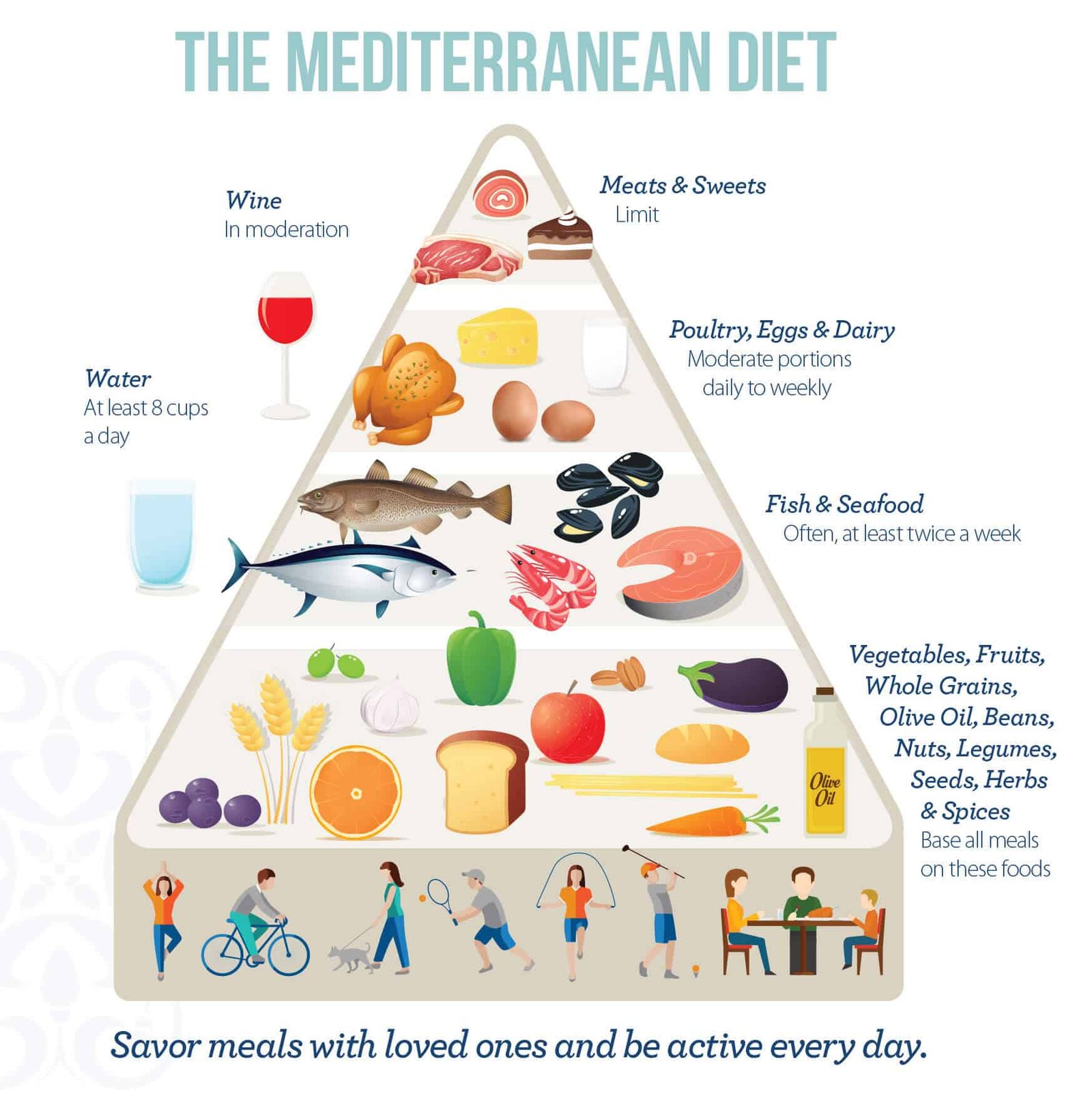
The Mediterranean Diet reflects how people in the Mediterranean region traditionally eat — mostly plant-based, with fruits, vegetables, nuts, healthy oils, and moderate lean protein like fish and poultry.
Noom vs. Mediterranean Diet: History
Brief History of Noom
Saeju Jeong and Artem Petakov founded Noom in 2008, securing funding over the years from investors like Samsung and Sequoia Capital, with offices in Seoul, Tokyo, and New York.
Brief History of the Mediterranean Diet
The diet traces back to ancient Greek eating habits, later adopted by the Romans, though it wasn’t recognized as particularly healthy until researchers noticed lower rates of heart disease in Mediterranean countries. The landmark Seven Countries Study, comparing lifestyles and diets across Yugoslavia, Italy, Holland, Finland, Japan, the United States, and Greece, was central to establishing the diet’s reputation for supporting heart health.
Noom vs. Mediterranean Diet: Who’s Behind the Plans?
Who Created Noom?
Petakov, a former Sun Microsystems intern and Google engineer who co-founded WorkSmart Labs, partnered with Jeong, who ran BuyHard Productions in Seoul for six years, to build Noom with a team of nutritionists, psychologists, doctors, and trainers.
Who Created the Mediterranean Diet?
No single person is credited — it evolved organically from ancient Greek and Roman eating patterns, gaining scientific attention by the 1960s once researchers linked it to lower heart disease rates in the region.
Noom vs. Mediterranean Diet: The Rules
Rules of Noom
Noom is built more on pillars than strict rules: food tracking, exercise tracking, and daily education.
Food Logging: Foods sort into green (go), yellow (moderate), and red (occasional) categories. Green includes most fruits, vegetables, whole grains, and low-fat dairy; yellow covers lean meats, avocados, and alternative proteins like tofu; red includes fatty meats, butter, sugar, and fried foods.
Exercise Tracking: Exercise earns back 50% of burned calories — burn 250 calories, and a 1400-calorie goal rises to 1525.
Lessons and Quizzes: Ten minutes a day of bite-sized lessons and quizzes gradually build toward significant, lasting lifestyle change over 16 weeks.
Rules of the Mediterranean Diet
The core distinction is unprocessed versus processed foods. Encouraged foods include fruits, vegetables, seeds, legumes, whole grains, potatoes, herbs, spices, seafood, and healthy oils, with yogurt, eggs, poultry, and cheese in moderation and red meat only occasionally. Processed foods, refined grains and oils, added sugar, and processed meats are discouraged, along with “low-fat” or “non-fat” labeled products, which often carry hidden added sugar.
Noom vs. Mediterranean Diet: Eating Plans
The Noom Eating Plan
Noom prioritizes whole foods over processed ones, working with the body’s natural nutrient absorption in a way fortified foods can’t quite replicate. Nothing is restricted outright — the focus stays on choosing healthier options more often. As the company puts it: “With Noom you’ll learn about social eating, cognition and food, stress management, managing emotions in relation to food, how exercise affects you, why we eat and act the way we do as humans, along with so much more.” The CDC recognizes Noom as an official lifestyle change program.
The Mediterranean Eating Plan
There’s no rigid transition plan — the simplest starting point is cutting processed foods like soda, pastries, and refined white foods, replacing them gradually with whole foods and whole grains until the Mediterranean style becomes second nature.
Noom vs. Mediterranean Diet: Plan Duration
Noom runs a structured 16-week program paired with ongoing coach access. The Mediterranean Diet has no timeline at all — it’s simply a long-term way of eating built around whole foods, healthy fats, and lean proteins.
Key Differences Between Noom and the Mediterranean Diet
The biggest distinction is delivery: Noom is app-based and structured, while the Mediterranean Diet is a traditional eating pattern with no built-in steps or program to follow. That said, the two align closely in substance — Noom’s food guidance largely mirrors Mediterranean principles, just delivered through a more structured, technology-driven framework.
Can You Follow the Mediterranean Diet on Noom?
Yes, easily. Noom’s green, yellow, and red food categories map naturally onto Mediterranean-style eating, making the two highly compatible rather than competing approaches.
Possible Side Effects
Neither plan carries meaningful side effects — both are built around natural, whole foods, healthy fats, and lean proteins that support overall health rather than working against it.
Noom vs. Mediterranean Diet: The Research
A study of more than 35,000 Noom users in Scientific Reports found over 75% reported weight loss, with frequent evening-meal and exercise tracking tied to the strongest results. Research in MSRS also found Noom effective for weight maintenance, and the Diabetes Prevention Program showed benefits for blood sugar control, according to JMIR.
The Mediterranean Diet’s research base runs deep. A 2015 study in Nutrients linked it to improved cognitive function and lower cardiovascular risk. A 2017 study in Nutrition Today found reduced chronic disease risk and improved longevity, and a 2019 review of more than 40 studies confirmed it “play[s] a role in the primary and secondary prevention of cardiovascular [conditions].”
The Bottom Line: Noom vs. Mediterranean Diet
These two aren’t really competitors — they’re complementary. The Mediterranean Diet offers decades of research-backed nutritional wisdom, while Noom provides the structure, coaching, and accountability to actually put those principles into practice and make them stick.
Frequently Asked Questions
Explore more Health Articles reviews and guides on our site.
Overall, noom vs mediterranean diet remains worth understanding before you decide.
Overall, noom vs mediterranean diet remains worth understanding before you decide.