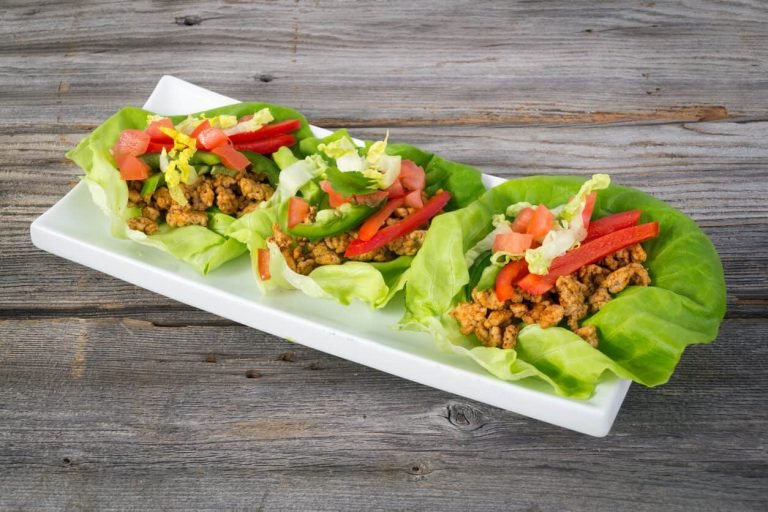
Paleo Diet: Food List, Meal Plan, Benefits & Does It Work?
The Paleo diet is a modern eating plan built around what prehistoric humans ate millions of years ago. During the Paleolithic era — roughly 2.5 million to 10,000 years ago — hunters and gatherers relied on foods like fish, lean meats, seeds, nuts, fruits, and vegetables. Grains, flour, and dairy products are left out entirely, […]

The Paleo diet is a modern eating plan built around what prehistoric humans ate millions of years ago. During the Paleolithic era — roughly 2.5 million to 10,000 years ago — hunters and gatherers relied on foods like fish, lean meats, seeds, nuts, fruits, and vegetables. Grains, flour, and dairy products are left out entirely, since crop cultivation and animal domestication hadn’t happened yet.
What Is the Paleo Diet?
At its core, the Paleo diet definition comes down to eating the way our ancestors did.
How to Start a Paleo Diet
As with any new eating plan, it’s worth checking with your physician before diving in. Once you’re cleared, the next step is figuring out which foods belong on your menu — and doing a bit of research first goes a long way.
No diet is completely without its pitfalls, and Paleo is no exception. But once you’ve decided to commit, head to the grocery store with a Paleo shopping list in hand. Success on this diet is partly a mindset — staying out of environments that make sticking to it harder (think office snack drawers and fast-food-heavy routines) tends to help.
“There’s really no trick to starting the diet. You just stop eating non-paleo foods like grains and dairy, load up on meat, fish, eggs, fruits, vegetables, and nuts instead. It’s similar to other diets in that the biggest benefits come from not having all the refined and processed foods that most of us tend to overeat. Paleo, as a concept, is an easy way to eat more whole foods and less of everything else,” says Lou Schuler, a Certified Strength and Conditioning Specialist.
Is the Paleo Diet Healthy?
The Paleo diet does carry some real health benefits. For one, it cuts out sugars, processed foods, dairy, cereal, and junk food across the board. The main point of debate tends to center on red meat, which is eaten fairly generously on this plan.
Since the diet is modeled directly on what hunter-gatherers ate during the Paleolithic era, it’s generally considered a reasonably safe approach for most healthy adults.
A Closer Look: Criticisms of the Paleo Approach
Not everyone is fully on board with the Paleo premise, and it’s worth understanding the pushback. The diet’s core idea — eating the way “carnivore” cavemen supposedly did during the Paleolithic era — draws real criticism from some researchers and physicians who argue humans were never built to rely on animal flesh as a daily staple.
Part of the argument centers on basic biology: since no animal can pull nitrogen from the air and convert it into an amino acid, all protein ultimately originates in plants. Animals that eat plants simply pass that protein along the food chain, which raises a fair question — why not get protein more directly from plant sources instead of relying on animals as the “middle-man”?
Critics also point out that Paleolithic-era diets actually varied enormously by region, shaped by whatever food was locally available rather than any single universal “caveman” menu. Physician Dr. Milton Mills has argued at length that humans show few of the physical traits associated with natural carnivores — for instance, many nocturnal predators have a reflective layer behind the retina (the tapetum lucidum) that helps them see in the dark, a trait humans lack, according to veterinary ophthalmologist Dr. Cynthia Powell in an interview with NPR. Mills also notes that human saliva contains the enzyme ptyalin for pre-digesting starches, and that human stomach acid is considerably weaker than that of true carnivores — both traits more typical of omnivorous or plant-heavy diets.
There’s also a practical argument: true carnivores in the wild often go many days between successful hunts, sometimes eating a single very large meal to last five or six days, a pattern that doesn’t match how most people actually eat — or thrive — today. Dr. Mills has been blunt about his own view, comparing plant-forward eating to “good sex”: if you’re not enjoying it, he argues, you’re probably doing it wrong.
None of this means Paleo eating is without merit — cutting processed food and added sugar has real, well-documented benefits regardless of which camp you fall into. But it’s a fair, ongoing debate, and worth knowing before you commit fully to the “eat like a caveman” framing.

Paleo Diet Basics
A few core guidelines tend to define success on this plan:
- Follow a higher-fat, lower-carbohydrate structure
- Eat generous amounts of healthy fat
- Eat generous amounts of vegetables
- Eat fruit in moderation
- Cut all cereal grains and legumes
- Eliminate added sugars and dairy
- Add a moderate, consistent exercise routine
Paleo Diet Guidelines
The broader Paleo diet guidelines cover everything you need to know about losing weight and staying healthy on this plan. As Health.com explains, the diet centers on fish, seafood, lean meats, vegetables, fruits, nuts, and legumes, while restricting sugar, processed foods, dairy, added salt, and junk food. Within those boundaries, portion sizes are fairly flexible.
Paleo Diet Rules
Sticking to the Paleo diet successfully comes down to a fairly short list of rules: eat only lean meats, fish, vegetables, fruit, legumes, and nuts, and skip processed foods entirely, including refined sugar, coffee, added salt, and grains. The good news is that within those categories, there are still hundreds of foods to work with. As always, it’s worth checking with your physician to confirm the diet is a good fit for your health history.
What to Eat on the Paleo Diet
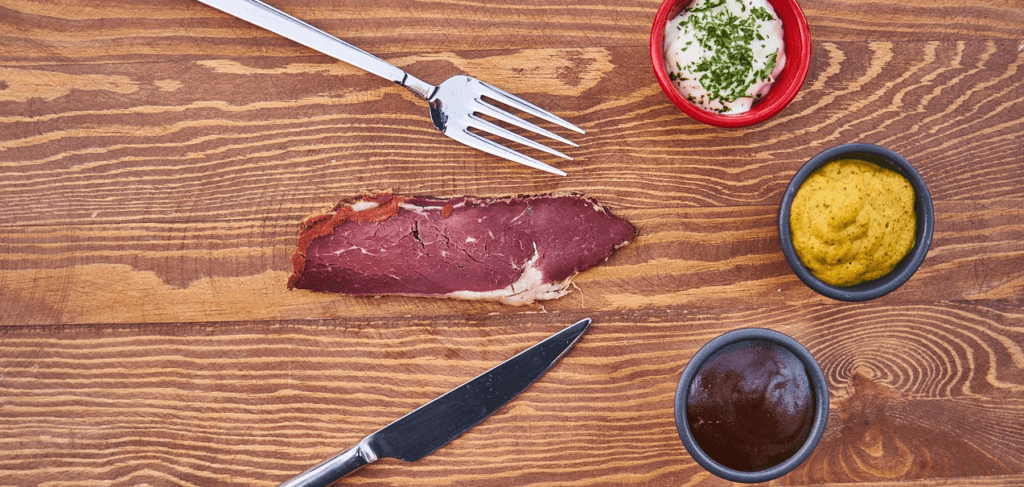
One of the most common questions is simply, “What can I actually eat?” According to BBC Good Food, the approved list centers on fish, lean meats, vegetables, nuts, legumes, and fruit — the same general categories our Paleolithic ancestors would have relied on. Plenty of Paleo cookbooks and recipe collections are built around keeping meals from those categories interesting and satisfying.
Paleo Diet Foods
The full list of Paleo-approved foods is broader than many people expect once you dig in — fruit, vegetables, meat, fish, nuts, and legumes all have a place. Some research suggests this eating pattern, modeled on what our ancestors likely ate, can support both weight loss and overall health.
Paleo Diet Food List
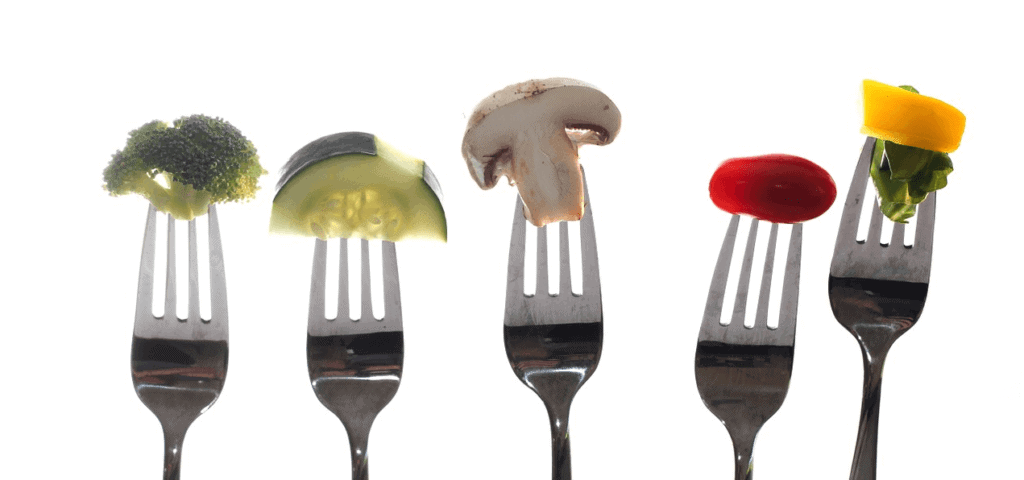
The Paleo food groups line up closely with other whole-food-focused plans like the Atkins Diet or the so-called Caveman Diet. According to WebMD, the approved list generally includes:
- Pasture-raised and grass-fed meats
- Seafood of all types
- Vegetables of all types
- Eggs
- Fruit
- Nuts and seeds
- Certain oils, like olive oil
Paleo Diet Breakfast
There’s no shortage of satisfying Paleo breakfast ideas beyond the obvious eggs. Egg muffins made with just eggs and vegetables are a quick, protein-packed option. Apple muffins make for an easy grab-and-go breakfast with a solid energy boost, and apricot power bars deliver a hit of natural sweetness along with real nutritional value.
Paleo Diet Snacks
According to Greatist, one of the more underrated perks of Paleo eating is that snacking is still fully allowed. Having limitations on a diet doesn’t mean the food has to taste like a punishment — cauliflower popcorn, pumpkin hummus, and springtime guacamole are all Paleo-friendly snacks that hold their own against less healthy alternatives.
Paleo Diet Desserts
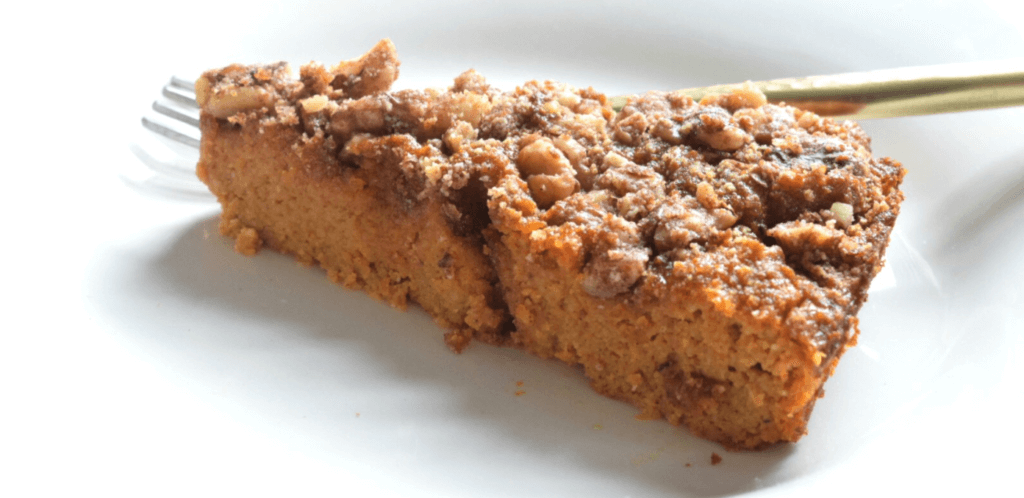
Being on a Paleo diet doesn’t mean giving up dessert entirely — it just means giving up refined sugar. Fruit skewers straight off the grill, a mango-strawberry sorbet, or homemade Paleo granola all prove that sugar-free doesn’t have to mean flavor-free.
Paleo Diet Meal Plans, Meals, and Menus
There’s a lot of flexibility in how you structure Paleo meals, as long as you stay within the lean meat, fruit, vegetable, fish, nut, and legume guidelines. Prepping meals in advance tends to save significant time during the week, and plenty of Paleo recipes are available online for exactly that purpose. Ready-made meal plans are also worth considering if your schedule is especially tight.
Paleo Diet Meals
A typical week on the Paleo diet includes a real variety of breakfast, lunch, dinner, and snack options. Some dieters build their own plan from scratch based on personal food preferences, while others lean on published Paleo cookbooks for structure. A popular shortcut some plans follow is the “5/15” rule — meals that take no more than 15 minutes to prepare using five ingredients or fewer, which keeps the diet realistic even on busy weeks.
Paleo Diet Menu
Much like a restaurant menu, a Paleo diet menu typically lays out a full range of breakfast, lunch, dinner, and snack choices. Many Paleo cookbooks include downloadable sample menus complete with a matching shopping list, making it easy to plan several days or even a full week at once without guesswork.

Paleo Diet Recipes
Paleo recipes are generally built to be filling, flavorful, and genuinely healthy. Mixing and matching from the approved food list opens up hundreds of possible meals, and even Paleo desserts manage to satisfy a sweet tooth without straying from the guidelines. Most recipes call for five ingredients or fewer and come together quickly — think tuna avocado lettuce wraps, balsamic green bean salad, Paleo pumpkin muffins, or coconut cupcakes with chocolate frosting.
Paleo Diet Sample Recipe: Beef and Broccoli
Ingredients:
- 3 tablespoons toasted sesame oil
- 7 cups chopped broccoli
- 2 tablespoons grated fresh ginger
- 2/3 cup coconut aminos
- 1 teaspoon salt
- 1 teaspoon garlic powder
- 1 teaspoon red pepper flakes
- 1 to 1.5 pounds flank steak or sirloin, sliced into strips against the grain
- 1 tablespoon tapioca starch (optional, for a thicker sauce)
Instructions:
- Heat the sesame oil in a large skillet over medium-high heat.
- Add the broccoli, ginger, coconut aminos, salt, garlic powder, and red pepper flakes. Cook until the broccoli begins to soften, about 5 minutes.
- Add the beef and cook for another 5 minutes.
- If you’d like a thicker sauce, stir in the tapioca starch until it thickens.
- Serve over rice, cauliflower rice, or zucchini noodles.
Paleo recipes tend to be simple without sacrificing flavor. Most rely on fresh, nutrient-dense ingredients, keep the ingredient count low, and come together with minimal prep time — and they’re often more budget-friendly and healthier than many conventional weeknight meals.
Paleo Diet Shopping List
Before starting, it helps to put together a shopping list built around approved foods: lean meats, fish, fruits, nuts, and legumes. Just as important is knowing what to leave off the list entirely — junk food, processed food, flour, added salt, and sugar are all off the table. Your results on this diet ultimately track closely with how consistently you stick to that list.
Paleo Diet Benefits
According to Scientific American, the Paleo diet does offer some genuine benefits. It supports healthy cell growth, and some researchers point to the salmon commonly eaten on the plan as a support for brain health. The diet’s heavy emphasis on protein also tends to support fat loss while helping preserve lean muscle.
Some research also suggests Paleo eating supports gut health, improves nutrient absorption, boosts energy levels, and — perhaps most notably for many dieters — supports weight loss. While clinical research on the Paleo diet specifically is still fairly limited, what’s clear so far is that it can offer real benefits for both general health and athletic performance, particularly compared with a typical Western diet heavy in refined carbs, added sugar, and unhealthy fats.
Paleo Diet Results
Some Paleo dieters report significant results, including weight loss stories well over 100 pounds. In head-to-head studies, participants with obesity who followed a Paleo-style diet for six months lost more weight on average than those following a standard low-carb diet. Plenty of individual accounts online describe the diet as genuinely life-changing.
Paleo Diet Reviews
Overall, reviews of the Paleo diet skew positive. Some physicians have raised questions about the diet’s long-term evidence base, while many actual users describe a very different, more positive experience. One common critique centers on the limited amount of rigorous clinical research behind some of the diet’s specific claims.
According to History.com, some health professionals also question the exclusion of dairy and grains, noting there’s genuine debate over whether early humans actually consumed grains at all. Even so, most published books on the Paleo diet have received largely favorable reviews from readers.

Paleo Diet for Athletes
A growing number of fitness enthusiasts have adopted Paleo eating specifically to support training and performance, and several books focus on how athletes in particular can get the most from the plan.
According to Dr. Loren Cordain, athletes following a Paleo approach tend to see measurable improvements in cardiovascular fitness, strength, and overall conditioning. Orthopedic specialist Dr. Levi Harrison has written extensively about the diet’s relevance for athletic performance specifically, noting that Paleo eating is naturally low in sugar, salt, artificial dyes, dairy, preservatives, gluten, and grains — all factors that, when minimized, can support the body’s ability to perform and recover.
Dr. Harrison points to fresh, nutrient-dense food groups as a source of antioxidants and steady energy, with the potential to support immune function, reduce inflammation (particularly in the gut), improve digestion, and support healthy metabolic and cognitive function. He notes that diets heavy in processed, sugar- and salt-laden foods are linked to conditions like obesity and digestive issues, while a Paleo-style approach can help counter that by prioritizing nutrient-dense, minimally processed foods.
For athletes specifically, he points to faster recovery after training and competition, along with potential benefits like improved muscle recovery, better digestion and nutrient absorption, improved glucose control, better LDL/HDL and triglyceride profiles, and sharper cognitive function. Patients who’ve adopted a structured Paleo approach have reported running farther and with less fatigue, stronger and more intense workouts, clearer thinking, improved digestive symptoms, and better overall recovery and stamina.
Paleo Diet Plan for Weight Loss
As a weight-loss plan, Paleo eating is modeled directly on what hunter-gatherers relied on during the Paleolithic era — fruits, vegetables, lean meats, fish, nuts, and legumes — while excluding dairy, flour, and added sugar.
Weight loss is consistently cited as one of the plan’s biggest draws, and unlike many diets, it doesn’t require strict calorie counting. That said, paying attention to your overall balance of carbohydrates, protein, and fat still matters for getting the best results. The typical meal structure leans on high-protein, lower-carb foods designed to support fat loss while helping preserve muscle.
Many dieters report steady weight loss, more consistent energy, and improved digestion on this plan, which is modeled on what researchers believe humans ate from roughly 25 million to 10,000 years ago — a diet of lean meat, fish, vegetables, fruit, nuts, and legumes that appears to have supported better overall health during that period.
Vegetarian Paleo Diet
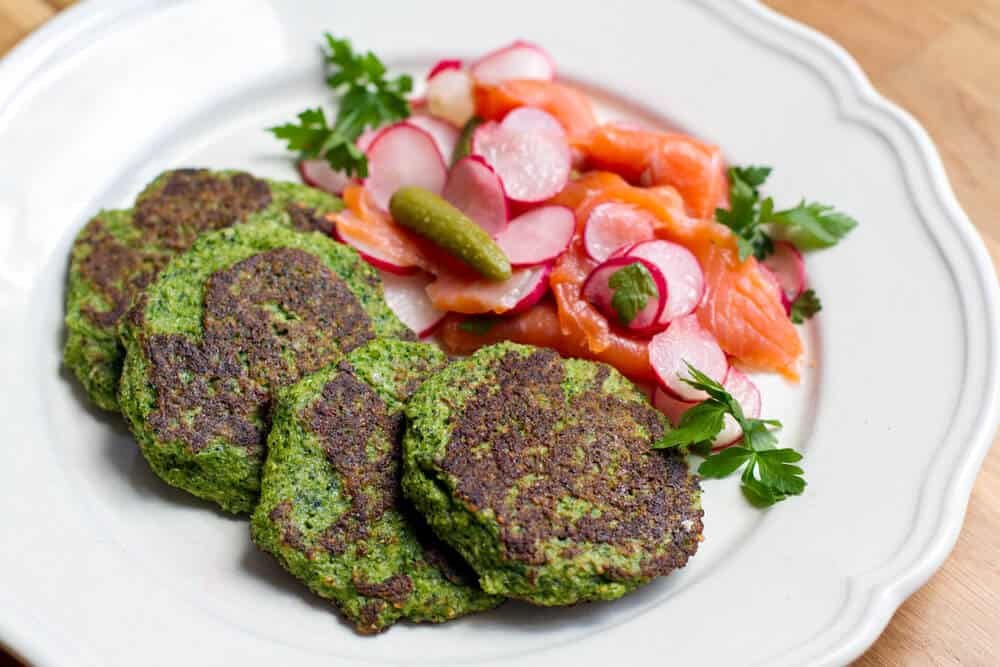
A vegetarian version of the Paleo diet follows all the same core rules, with one major exception: meat is off the table. That means finding other reliable sources of protein to fill the gap left by excluding meat. While workable in principle, some critics note this version can be genuinely tricky to follow well in practice.
According to No Meat Athlete, cutting meat narrows your meal options considerably, since meat is such a central component of the standard plan — often accounting for roughly 55% of daily calories on a traditional Paleo approach. A vegetarian version typically leans more heavily on eggs, legumes, nuts, and seeds to close that protein gap.
The Bottom Line on the Paleo Diet — Does It Work?
Many researchers argue the Paleo diet isn’t just another passing fad — it draws on eating principles our ancestors relied on to support both health and steady body weight. According to Dr. Loren Cordain, author of The Paleo Diet, the plan’s effectiveness comes largely from being both high-protein and low-glycemic, two traits closely tied to sustainable weight loss.
Nell Stephenson, author of Paleolista, has documented individual cases of people losing as much as 75 pounds over six months, though results vary widely based on factors like starting weight, gender, and overall health. Taken together, the research is mixed but leans positive.
For anyone drawn to the diet’s structure but wary of some of its criticisms, a modified vegetarian-leaning version can be a reasonable middle ground: cut grains and dairy, skip red meat while allowing chicken and seafood, add plant proteins like tofu and tempeh, and build the bulk of each meal around vegetables. It’s also worth being aware that a heavily meat-based diet raises separate questions around environmental sustainability — livestock farming’s resource and emissions footprint is a real consideration for anyone thinking about the bigger picture, not just personal health.
Ultimately, whether the Paleo diet is right for you comes down to your goals, your relationship with structure, and how sustainable the plan feels for your actual lifestyle — the version you can stick with consistently will always outperform the “perfect” version you abandon after two weeks.
Explore more Health Articles reviews and guides on our site.