Noom vs. Nutrisystem
Let’s take a closer look at noom vs nutrisystem and what it genuinely offers. Advertisement How does a tech-based app using psychology to drive weight loss compare to a meal delivery service that’s been around for more than three decades? Weight loss is really a whole-body journey — one that involves both physical and mental […]

Let’s take a closer look at noom vs nutrisystem and what it genuinely offers.
How does a tech-based app using psychology to drive weight loss compare to a meal delivery service that’s been around for more than three decades? Weight loss is really a whole-body journey — one that involves both physical and mental challenges.
Noom Vs Nutrisystem: What Is Noom?
Noom takes a different angle on weight loss, focusing on changing how users think rather than prescribing a specific diet. Built by doctors, psychologists, and nutrition experts, its mission is to make weight loss feel nearly effortless — a subscription includes education, food logging, fitness tracking, and access to a personal health and wellness coach.
What Is Nutrisystem?
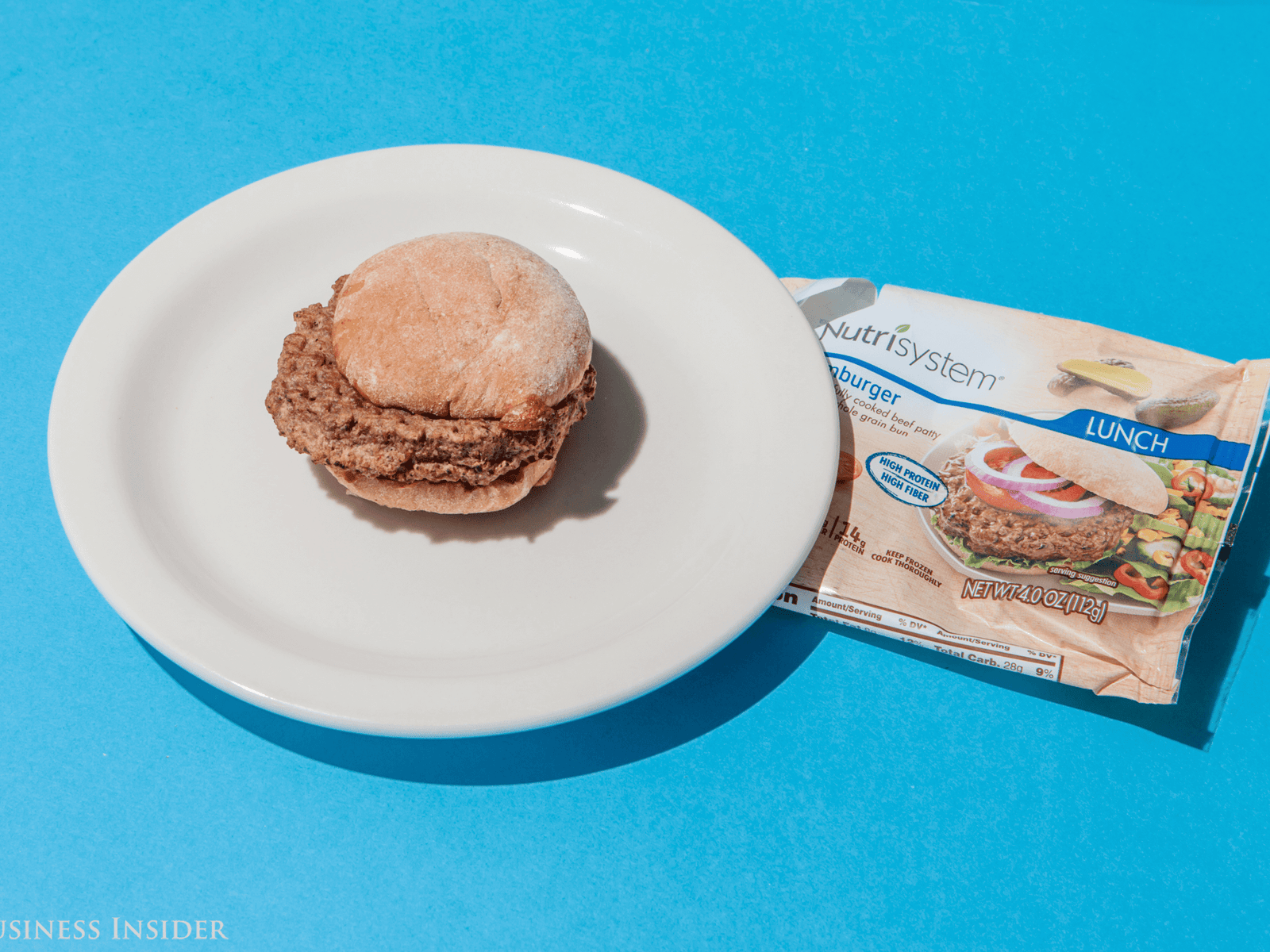
Nutrisystem is a popular meal delivery service built around portion control and eating smaller meals throughout the day, with plans customized around body type, goals, and dietary preferences. Meal options span breakfast, lunch, dinner, and snacks, available ready-to-eat, frozen, or as mixes.
Noom vs. Nutrisystem: History
Brief History of Noom
Founded in New York City in 2008, Noom went live in 2016 after nearly eight years of development, attracting 50 million users and investment from Samsung and Sequoia Capital. A partnership with Danish healthcare company Novo Nordisk has since expanded the Diabetes Prevention Program, and Noom is recognized by the CDC as an approved lifestyle program.
Brief History of Nutrisystem
Nutrisystem’s roots trace to 1971, when Harold Katz, frustrated watching his mother struggle with yo-yo dieting, used his life savings to open Shape Up, a Pennsylvania fitness center. Success led to franchising, and the company rebranded multiple times — Shape-Up Weight Control Centers of America (1976), Weight Loss Medical Centers of America (1977), and finally Nutri-System Weight Loss Medical Centers of America (1979). By 1982 it was valued at $300 million, but bad investments and antitrust lawsuits nearly bankrupted Katz. A 1990s lawsuit from 19 women alleging health damage from the diet forced Nutrisystem into bankruptcy in 1993. It reemerged in the late ’90s as the online retailer known today, and Tivity Health acquired it in 2018 for $1.4 billion.
Noom vs. Nutrisystem: Who’s Behind the Plans?
Who Created Noom?
Petakov (computer scientist, ex-Microsoft and Google) and Jeong (engineer) partnered with leading psychologists, nutritionists, and personal trainers to build the Noom protocol.
Who Created Nutrisystem?
Harold Katz invested $20,000 to launch his first weight-loss center near Philadelphia. His success later funded his purchase of the Philadelphia 76ers in 1982, along with investments in real estate, nursing homes, and banking. He now heads the H. Katz Capital Group, a Philadelphia-area private equity firm.
Noom vs. Nutrisystem: The Rules
Rules of Noom
Noom emphasizes positive behavior over restrictive rules, built around education, food logging, and fitness tracking.
Food Logging: Green foods (nutritious, low-fat, no added sugar) form the core staples; yellow foods (nutritious but with some fat or sugar) require portion awareness; red foods (high-calorie, high-fat) are fine occasionally. Green includes fruits, vegetables, starchy vegetables like sweet potatoes, non-fat dairy, and whole grains. Yellow includes lean meats, seafood, low-fat dairy, legumes, and starchier grains. Red includes bacon, sausage, desserts, nut butters, and mayonnaise — nothing’s off-limits, just balanced.
Fitness Tracking: Since most people overestimate exercise duration and intensity, Noom credits back just 50% of burned calories, keeping women’s minimum at 1,200 calories and men’s at 1,400.
Rules of Nutrisystem
Nutrisystem claims up to 18 pounds and 7 inches lost in two months on its strict plan, delivering monthly “heat and eat” meals and snacks alongside a grocery guide for supplemental items. Meals happen every two to three hours to curb cravings and prevent overeating. “Flex meals” allow eating out occasionally, guided by high-fiber, lean-protein choices and low-glycemic carbs like fruits, vegetables, and low-fat dairy. NuMi, the companion app, offers nutrient tracking, hydration and workout reminders, articles, and an approved-recipe database.
Noom vs. Nutrisystem: Eating Plans
The Noom Eating Plan
The green/yellow/red system guides food choices by nutritional value and calorie density, with wellness coaches available via chat for ongoing guidance.
The Nutrisystem Eating Plan
Built around proper portions, limited added sugar and unhealthy fat, and eating every two to three hours (including two snacks) to support fat-burning without extreme hunger. The grocery guide breaks supplemental foods into Power Fuels (fish, lean meats, nuts, low-fat yogurt), Smart Carbs (fruits, whole grains, starchy vegetables), Free Foods (under 10 calories per serving), and Extras (capped at 3 servings daily). Three plans are typically available: the Basic Plan (aiming for 13 pounds and 7 inches in 28 days, including the metabolism-boosting “Turbo Takeoff” week), the Core Plan (more meal choice plus counselor access), and the Uniquely Yours Plan (full control over frozen meal selection). Sample meals include oatmeal or omelets for breakfast, soup or pasta for lunch, and chicken and rice or pizza for dinner.
Noom vs. Nutrisystem: Plan Duration
Noom offers a 16-week Healthy Weight Program or 24-week Diabetes Prevention Program, both extendable for maintenance — $59/month standalone, or about $17/month annually. Nutrisystem runs on 28-day cycles, renewable monthly, with most users staying on for six months or more based on typical reviews.
Key Differences Between Noom and Nutrisystem
The clearest distinction is format — app versus meal delivery — but both actually share a similar underlying philosophy: favor nutrient-dense foods, limit high-fat, low-nutrition options.
Can You Follow Nutrisystem on Noom?
Yes — simply log Nutrisystem meals in the Noom app just as you would home-cooked or restaurant food.
Possible Side Effects
Noom carries no notable side effects given its gradual, supplement-free approach. Nutrisystem’s most commonly reported issues — indigestion, diarrhea, and upset stomach — likely stem from a sudden dietary shift rather than the meals themselves.
Noom vs. Nutrisystem: The Research
A study of 35,000 women over nine months in Scientific Reports found nearly 80% lost weight on Noom. The Journal of Medical Internet Research confirms that regular virtual coaching improves dieting success, a feature built into every Noom membership, and the International Scholarly Research Network found people who lose weight without behavioral change tend to regain it — the exact gap Noom’s psychology-first approach aims to close.
Nutrisystem also has real support. A 12-week review in the Annals of Internal Medicine found Nutrisystem users lost 3.8% more weight than controls, though researchers called for deeper study. Portion control itself is well supported — the International Journal of Obesity confirms its effectiveness for reducing obesity — and Nutrisystem’s high-protein meals align with research in Obesity Facts showing greater and more sustained weight loss among higher-protein dieters. More broadly, the Journal of Human Nutrition and Dietetics found regularly delivered, portion-controlled meals genuinely support weight loss.
The Bottom Line: Noom vs. Nutrisystem
Both programs carry genuinely solid clinical backing. Nutrisystem offers a strong jumpstart and hands-on portion-control education, but Noom goes a step further by layering in the psychological training needed to sustain those habits independently over time.
Frequently Asked Questions
Explore more Diet Program reviews and guides on our site.
Overall, noom vs nutrisystem remains worth understanding before you decide.
Overall, noom vs nutrisystem remains worth understanding before you decide.