
4 Reasons to Ditch the Fitness Tracker and Listen to Your Body
Say you’ve spent the past year tracking your food with a free fitness tracker app, cutting back on alcohol and refined carbs, joining a gym, and chasing those orange and red heart-rate zones. The weight came off fast at first, but now it’s tapered off — just 12 pounds in an entire year. One pound […]

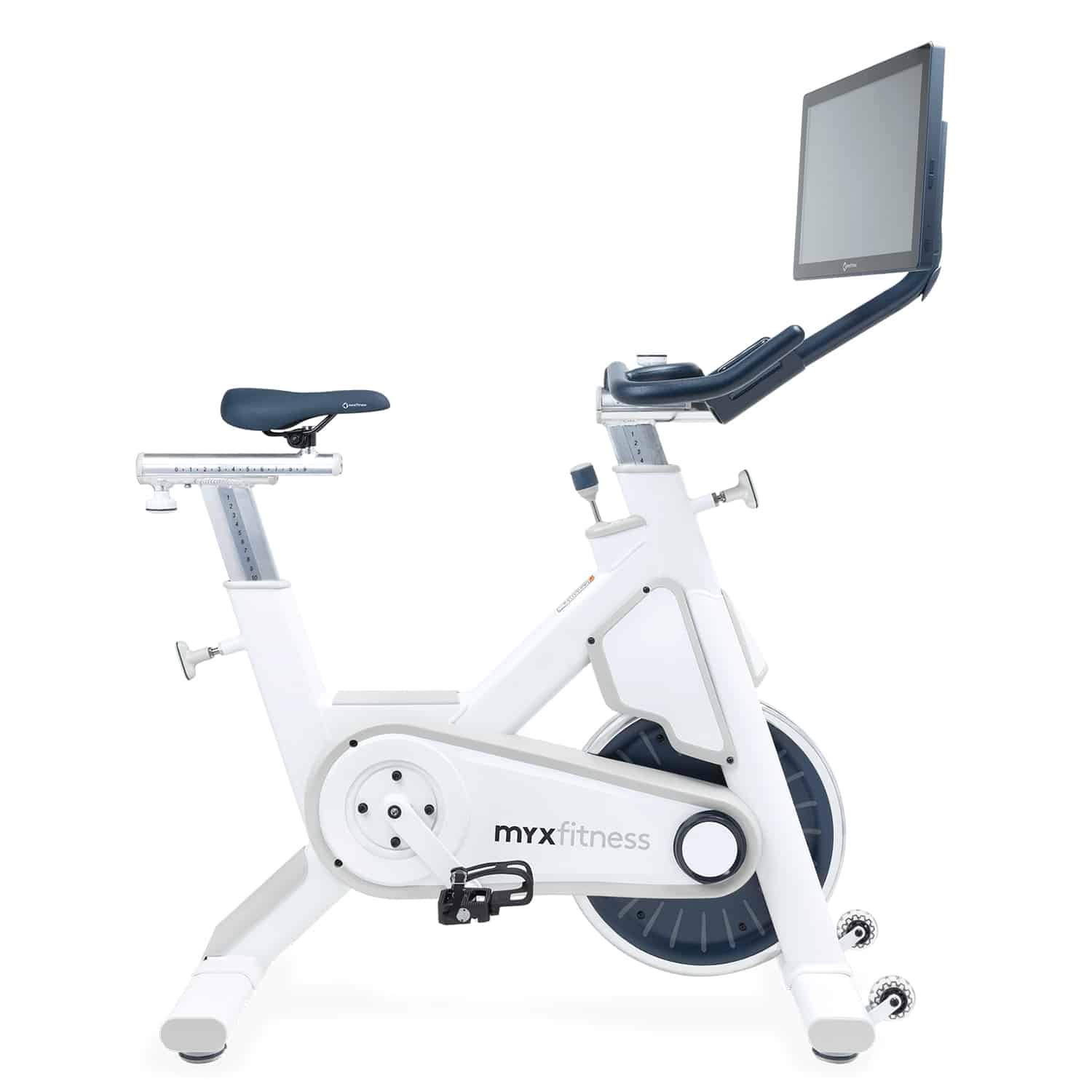
Say you’ve spent the past year tracking your food with a free fitness tracker app, cutting back on alcohol and refined carbs, joining a gym, and chasing those orange and red heart-rate zones. The weight came off fast at first, but now it’s tapered off — just 12 pounds in an entire year. One pound a month. What’s actually going on, and is your fitness tracker part of the problem?
Why Your Fitness Tracker Might Be Misleading You
If your tracker says you’re burning 600-1,000 calories per session, three to four times a week, that adds up to roughly 2,400-4,000 calories burned through exercise weekly — enough that, in theory, you should be losing well more than a pound a month. Something isn’t adding up, and “muscle weighs more than fat” can only explain so much.
Here’s the uncomfortable truth: your fitness tracker isn’t nearly as accurate as it feels. A study of seven different fitness trackers published in the Journal of Personalized Medicine found six of the seven measured heart rate within a 5% error margin — the Apple Watch came in under 2% — but when it came to calorie burn specifically, even the best-performing tracker was off by 25%. One tracker was off by nearly 93%. In other words, that calorie number on your wrist might need to be cut by a third or more.
1. Incorrect Calorie Counts Can Lead to Overeating
If you’re basing your food intake on an inflated calorie-burn estimate, you may be eating more than you realize — quietly undermining your progress. Weight loss ultimately comes down to burning more calories than you consume, and your basal metabolic rate (BMR) — the calories your body needs at rest — is central to that math. If your BMR is 1,500 and you burn 600 through exercise, eating around 2,100 calories maintains your current weight; dropping 250-500 calories below that supports steady, sustainable loss. Just remember that staying in a deficit indefinitely eventually stalls progress.
2. Fitness Trackers Can Encourage Cutting Too Many Calories
On the flip side, pairing a calorie-tracking app with your fitness tracker can drive rapid initial weight loss — but that quick drop is often water weight and depleted glycogen stores, not fat. Sustainable progress requires steadily increasing your workout volume or intensity over time. As your body adapts to a given workload, weight loss naturally plateaus — a signal to change your approach, not something your tracker will ever tell you. Watch for your body’s own signals instead: hunger, digestive changes, lightheadedness, and fatigue are all cues worth listening to.
3. Chasing Tracker Numbers Can Lead to Overtraining Syndrome
Overtraining Syndrome (OTS) has become increasingly common among gym-goers chasing maximum calorie burn through frequent high-intensity interval training. The pursuit of hitting 1,000 calories burned in 45 minutes has pushed some people to train through fatigue and sacrifice proper form, a pattern researchers have linked to a rise in hip injuries and rhabdomyolysis, particularly among younger exercisers, according to research in Muscle & Nerve. Once OTS sets in, fatigue becomes constant, recovery suffers, and performance actually declines — the opposite of what the tracker’s numbers suggest you’re achieving.
4. Trackers Don’t Account for General Adaptation Syndrome
General Adaptation Syndrome (GAS) describes how your body responds to exercise stress in three stages: alarm, resistance, and exhaustion. In the alarm stage, your body reacts to new stress by increasing blood and oxygen flow and recruiting muscle groups — no tracker measures this. In the resistance stage, your body adapts and your heart rate may not climb into the “brag-worthy” red zone anymore, not because you’re working less hard, but because your cardiovascular system has genuinely strengthened. Ignoring this and continuing to chase the same numbers can push you into exhaustion — marked by stress fractures, muscle strain, prolonged fatigue, and burnout.
Listening to Your Body Instead of the Numbers
None of this means fitness trackers are useless — heart rate monitoring, in particular, tends to be fairly reliable. But treating the calorie-burn number as gospel, or using it to justify eating more or pushing harder indefinitely, can quietly work against your goals. If you hit a plateau, that’s your body signaling it’s time for a change in approach — more rest, a shift in training intensity, or a fresh look at your nutrition — regardless of what the screen on your wrist says.
Explore more Exercise Equipment reviews and guides on our site.