Weight-Loss Belts | Do Weight-Loss Belts Really Work?
Weight-loss belts promise a simple fix: wrap one around your midsection, exercise for about 15 minutes, and wait for results. But do they actually deliver, or is it mostly marketing? Here’s a closer look at what the research says. Table of content What Are Belts? What Are Belts Made Of? Do Belts Actually Work? Who […]

Weight-loss belts promise a simple fix: wrap one around your midsection, exercise for about 15 minutes, and wait for results. But do they actually deliver, or is it mostly marketing? Here’s a closer look at what the research says.
What Are Weight-Loss Belts?
(Weight loss belts, also known as weight-loss belts, are covered throughout this guide.)
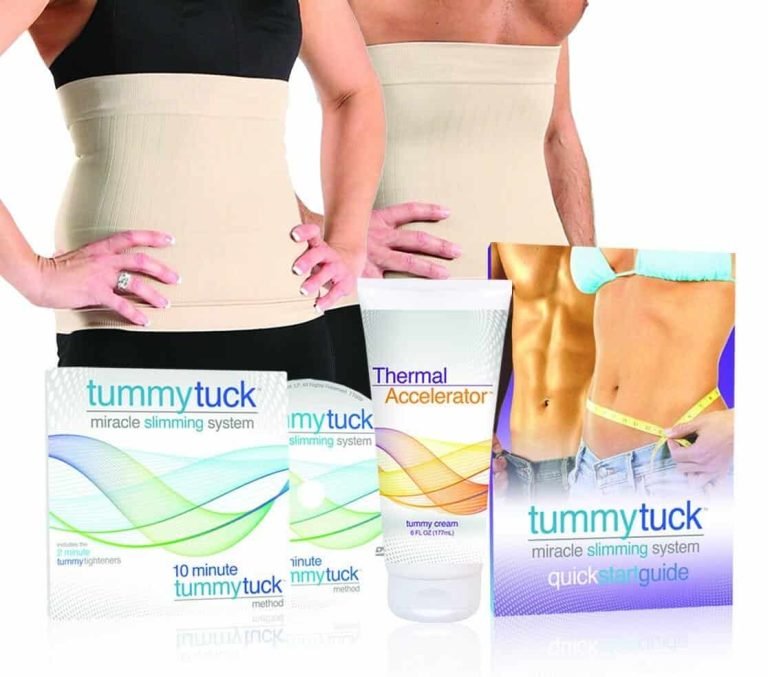
Weight-loss belts, also called slimming belts, are worn around the lower abdomen and back. The basic idea is straightforward: wearing the belt increases sweating, which theoretically burns additional calories and helps tone the abs. Some versions add electrical vibration or a mild electrical charge on top of the compression. Sizing and recommended wear time vary by brand, but most manufacturers agree the belts work best paired with actual exercise and healthy eating, not used alone.
What Are Weight-Loss Belts Made Of?
Most rely on neoprene, a synthetic rubber also used in swimwear, prized for its elasticity and compression under pressure. Nylon and spandex often round out the material blend.
Do Weight-Loss Belts Actually Work?
Most weight-loss belts promote calorie burning, muscle toning, and weight loss primarily through increased sweating, with or without a vibration feature. Per ABC News, sweating more means losing water weight — not the same thing as fat loss, and results vary considerably by individual.
What About Electric Muscle Stimulation (EMS)?
Research from NCBI shows implanted gastric pacing EMS can genuinely support weight loss by stimulating stomach muscles and nerves to create a feeling of fullness. However, the EMS technology used in most consumer weight-loss belts can’t replicate that internal stimulation. Separate research in NCBI concluded that most EMS-based slimming belts show no meaningful effect on weight or fat reduction, despite marketing claims. That said, users have reported short-term improvements in abdominal firmness and tone, likely tied to increased core temperature and modest muscle engagement.
Who Can Use a Weight-Loss Belt?
Anyone considering a slimming belt should check with a doctor first, particularly given the real risks discussed below. As with most weight-loss tools, results tend to be far better for those who combine the belt with genuine diet and exercise changes rather than a sedentary lifestyle.
Weight-Loss Belt Side Effects
Skin irritation: extended wear combined with heat and sweat can cause redness and irritation, per Corset Center.
Dehydration: excessive sweating without adequate fluid replacement can lead to dehydration, per eMedicineHealth — watch for dry mouth, sleepiness, low urine volume, headache, dry skin, and dizziness.
Internal issues: per USA Today, extended, overly tight use has been linked in rare cases to squashed rib cages, displaced organs, heartburn, indigestion, and even fainting from restricted breathing.
Other Real Benefits of Weight-Loss Belts
Beyond potential water weight loss, users may notice increased blood flow, lower back support, and improved posture while wearing the belt.
Types of Weight-Loss Belts
Weight-loss belts, slimming belts, and fat-burning belts function similarly — all generate heat and sweat around the midsection. Vibrating belts use EMS to mimic muscle contractions similar to crunches. Electric belts, like the Flex Belt, use electronic pulses and have some genuine clinical backing for improved core strength, though the stimulation level can feel uncomfortable for some users. Sauna belts work purely through heat and compression, with no electrical component.
The Bottom Line on Weight-Loss Belts
Weight-loss belts can offer a low-effort way to increase sweating and provide some core support, but they won’t meaningfully reduce fat around the midsection on their own. Used as one small piece of a broader plan that includes real diet changes and consistent exercise, a weight-loss belt can be a reasonable supporting tool — just don’t expect it to do the heavy lifting by itself.
Explore more Exercise Equipment reviews and guides on our site.