
Danish Diet Review: 3 Critical Facts About This 13-Day Plan
The Danish Diet promises 22 pounds lost in just 13 days on roughly 600 calories a day — a number so low that most nutritionists would call it a starvation protocol, not a diet plan. This Danish Diet review checked what that extreme restriction actually costs the body. Table of content How We Researched This […]

The Danish Diet promises 22 pounds lost in just 13 days on roughly 600 calories a day — a number so low that most nutritionists would call it a starvation protocol, not a diet plan. This Danish Diet review checked what that extreme restriction actually costs the body.
How We Researched This Danish Diet Review
This Danish Diet review checked the published research on rapid versus gradual weight loss, the nutritional gaps in extremely low-calorie eating plans, and real accounts of what happens once the 13 days end.
Danish Diet Review: What Is It?
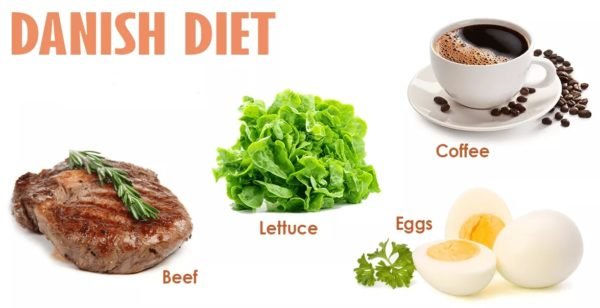
Also known as the Copenhagen Hospital Diet or Royal Danish Hospital Diet, this plan originated in Denmark decades ago as a way to rapidly slim obese patients before surgery — not as a general-purpose weight-loss program. The 13-day menu revolves around lean meat, eggs, coffee, and lettuce or spinach, with roughly 600 calories per day and strict rules (no chewing gum, no deviation from the list).
What the Research on Rapid Weight Loss Shows
- Nutrients: diets like this one are often lacking in iodine and vitamin D, making them poor choices for anything beyond very short-term use.
- Journal of Proteome Research: compared against the New Nordic Diet, this style of eating plan showed weaker long-term weight-loss effects.
- The British Journal of Nutrition: gradual weight loss tends to hold up better long-term than rapid weight-loss methods — a direct contradiction of this plan’s entire premise.
Is 600 Calories a Day Safe?
Notably, 600 calories daily falls well short of what’s needed for essential vitamins, minerals, and protein, according to research in the Nutrition Journal and Cochrane Library. This isn’t technically a starvation diet — food is allowed — but the quantity is so restricted that the practical effects overlap significantly with genuine starvation.

Does the Danish Diet Work?
Yes, in the narrow sense that any severe calorie restriction produces rapid weight loss — before-and-after photos genuinely reflect real short-term results. What they don’t show is the week after, when most dieters regain the weight (and often more), since 13 days of near-starvation isn’t sustainable or repeatable without real health consequences.
Side Effects
Reported effects include lack of energy, stress, headaches, nervousness, nausea, muscle aches, nutrient deficiencies, and — in more serious cases — kidney, bowel, and liver problems, per research in Annual Review of Public Health and Clinical Nutrition ESPEN.

Who Should Avoid the Danish Diet
Medical guidance is consistent here: no children, and no adults either, without a doctor’s direct supervision, per the Indian Journal of Medical Research. This plan was originally designed for pre-surgical obese patients under medical monitoring — not for casual home use.
How Danish Diet Compares
Extreme, medically-supervised very-low-calorie programs like Lipotrim and Optifast at least build in real clinical oversight and structured refeeding — something the Danish Diet’s self-directed version lacks entirely.
Who the Danish Diet Actually Makes Sense For
This fits essentially no one without direct medical supervision — even then, it should be reserved for genuine pre-surgical necessity, not general weight loss. It’s a poor fit for anyone hoping for sustainable results, anyone without medical oversight, or anyone planning to exercise during the 13 days, since the calorie deficit leaves little energy for physical activity.
Danish Diet Review: Frequently Asked Questions
Danish Diet Review: The Bottom Line
The Danish Diet reliably produces fast short-term weight loss because it’s built on severe calorie restriction, but the nutritional gaps, documented side effects, and near-universal weight regain make it a poor general-purpose choice. This Danish Diet review found a historically interesting but genuinely risky approach best left to its original medical context.