Almased Review: 3 Real Facts About This Shake
Almased markets itself as a “weight loss phenomenon” meal-replacement powder — but a third of its calories come from honey, and despite claims of “over fifteen years of scientific research,” there’s no published clinical study on the finished formula itself. This Almased review checked what’s actually backing the marketing. Table of content How We Researched […]


Almased markets itself as a “weight loss phenomenon” meal-replacement powder — but a third of its calories come from honey, and despite claims of “over fifteen years of scientific research,” there’s no published clinical study on the finished formula itself. This Almased review checked what’s actually backing the marketing.
How We Researched This Almased Review
This Almased review checked the research on meal replacements as a weight-loss category generally, the individual ingredient science behind soy protein, skim milk yogurt, and honey enzymes, and the company’s regulatory and legal history.
Almased Review: What Is It?
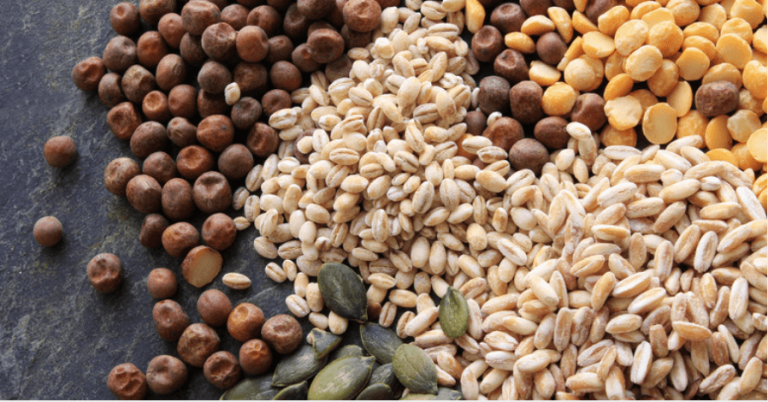
Created in 1980s Germany by non-medical practitioner Hubertus Trouille, Almased is a family-owned meal-replacement powder built on three core ingredients — soy protein isolate, skim milk yogurt powder, and honey enzymes — delivering 180 calories and 27g protein per 50g serving.
Does the Research Support Meal Replacements Generally?
- Obesity Reviews: meal-replacement programs led to greater weight loss at one year than comparator programs — a genuinely positive category-wide finding.
- Nutrients: replacing one or two meals daily was equally effective for weight and fat mass reduction.
- Asian Pacific Journal of Tropical Biomedicine: honey does carry real antibacterial and medicinal properties — though that’s a different claim than “supports weight loss” specifically.
Notably, none of this research is specific to Almased’s exact formula — it supports meal replacement as a category, not this particular product’s marketing claims about 15 years of dedicated research.

The Honey Question
Almased advertises “no added sugars,” but roughly a third of its calories come from honey — which is nutritionally still sugar, just from a different source. This is a real disconnect between the marketing framing and the nutrition label worth knowing before you buy.
Taste: The Most Common Complaint
Across customer reviews, taste is the single most consistent negative — a genuinely neutral-to-unpleasant flavor that limits how easily people stick with the daily shake routine long-term, regardless of the ingredient science.
Legal and Regulatory History
In March 2016, California’s Environmental Research Center issued Almased a Notice of Violation for lead content. The company has also faced a 2020 website-accessibility lawsuit and a separate 2021 civil rights lawsuit — none directly about product efficacy, but worth knowing as part of the full picture.
How Almased Compares
Our SlimFast review covers a more affordable alternative with less protein (20g) but dramatically less sugar (1g vs. Almased’s honey-driven content). Our Isagenix review covers another MLM-adjacent meal-replacement option with slightly less protein and more sugar than Almased.
Side Effects
The soy protein and skim milk powder combination has been known to cause stomach discomfort and digestive issues in some users — worth watching for during the first few days of use.
Almased Review: Frequently Asked Questions
Almased Review: The Bottom Line
Meal replacements as a category have genuine research support, and Almased’s protein content (27g/serving) is competitive. The honey-as-sugar framing is a real marketing disconnect, taste is a consistent complaint, and there’s no clinical trial on the finished formula itself despite the “15 years of research” claim. This Almased review found a reasonable meal-replacement option nutritionally, oversold on the specifics.