
Optifast Review: 3 Real Facts Backed by Clinical Trial Data
Optifast stands out in this category for a simple reason: it has an actual 52-week randomized controlled trial behind it, not just internal marketing claims. This Optifast review looks at what that trial found, the medically-supervised structure, and what it actually costs. Table of content How We Researched This Optifast Review Optifast Review: What Is […]

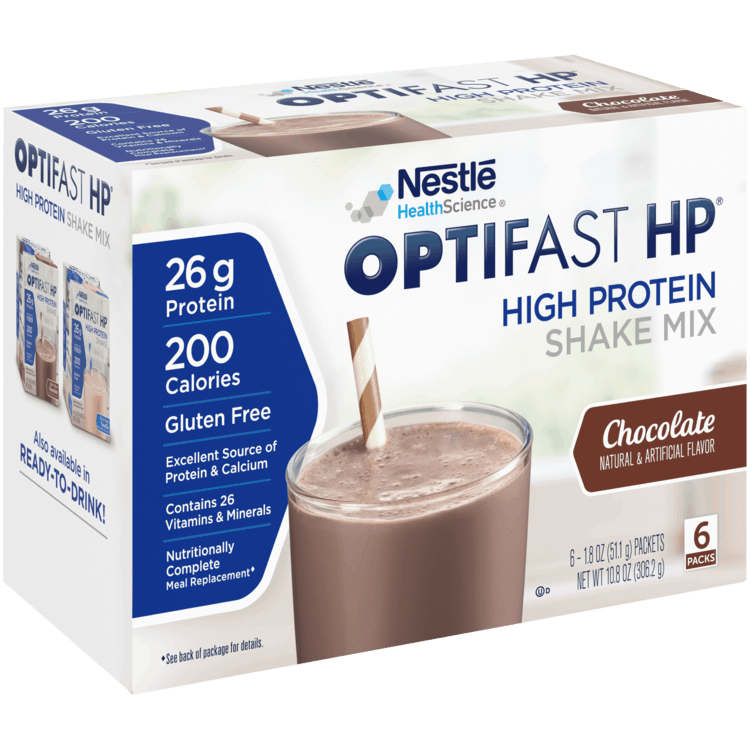
Optifast stands out in this category for a simple reason: it has an actual 52-week randomized controlled trial behind it, not just internal marketing claims. This Optifast review looks at what that trial found, the medically-supervised structure, and what it actually costs.
How We Researched This Optifast Review
This Optifast review checked the published OPTIWIN clinical trial data, the research on very-low-calorie diets generally, and the actual pricing structure across Optifast’s medically-supervised phases.
Optifast Review: What Is It?
Developed over 40 years ago and now run by Nestlé Health Science, Optifast is a medically-supervised meal-replacement program built around three phases — Active Weight Loss (under 800 calories/day via shakes, soups, and bars), Transition (1000–1200 calories/day), and Maintenance — with weekly clinical monitoring and group behavioral sessions throughout.
What the Research on Very-Low-Calorie Diets Shows
- International Journal of Obesity: 1200 calories/day performs about as well as 800 calories/day for weight loss — worth knowing if the most restrictive phase feels unsustainable.
- International Journal of Clinical Practice: a 3-year outcome study found VLCD participants maintained weight loss long-term specifically when paired with group behavioral therapy — exactly the structure Optifast builds in.
- International Journal of Behavioral Medicine: VLCDs are effective for weight loss specifically when the person is healthy enough for a strict diet and has professional follow-up — both built into Optifast’s model.
The OPTIWIN Study: Real Clinical Data
This is what separates Optifast from most products in this category. The 52-week OPTIWIN trial randomized 135 participants to Optifast’s total meal-replacement plan and 137 to a food-based reduced-calorie diet, with both groups getting exercise and behavioral counseling. Result: the Optifast group lost roughly twice as much weight (−12.4% vs. −6.0%), with correspondingly greater reductions in fat mass and waist circumference. That’s an actual randomized comparison, not a single-arm internal study.

Side Effects
Reported effects are relatively mild given the calorie restriction involved: nausea, upset stomach, and irregular bowel movements. The medical supervision structure — regular check-ins with a physician, psychologist, and dietitian — is specifically designed to catch and manage these issues early.
Cost
This is a genuine investment: clinic sign-up runs $250 (12 weeks) to $500 (24 weeks), with weekly meal-replacement spending of $82–$181 depending on plan type, plus insurance-dependent medical visit costs estimated at $1,400–$4,000 for 3–6 months. Individual shake boxes run around $27–$30.

Who Optifast Actually Makes Sense For
This fits people with a BMI of 30+ who can commit real time to clinic visits and afford the program’s substantial cost, and who want genuine medical supervision through a very-low-calorie phase. It’s a poor fit for anyone without nearby clinic access, anyone unable to take time off for frequent appointments, or anyone unable to absorb the cost even with insurance covering medical visits.
Optifast Review: Frequently Asked Questions
Optifast Review: The Bottom Line
Optifast is one of the few programs in this entire category with an actual randomized controlled trial behind it, and the OPTIWIN results are genuinely impressive. The real barriers are practical: cost, clinic access, and the time commitment of frequent medical visits. This Optifast review found real, clinically-validated potential for people who can access and afford the full program.
Find more Meal Plan guides and resources on our site.