Thinking About Quitting Sugar: 13 Tips to Get You Started
Thinking about quitting sugar or cutting back significantly? It’s a genuinely smart move. Let’s explore the reasons why, then cover the practical knowledge needed to identify sugar wherever it hides — the foundation for building a genuinely sugar-conscious lifestyle. Table of content Added Sugar: Know Your Daily Limits Sugar Is in Almost Everything How Addictive […]

Thinking about quitting sugar or cutting back significantly? It’s a genuinely smart move. Let’s explore the reasons why, then cover the practical knowledge needed to identify sugar wherever it hides — the foundation for building a genuinely sugar-conscious lifestyle.
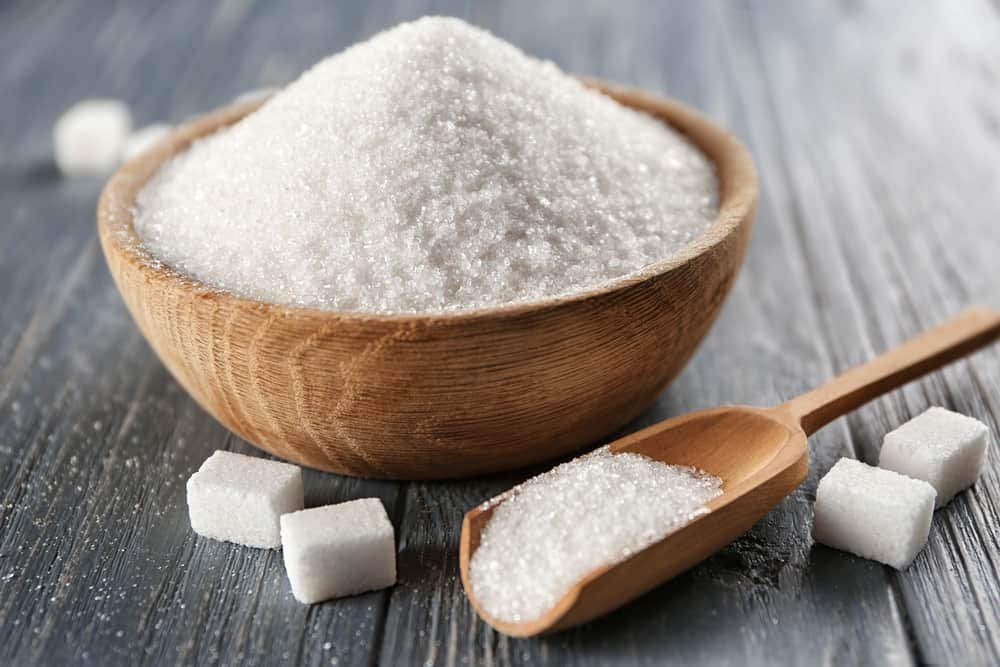
Thinking About Quitting Sugar: Added Sugar: Know Your Daily Limits
The American Heart Association reports the average American consumes 19 teaspoons of sugar daily — roughly 62 pounds yearly. The New Hampshire Department of Health and Human Services puts the figure even higher, at 42.5 teaspoons daily (about 152 pounds yearly). Either way, actual intake runs well above recommended levels.
The World Health Organization recommends capping sugar at 10% of daily calories, ideally 5% or less. Based on the Dietary Guidelines for Americans (roughly 2,500 calories for men, 2,000 for women under 50, 1,400 for women over 50), the American Heart Association translates this to about 9 teaspoons daily for men and 6 for women — meaning a single 12-ounce soda (8-11 teaspoons) can blow past your entire daily allowance. The CDC reports U.S. adults average 145 calories daily from sugary drinks alone.
Sugar Is in Almost Everything
Quitting sugar reveals just how many processed foods contain it — often in items that don’t taste obviously sweet. “Low-fat” or “lite” products frequently compensate for lost flavor with added sugar. Per USDA FoodData Central, some genuinely surprising sources include:
- Baked beans: about 5 teaspoons per cup
- Barbecue sauce: about 1 teaspoon per 2 tablespoons
- Canned soup: often hides sugar under names like barley malt, dextrose, or high fructose corn syrup
- Flavored coffeehouse coffee: up to 11 teaspoons per cup
- Granola: up to 7 teaspoons per half cup
- Ketchup: about 1 teaspoon per tablespoon
- Low-fat yogurt: up to 11 teaspoons per cup — more than a can of soda
- Protein bars: up to 5 teaspoons, similar to a candy bar
- Commercial smoothies: up to 13 teaspoons per 16-20oz serving
- Spaghetti sauce: up to 8.5 teaspoons per 24oz can
- Sports drinks: 9+ teaspoons per 20oz bottle
- Vitaminwater: nearly 8 teaspoons
Reading ingredient labels while shopping is genuinely eye-opening once you start.

How Addictive Is Sugar?
A review titled “Sugar addiction: is it real?” found sugar consumption in animal studies produced genuinely drug-like effects: bingeing, craving, cross-dependence, cross-sensitization, cross-tolerance, tolerance, and withdrawal. Sugar’s ability to trigger natural opioid release may partly explain this, and research in Current Opinion in Clinical Nutrition and Metabolic Care confirms sugar and sweetness genuinely trigger reward and craving responses comparable to addictive substances — potentially rooted in evolutionary pressure to seek calorie-dense food.
That said, not all researchers agree. A separate paper, “Sugar addiction: the state of the science,” argues human evidence remains inconclusive — suggesting the bingeing seen in lab rats may stem from intermittent access and hunger rather than genuine neurochemical addiction.
Regardless of the addiction debate, excessive sugar intake genuinely disrupts the brain’s relationship between eating and actual caloric need, contributing to cravings and compulsive eating patterns. Per Frontiers in Bioscience, excess sugar is linked to weight gain, inflammation, and metabolic syndrome — reducing sugar intake genuinely benefits overall health.
How to Read Nutrition Labels
Per the FDA, labels break down into four sections:
Serving Information
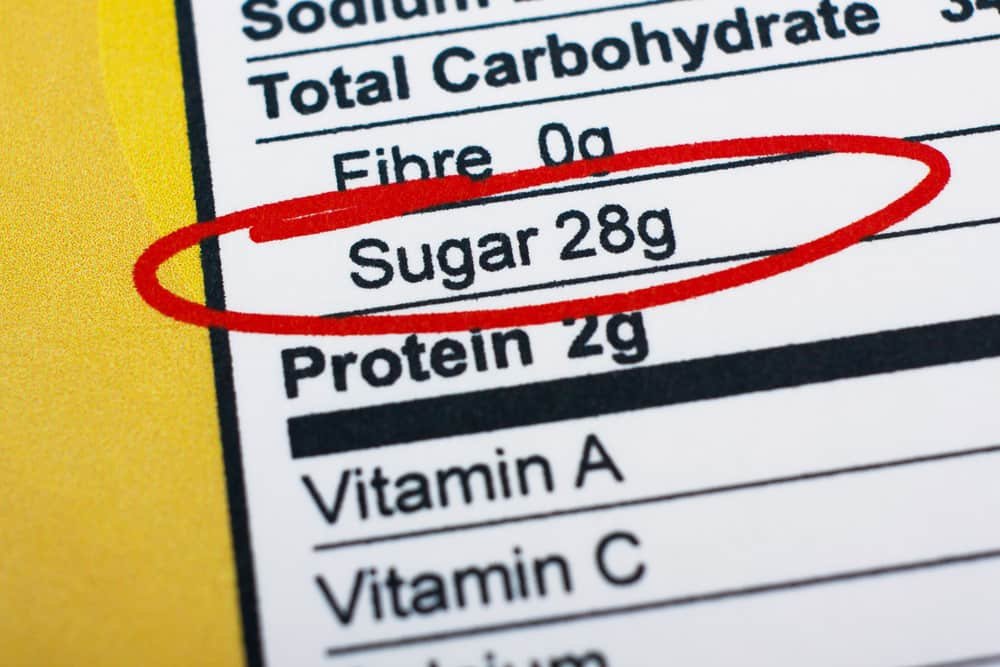
Shows servings per container and serving size — easy to misjudge. An 8-ounce bag of chips, for instance, typically contains 8 one-ounce servings; eating the whole bag means multiplying every number by 8 (960 calories, 16g fat, 184g carbs, 16g sugar from a single bag).
Calories
Listed prominently per serving — multiply by servings consumed. Daily needs vary by age, gender, height, weight, and activity level; the USDA’s MyPlate tool can help estimate your specific target.
Nutrients
Covers total fat, cholesterol, sodium, carbohydrates, and protein, plus vitamins and minerals. Pay close attention to total sugars versus added sugars, and total carbohydrates (which include naturally occurring and processed starches). Favor nutrients like fiber, calcium, iron, potassium, and vitamin D; minimize added sugar, saturated fat, and sodium.
% Daily Value
Based on a 2,000-calorie diet — 5% DV is considered low, 20% DV is high. Aim for lower % DV on added sugar, saturated fat, and sodium, and higher % DV on fiber, calcium, iron, potassium, and vitamin D. Comparing % DV across similar products (with equal serving sizes) helps cut through misleading marketing language like “low fat” or “lite.”
Decoding Sugar Marketing Terms
- Light/Lite: Often means added sugar compensates for reduced fat or nutrients.
- Low-Calorie: Only means one-third fewer calories than the same brand’s regular version — not necessarily lower than a competitor’s product.
- Low-Fat: Frequently means more added sugar for flavor.
- Low-Carb: Doesn’t guarantee genuine nutritional quality.
- Multi-Grain: Just means more than one grain — potentially still highly refined.
- “Made With” Whole Grains: Can mean a genuinely tiny amount of that ingredient.
- Natural: Largely meaningless — natural sources still contain natural sugars.
- Organic: Refers to farming methods, not sugar content — organic sugar is still sugar.
- No Added Sugar: May still contain high natural sugar or artificial sweeteners.
- Fortified/Enriched: Means something was added — check what, since it could include sugar.
- Gluten-Free: Unrelated to sugar content.
- Fruit-Flavored: May use artificial flavoring rather than real fruit.
How to Read Ingredient Lists
Skip the marketing claims and go straight to ingredients. Research in the Annals of the New York Academy of Science confirms health claims genuinely boost sales — all the more reason to verify independently. Ingredients are listed by quantity, highest to lowest, so a long ingredient list generally signals heavy processing. If sugar (in any form) appears in the top three ingredients, that’s a genuine red flag.
Sugar’s Many Names
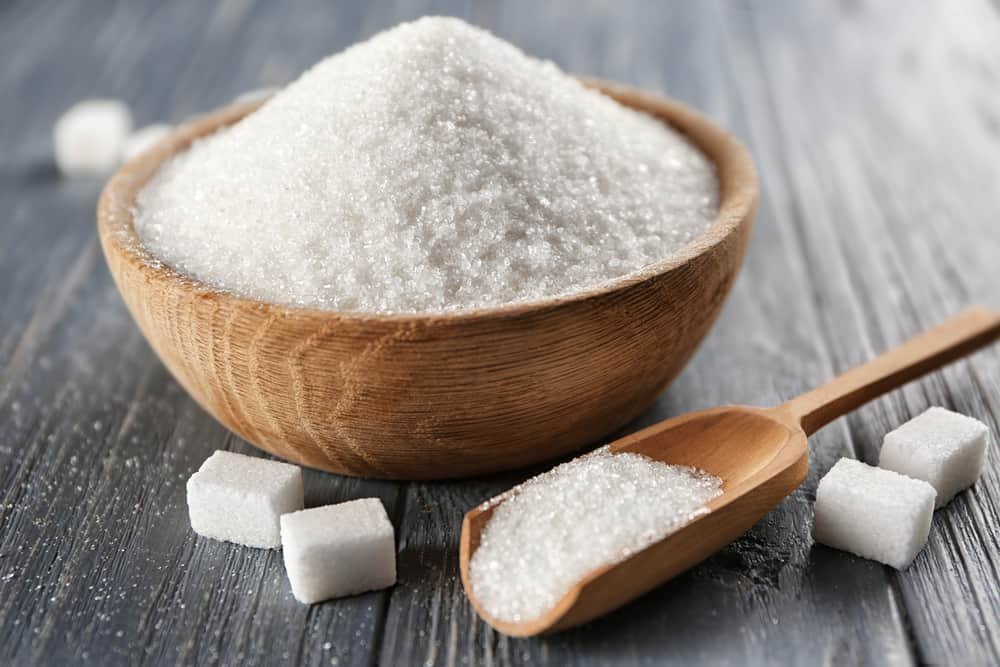
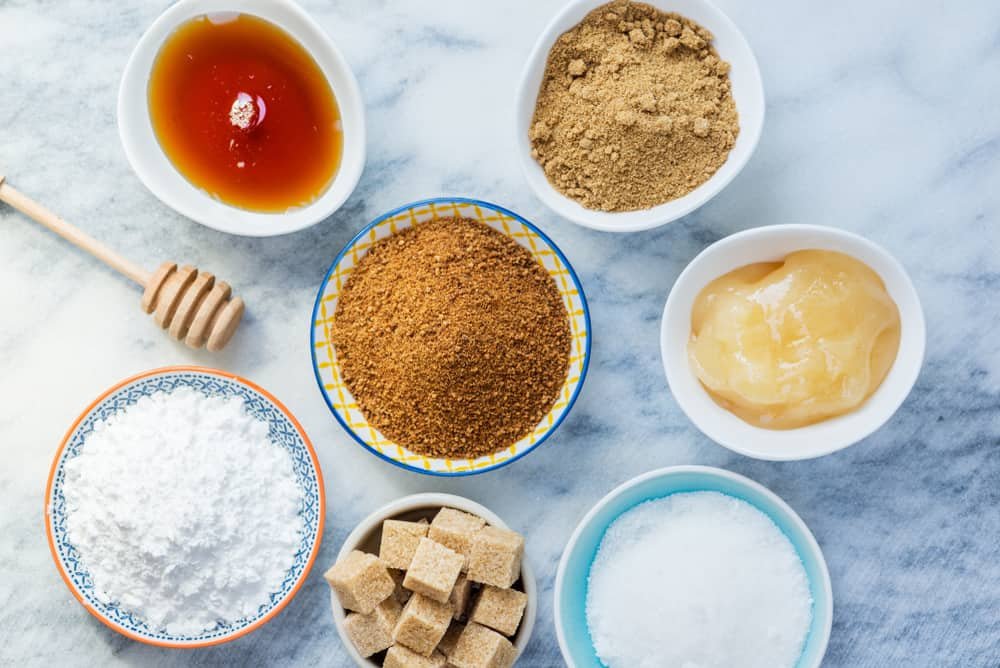
All sugar sources on a label combine into total sugar content — and manufacturers have genuinely dozens of ways to list it: sugar, maple syrup, molasses, cane syrup, honey, malt syrup, beet syrup, caster sugar, rapadura, maltose, muscovado, lactose, crystalline sugar, galactose, confectioner’s sugar, glucose, coconut sugar, fructose, maltodextrin, high-fructose corn syrup, date sugar, dextran, and many more. If a name looks unfamiliar, a quick search can confirm whether it’s sugar in disguise.
Understanding Sugar Types
Sugars fall into four molecular categories: oligosaccharides (short chains supporting cell function, like maltodextrin), monosaccharides (simplest form, like glucose and fructose), polysaccharides (long chains like starch), and disaccharides (two linked monosaccharides, like sucrose, lactose, and maltose).
Fructose and sucrose process differently in the body — fructose must be processed by the liver before entering the bloodstream and is less likely to cause tooth decay, while sucrose splits into glucose (immediately raising blood sugar) and fructose (processed by the liver). Regardless of form, unused excess sugar converts to stored fat — often concentrated as belly fat.
Artificial sweeteners — aspartame, sucralose, saccharin, acesulfame potassium, D-tagatose — each carry their own considerations and potential side effects, but can genuinely help some people reduce overall sugar intake.
Natural Sugar Alternatives

Honey: Still sugar, though its higher fructose content means a gentler blood sugar rise. Per the Journal of Agricultural and Food Chemistry, honey offers genuine antioxidant content (flavonoids, phenolic acids) and a perceived sweeter taste, meaning less is needed for the same effect. Locally sourced honey may ease seasonal allergies, though per the Journal of Applied Toxicology, some honey can carry toxins from certain flower sources — and honey should never be given to infants due to botulism risk.
Stevia: A genuinely zero-calorie, plant-based sweetener 200-400 times sweeter than sugar. Once banned in the U.S. over blood pressure concerns, it earned FDA “generally recognized as safe” status in 2008.
Sugar Detox
Cutting sugar abruptly after years of high intake can trigger genuine withdrawal-like symptoms — mood changes, headaches, fatigue, brain fog. Cravings are a normal part of the body resetting its metabolic balance.
Healthier Substitutes
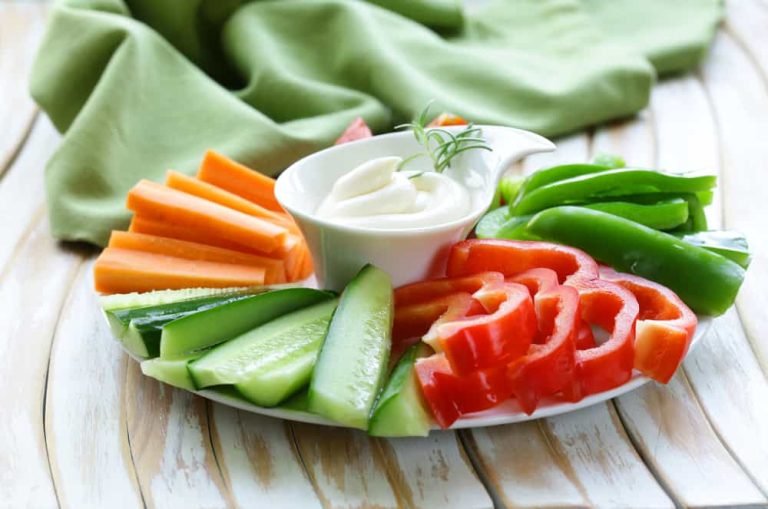
A gradual approach tends to work better for most people. Swap ice cream for naturally sweet, fiber-rich options like carrots when cravings hit, and favor whole fruit over juice — the fiber and less-concentrated natural sugars make a genuine difference.
Thriving Sugar-Free
Reducing sugar is a genuinely significant lifestyle shift requiring real motivation and patience. Gradual, sustained change tends to stick better than an abrupt overhaul — you’re not giving something up, you’re choosing better health.
Conclusion
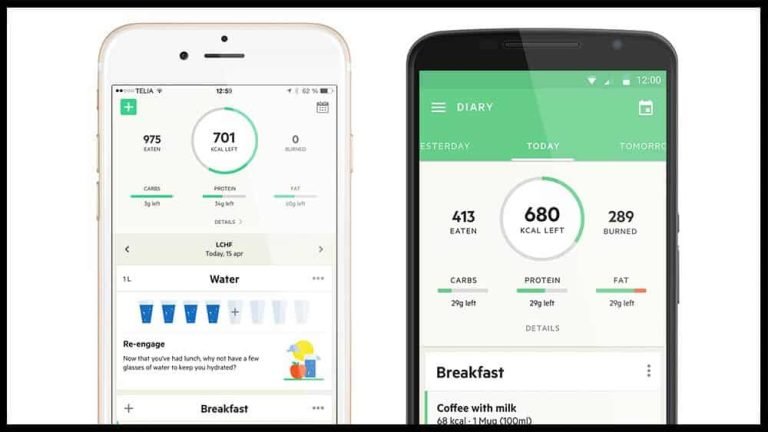
Most nutritionists agree Americans genuinely consume too much sugar, and cutting back meaningfully improves health. Keeping a food journal to track patterns and sugar intake can turn this into a genuinely useful self-experiment on the road to a healthier, more sugar-aware you.
Explore more Health Articles reviews and guides on our site.
Overall, thinking about quitting sugar remains worth understanding before you decide.
Overall, thinking about quitting sugar remains worth understanding before you decide.