
Can Meditation Practices Help Weight Loss?
Taking care of overall health and wellness goes beyond diet and exercise — meditation practices have earned a real place in that picture too. Interest in meditation has surged over the past several years as more people discover its genuine benefits. With so many different meditation styles available, it’s worth thinking through your specific needs […]

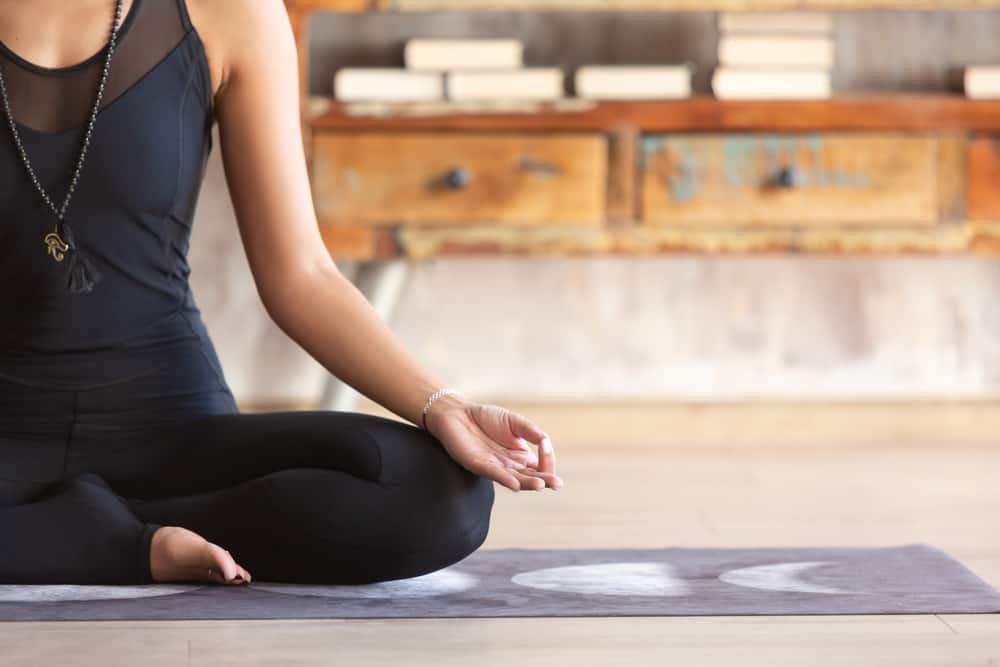
Taking care of overall health and wellness goes beyond diet and exercise — meditation practices have earned a real place in that picture too. Interest in meditation has surged over the past several years as more people discover its genuine benefits. With so many different meditation styles available, it’s worth thinking through your specific needs before choosing an approach. Getting started is fairly simple, and the benefits tend to show up faster than most people expect.
What Are Meditation Practices?
At its core, meditation aims to build self-awareness — observing your own thoughts and feelings objectively, without judgment. Regular practice helps people better understand their emotional reactions to specific situations, tracing negative feelings back to their root causes and channeling that energy more constructively. Like any skill, meditation takes consistent practice to develop — similar to strengthening a muscle you’ve never really trained before.
The History of Meditation
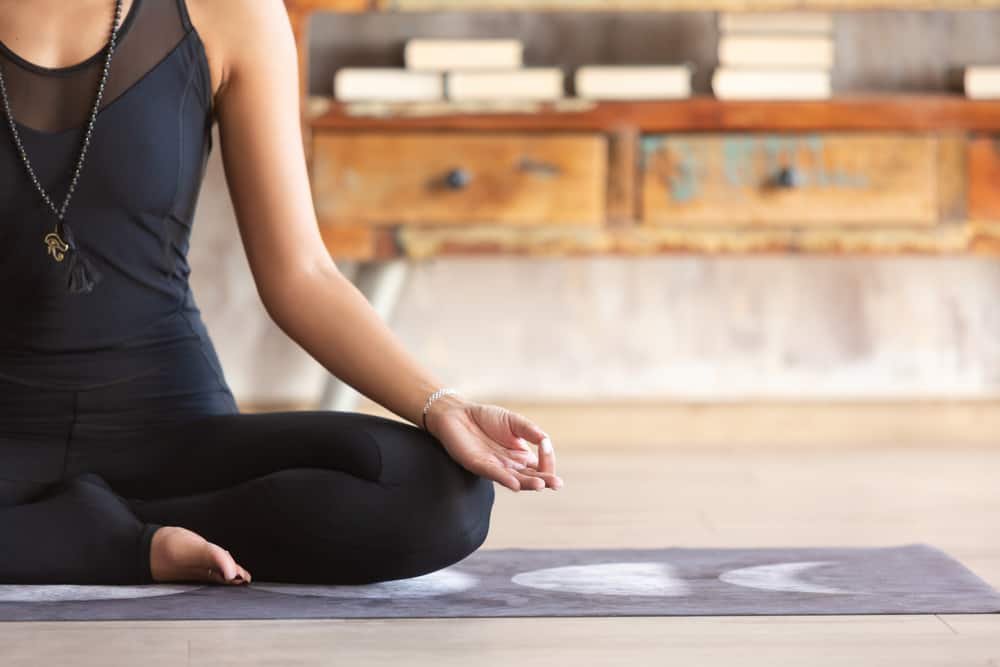
Meditation dates back thousands of years — artwork depicting the practice is roughly 5,000 years old, with written references dating to 1,500 BCE. It’s deeply tied to religious traditions including Buddhism, Hinduism, and Taoism, and while it originated in Eastern cultures, it has since spread globally. Modern researchers across disciplines now study meditation extensively, and many medical professionals recommend it for stress management, better sleep, and emotional regulation.
Types of Meditation
- Mindfulness: Rooted in Buddhist tradition, now widely taught in schools and workplaces to sharpen focus and manage stress.
- Self-Compassion: Helps people redirect harsh self-criticism toward genuine compassion and a more positive outlook.
- Healing: Uses breathing and focus techniques to draw on subconscious memory and emotion, supporting the healing process.
- Transcendental: A mantra-based practice developed by Maharishi Mahesh Yogi, aimed at promoting harmony and self-realization.
- Breathing Awareness: A foundational technique — relaxing each part of the body in turn with each breath.
- Focused Attention: Concentrating on a single object or sensation, like breathing, to train sustained focus.
- Sound (Nada Yoga): Using ambient music and vibration as the meditative anchor.
- Mantra: Repeating a word or phrase (like “Om”) to anchor the mind in the present moment.
- Chakra: Rooted in the concept of seven energy centers along the spine, aiming to keep them open and balanced.
- Loving Kindness (Metta): Builds empathy and compassion for oneself and others while easing negative rumination.
- Qigong: A Taoist-rooted Chinese practice combining movement, breathing, and meditation to restore life-force balance.
- Self-Inquiry: Centers on the question “Who am I?” to build deeper self-understanding.
- Spiritual: Focused on connecting with a higher power and clarifying life purpose.
- Movement: Uses gentle, low-impact motion instead of stillness to build mindfulness.
- Visualization: Concentrates on a specific desired outcome to focus energy productively toward a goal.
- Zen: A seated practice aimed at clarity and identifying sources of unhappiness.
- Vipassana (Insight): A Buddhist-rooted practice using breathing and body scans to clear negative thoughts.
- Yogic: Focuses on breath and thought patterns to calm a racing mind.
- Taoist (Emptiness): Clears the mind entirely to achieve full detachment and objectivity.
- Affirmations: Repeating positive statements to build confidence and self-esteem.
- Binaural Beats: Uses specific audio frequencies (via headphones) to induce meditative brainwave states.
- Body Scan: A passive relaxation technique moving attention through each body part in turn.
- Gazing (Sufi): A contemplative, prayer-based practice often using prayer beads and mantras.
- Third-Eye: Aims to sharpen intuition and sense of surrounding energy, often practiced with an experienced guide.
- Tantra: A partner-based practice building energetic connection, compassion, and harmony between couples.

Meditation’s Effects on Health Conditions
- Binge and emotional eating: A review of 14 studies found mindfulness meditation genuinely helps manage emotions and control binge eating, with strong supporting evidence across the research.
- Heart health: A meta-analysis of over 1,000 people found meditation reduces blood pressure, with a separate study confirming similar results — likely tied to meditation’s calming effect on nerve signals that trigger blood pressure spikes.
- Body image: Regular meditators report fewer negative thoughts when viewing negative imagery, and self-compassion meditation specifically has helped young women with body image distress.
- Sleep in overweight and obese individuals: One study found regular meditators stayed asleep longer and slept more restfully, likely due to reduced tension and a calmer mind at bedtime.
Meditation and Weight Loss
Weight loss is one of the top reasons people try meditation. CDC data shows 40-50% of Americans qualify as overweight or obese, with obesity rates climbing more than a third over the past two decades — a strong case for a well-rounded approach to weight management that goes beyond diet and exercise alone.
A comprehensive 2017 review of research on meditation and weight loss concluded mindfulness meditation is a genuinely effective tool for changing eating habits. Successful practice generally involves checking in on emotional balance and dietary habits, noticing what you’re doing when you reach for food, and being aware of how you feel in the moment.
Mindfulness meditation helps people approach food choices without judgment, replacing guilt and shame — a common driver of overeating — with a more constructive, self-aware perspective.
A separate study followed 53 participants in an obesity management program, split between those attending mindfulness meditation sessions and those who didn’t. The meditation group lost about 6 pounds more on average, and follow-up tracking showed they were also more successful at keeping the weight off.
Meditation isn’t a standalone solution, but for anyone struggling with traditional diet and exercise approaches, it offers a genuinely useful way to build awareness around how emotions drive food choices — a meaningful edge for sustainable weight loss.
Common Meditation Mistakes

- Focusing on what’s next: Instead of thinking about your post-meditation to-do list, refocus on why you’re meditating in the first place — stress relief, clarity, or better focus.
- Fighting your wandering mind: A wandering mind is normal — gently guide it back to your breath or mantra rather than forcing it to stop entirely.
- Meditating alone exclusively: Group sessions, much like group workouts, can help deepen the experience — a local studio is worth exploring.
- Inconsistency: Treat meditation like exercise for the mind — regular practice delivers far greater benefit than occasional sessions.
Why Meditate Regularly?
- Stress management: A few minutes of it helps counter the demands of an increasingly always-on world.
- Emotional balance: it doesn’t eliminate negative thoughts, but it helps you understand and respond to them more thoughtfully rather than reactively.
- Sleep quality: Releasing tension through regular practice makes falling — and staying — asleep considerably easier.
How to Get Started With Meditation
There’s no single right way to begin — just start, and refine your approach over time, potentially with classes or an instructor as you go. For beginners:
- Sit or lie in a comfortable position (a it cushion or chair can help).
- Close your eyes and try to quiet your mind.
- Breathe naturally, without forcing a pattern.
- Notice how your body moves with each inhale and exhale.
- Work through each body part from head to toe, telling each to relax — repeating the cycle as needed.
Start with just a few minutes and build up gradually, staying mindful of your surroundings and thoughts as you go. As you grow more comfortable, experiment with different styles to find what genuinely works best for you.
Tips to Improve Your Meditation Practice
- Choose a quiet, distraction-free location.
- Experiment with different times of day, since focus and energy can shift throughout the day.
- Eat a balanced, nutritious diet to fuel focus and mental clarity.
- Consider aromatherapy, like incense, if it helps you settle in.
Bottom Line
Like any skill, it takes consistent practice to master — but the payoff spans stress relief, emotional balance, better sleep, and even meaningful support for weight management. Regular practice, paired with a willingness to experiment across different styles, is the surest path to unlocking its full range of benefits.
Explore more Exercise reviews and guides on our site.