Healthy Fats Vs. Unhealthy Fats: Choose the Best Fats
Scientific research on dietary fats is genuinely complex, and findings don’t always translate cleanly into simple, standardized nutritional advice — which helps explain the dizzying, often contradictory guidance floating around about healthy fat intake. Table of content Categories of Dietary Fats How Fat Became So Misunderstood Healthy Fats Unhealthy Fats What Does Cholesterol Have to […]

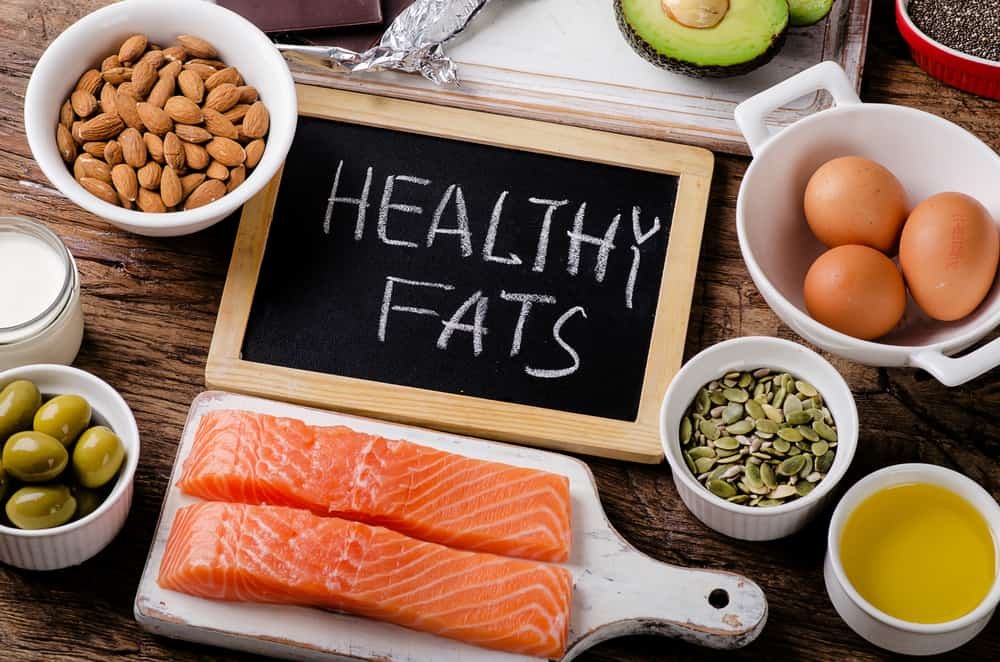
Scientific research on dietary fats is genuinely complex, and findings don’t always translate cleanly into simple, standardized nutritional advice — which helps explain the dizzying, often contradictory guidance floating around about healthy fat intake.
Essential dietary fats support heart health, but confusion persists over which fats are actually healthy. Many popular resources treat all dietary fat as functionally identical, when in reality there’s a much broader spectrum of fat types with meaningfully different effects on the body. Here, we’ll unpack the research to separate the healthy fats from the unhealthy ones.
Categories of Dietary Fats
Fats are more accurately described as “fatty acids.” Each type belongs to one of several categories based on its atomic structure — specifically the length of its carbon chain, the presence of carbon double bonds, and how many hydrogen atoms are attached. Chain lengths range from short (under 6 carbons) to very long (22-plus carbons), and the degree of hydrogen saturation is what separates saturated fats from unsaturated ones. These small structural differences drive surprisingly large differences in how each fat affects the body.
How Fat Became So Misunderstood
Fat has always been recognized as an essential, calorie-dense energy source. Confusion set in during the 1950s, when early research distinguishing saturated from unsaturated fats got oversimplified by media coverage into a blanket rule: all saturated fat is bad, and everyone should eat low-fat. Decades of follow-up research have since clarified that not all fats — saturated or otherwise — behave the same way in the body.
Healthy Fats
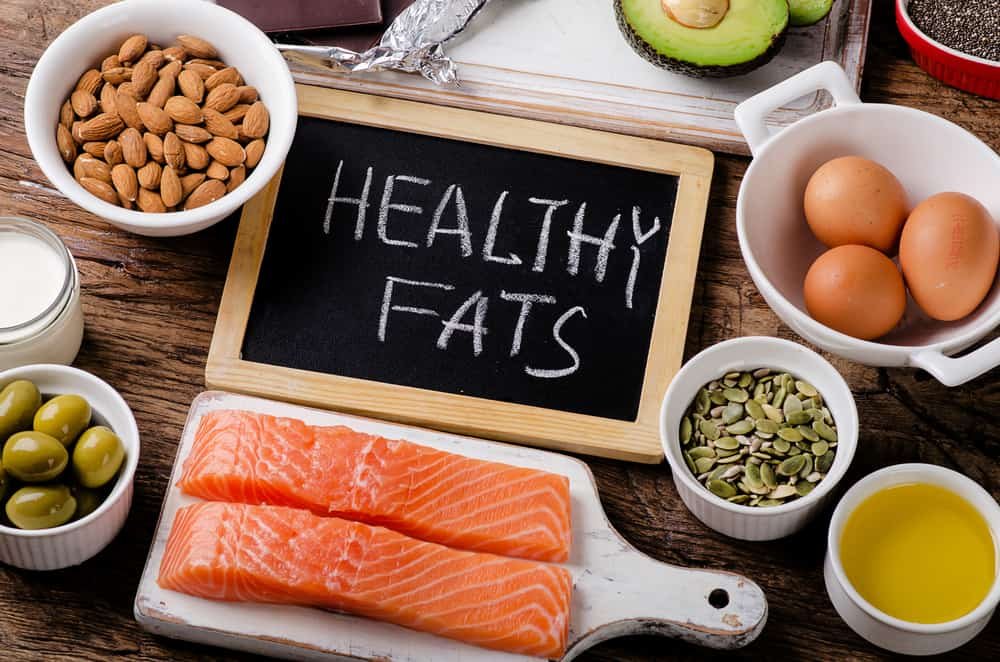
Unsaturated fats carry fewer hydrogen atoms along their carbon chain than saturated fats — hence the name. They also contain double carbon bonds that influence how the body stores and uses them for energy, and they’re widely considered heart-healthy, though some types offer more benefit than others. Common sources include vegetables, nuts, seeds, and fish.
Monounsaturated Fats
Monounsaturated fatty acids (MUFA) have just one carbon double bond, keeping them liquid at room temperature. A large study tracking 840,000 adults found those consuming the most MUFA had a 12% lower risk of heart-related mortality compared to those eating the least — with the strongest benefits tied to olive oil and oleic acid specifically. The famous Seven Countries Study from the 1960s found Mediterranean populations had notably low rates of heart disease despite high-fat diets — a pattern traced to their olive oil consumption, and one that still drives interest in Mediterranean eating patterns today. There’s no official daily target for MUFA, but replacing saturated and trans fats with MUFA and PUFA whenever possible is generally recommended.
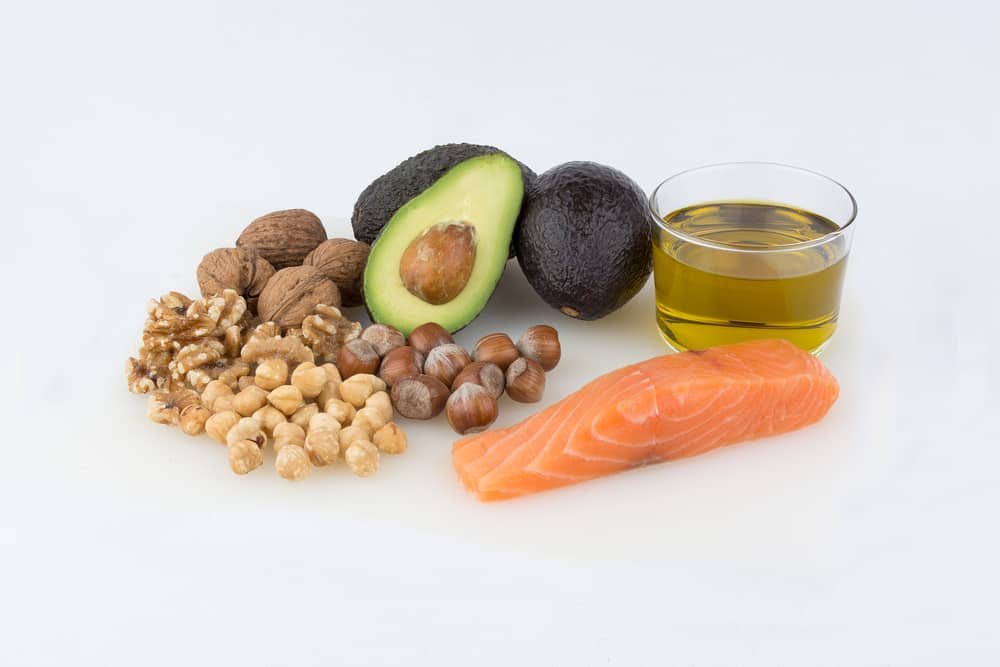
Foods high in monounsaturated fat: olive, peanut, canola, and corn oil; high-oleic sunflower and safflower oils; almonds, pecans, cashews, peanuts, hazelnuts, pistachios; almond and peanut butter; avocados.
Polyunsaturated Fats
Polyunsaturated fats (PUFA) contain two or more double bonds and are essential for building cell membranes and nerve coverings, enabling muscle movement, blood clotting, and protective inflammation. Research suggests PUFA may be even more heart-protective than MUFA — one study found replacing saturated fat with PUFA meaningfully lowered heart disease risk, and evidence shows both PUFA and MUFA can help reduce LDL cholesterol and triglycerides. The two primary PUFA types are omega-3 and omega-6 fatty acids.
Foods high in polyunsaturated fat: corn, olive, canola, seed, peanut, sunflower, and safflower oils; seeds, tree nuts, fish, and other plant sources.
Omega-3 Fatty Acids
Omega-3s include three main types: EPA, DHA, and ALA. Research credits omega-3s with helping reduce blood pressure, raise HDL (“good”) cholesterol, lower triglycerides, improve blood vessel flexibility, reduce excessive clotting, and ease inflammatory joint conditions — with some evidence suggesting a protective effect against excess weight gain. Fish-sourced omega-3 is also linked to a reduced risk of sudden cardiovascular events, though some individual study findings have been flagged as flawed by federal reviewers.
Foods high in omega-3: fatty fish (sardines, herring, salmon, trout, cod, catfish, albacore tuna, mackerel), walnuts, flaxseed, soybean oil, cod liver oil, broccoli, leafy greens, and chia seeds. Note: fish consumption should stay within 2-3 servings weekly given mercury concerns in certain species.
Omega-6 Fatty Acids
Common omega-6 types are generally associated with reduced heart disease risk, though at least one — linoleic acid — has been linked to increased weight-gain risk in a 2017 study. Research also shows replacing saturated fat with omega-6 sources can meaningfully lower cardiovascular risk.
Foods high in omega-6: corn, soybean, sesame, avocado, sunflower, and safflower oil; trans-fat-free margarine; sunflower, sesame, pumpkin, and hemp seeds; soy nut butter, tofu, peanut butter, almonds, walnuts, cashews, and eggs.
Unhealthy Fats

Two main types fall into the unhealthy category: saturated fat and industrially produced trans fat (naturally occurring trans fat isn’t linked to the same harm). Both can raise LDL cholesterol, and trans fat additionally lowers HDL, while both may stiffen blood vessel linings over time.
Saturated Fats
Saturated fats — mostly from animal products — raise both HDL and LDL cholesterol, and elevated LDL is linked to increased cardiovascular risk, which is why most experts recommend keeping saturated fat under 10% of daily calories. That said, real debate exists over whether all saturated fats deserve the same reputation. Several research-backed nuances complicate the picture: chain length affects how the body processes a given fat; odd- versus even-numbered carbon chains behave differently; a meaningful share of “saturated fat” consumption in the American diet actually comes from junk food and desserts rather than whole foods; dairy-sourced saturated fat appears to have minimal heart-health impact; and food source matters more than fat type alone — avocado, for instance, contains as much saturated fat as three bacon slices, yet avocado consumption is linked to lower LDL, while bacon raises it. Large studies like the Nurses’ Health Study and Health Professionals Follow-up Study also found no clear link between overall fat intake percentage and adverse health outcomes.
The current consensus: not all saturated fats are equally unhealthy, but foods high in saturated fat should still generally be limited.
Foods high in saturated fat: fatty cuts of beef, pork, lamb, and poultry (especially skin and dark meat); butter, cheese, cream, whole milk, ice cream, and other full-fat dairy; lard, shortening, stick margarine; and coconut, palm, and palm kernel oil.
Trans Fat
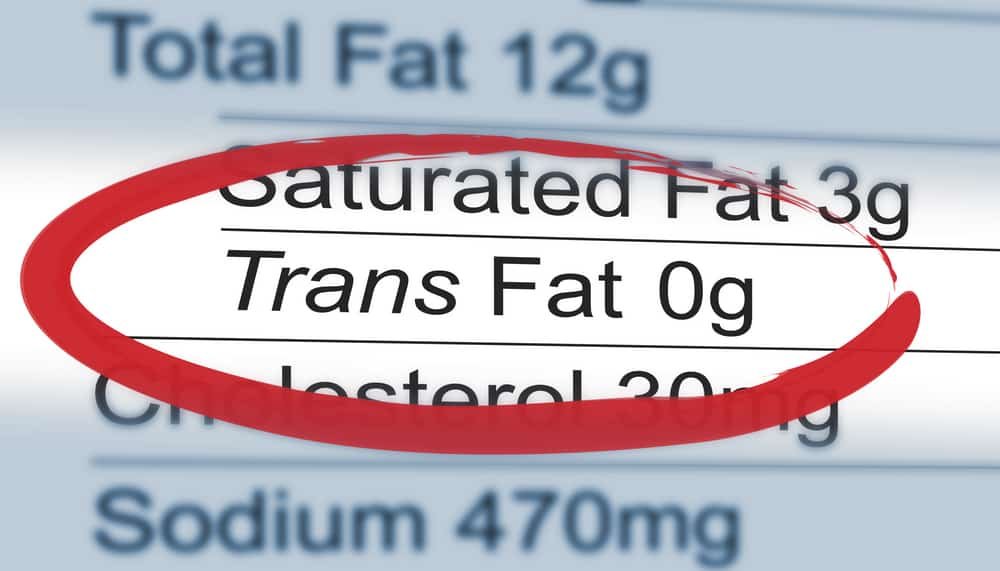
Small amounts of natural trans fat occur in meat and dairy without apparent harm, but artificial trans fat — manufactured via partial hydrogenation to mimic saturated fat — carries no known benefits and is widely considered the unhealthiest fat type in the diet. It raises LDL and triglycerides while lowering HDL, and the Institute of Medicine has determined it’s unsafe at any consumption level.
Foods high in trans fat: vegetable shortening, stick margarine, cookies, pies, cakes, frosting, frozen pizza, microwave popcorn, doughnuts, fried chicken, nondairy creamer, French fries, and many fast food and packaged snack items.
What Does Cholesterol Have to Do With Fats?
Cholesterol itself isn’t a fat — it’s a wax-like substance the liver produces for hormone and cell membrane development, and the body regulates its own production based on dietary intake. High blood cholesterol is linked to arterial plaque buildup, but for most people, dietary cholesterol has a relatively small effect on blood cholesterol levels — though roughly 25% of people show above-average sensitivity to it. The current consensus prioritizes fat type over cholesterol quantity for most people.
Foods high in cholesterol: red meat, poultry, organ meats, butter, fish and shellfish, cheese, egg yolks, and dairy products.
Dietary Fat Needs Based on Body Type
Individual body type also factors into fat needs. Three broad classifications describe how efficiently a body processes food:
- Ectomorph — high metabolic rate, fast oxidizer; may need a higher-fat, higher-protein diet to maintain healthy weight.
- Mesomorph — normal metabolic rate, average oxidizer; generally maintains weight with balanced macronutrient intake.
- Endomorph — slower metabolic rate; may benefit from a diet higher in complex carbs and lower in fat to manage weight.
Determining your actual metabolic type isn’t as simple as eyeballing body composition — a physician or qualified professional should weigh in.
Recommendations for Managing Dietary Fats
Rather than pursuing a low-fat diet broadly, focus on which types of fat you’re eating. Prioritize unsaturated fats, limit saturated fat, and avoid trans fat entirely — even small amounts carry real risk. Watch for “reduced-fat” products, too, since manufacturers often replace fat with refined sugar or starch, which the body converts to blood sugar quickly and can drive its own weight-gain risk.
According to the National Institutes of Health, a balanced macronutrient breakdown looks roughly like: carbohydrates 45-65% of energy, protein 10-35%, and fat 20-35% (with saturated fat limited). The 2015-2020 Dietary Guidelines for Americans add several practical tips: avoid trans fat entirely, keep saturated fat under 10% of daily calories, favor unsaturated fats, cook with liquid oils rather than solid fats, eat fatty fish at least twice weekly, choose lean meats and trim visible fat, remove poultry skin before cooking, snack on naturally low-fat whole foods, avoid processed snacks, and check labels for “partially hydrogenated oils” even when trans fat is listed as zero grams.
Bottom Line
Fat is essential for energy production, cell and nerve membrane development, vitamin absorption, blood clotting, and muscle movement. Unsaturated fats generally support heart health, while saturated fat’s effects depend heavily on source and context, and industrial trans fat remains genuinely harmful even in small amounts. Current USDA/DHHS guidance has moved away from blanket low-fat recommendations, instead emphasizing balanced eating built around healthy fat sources. Understanding these distinctions — rather than fearing fat as a category — is the real key to making smarter dietary choices.
Explore more Diet Guide reviews and guides on our site.