Seed Probiotic Review
Through a patented capsule technology and proprietary probiotic formula, Seed’s DS-01 Daily Synbiotic claims to support digestive, cardiovascular, and dermatological health while reducing inflammation and supplying essential micronutrients. Table of content What Is Seed Probiotic? Who Makes Seed Probiotic? Seed Probiotic's Claims Seed Probiotic Ingredients Does Seed Probiotic Actually Work? Seed Probiotic and Weight Loss […]

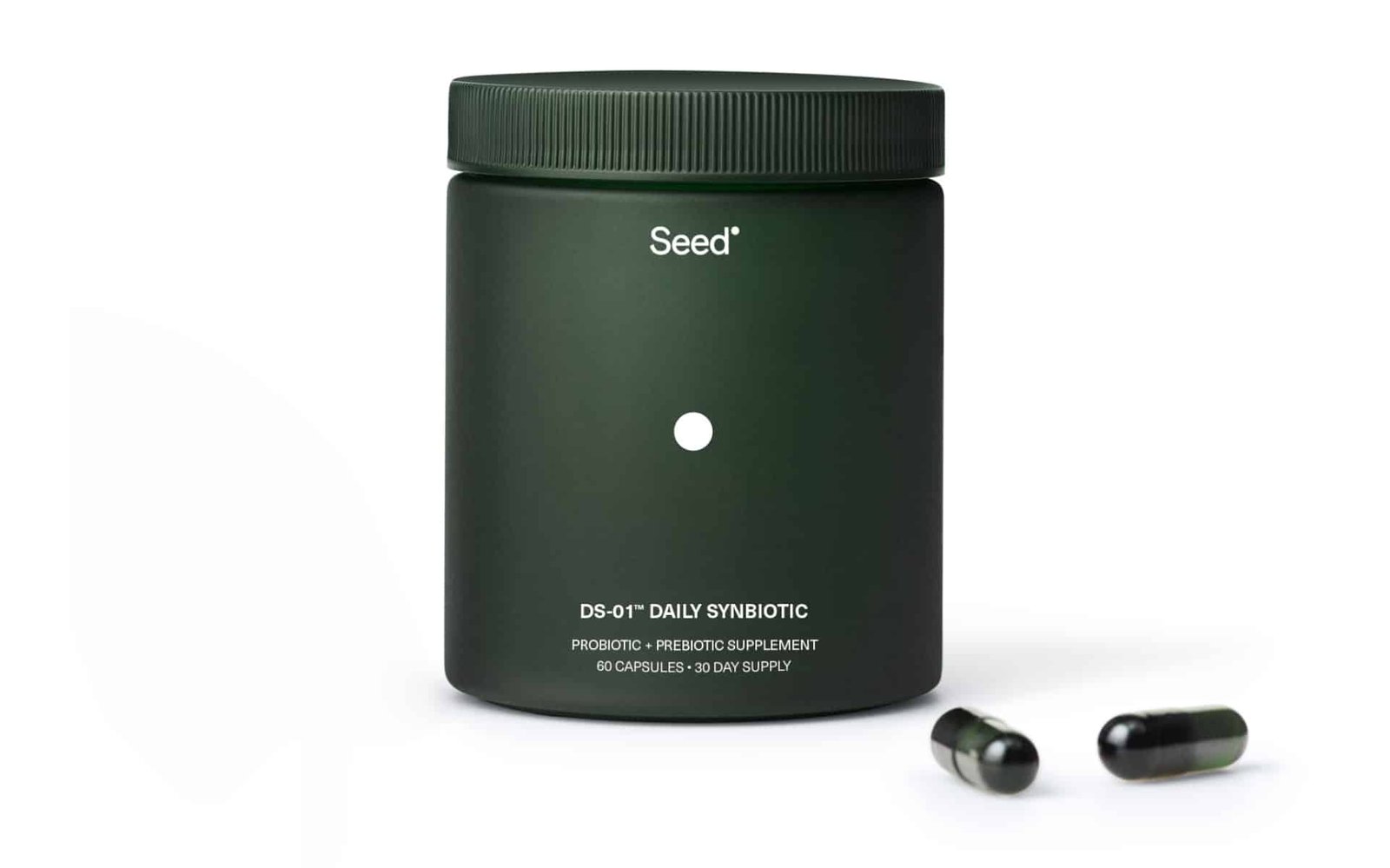
Through a patented capsule technology and proprietary probiotic formula, Seed’s DS-01 Daily Synbiotic claims to support digestive, cardiovascular, and dermatological health while reducing inflammation and supplying essential micronutrients.
What’s actually in Seed Probiotic, and does research back up these claims? We dug into the formula, ingredients, potential side effects, and more. Here’s what we found.
What Is Seed Probiotic?
Seed’s DS-01 Synbiotic markets itself as a genuinely distinctive approach to probiotics — a 24-strain formula built around scientifically tested synbiotic design, aiming to support digestive health, gut barrier integrity, and gut immune function through combined probiotic and prebiotic action.
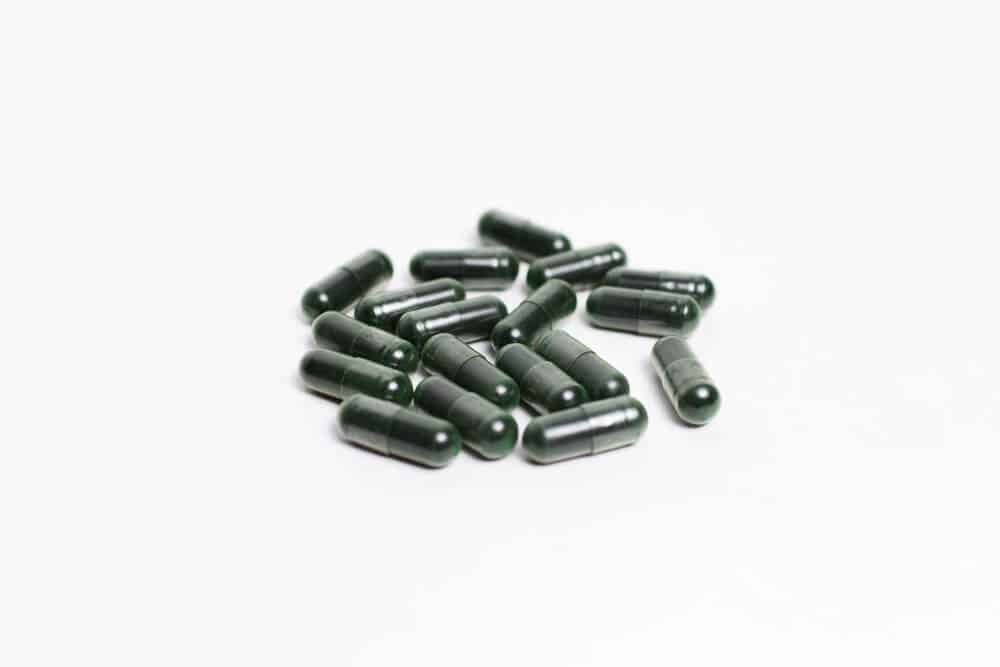
Its standout feature is the ViaCap® delivery system — a capsule-in-capsule design meant to shield probiotics from stomach acid and digestive enzymes. The outer capsule, Seed says, blocks oxygen, moisture, and heat, eliminating the need for refrigeration while ensuring full deliverability to the colon.
The dual-casing design pairs the probiotic blend with a prebiotic outer casing sourced from Indian pomegranate, meant to protect probiotics through storage and digestion while differentiating the product in the market.
Here’s what research shows on a few of the featured strains:
- Nutrients: Bifidobacterium breve genuinely shows antimicrobial activity while supporting immune function.
- International Journal of Food Sciences and Nutrition: Bifidobacterium longum genuinely showed protective skin effects in animal studies.
- Microorganisms: Lactiplantibacillus plantarum genuinely offers multiple benefits, including anti-inflammatory, antioxidative, and antimicrobial activity.
Who Makes Seed Probiotic?
Seed Probiotic comes from Seed Health, a microbial sciences company focused on applying microbes to human and planetary health, working with academic researchers across therapeutics, consumer health, and environmental applications. Consumer probiotic products fall under the Seed® brand.
Co-founded by Ara Katz and Raja Dhir, the company draws on Katz’s tech/media/design background (inspired by her own pregnancy and breastfeeding experience) and Dhir’s life sciences expertise, overseeing R&D, academic partnerships, manufacturing, and IP strategy.
Beyond consumer products, Seed operates Seed Labs, researching probiotic applications in areas like honey bees and coral, backed by a dedicated Scientific Advisory Board. Founded in Los Angeles in 2015, the company now offers DS-01 and PDS-08 (a powdered sachet version), both sold on a 30-day refillable model.
Seed Probiotic Customer Service
Reach the team at 844-646-3586, via email at care@seed.com, on social media, or in person at 2100 Abbot Kinney Blvd Unit G, Venice, CA 90291.
Seed Probiotic and the BBB
Seed Health holds a B+ BBB rating, with no formal customer reviews but 12 complaints closed over three years (6 in the past 12 months).
Seed Probiotic’s Claims
Seed markets DS-01 as a more efficient probiotic approach by pairing probiotics with prebiotics — the latter designed to keep beneficial microbes alive, with the combination amplifying each other’s effect. The company positions DS-01 as delivering whole-body health through this premium prebiotic-probiotic blend.
Seed Probiotic Ingredients
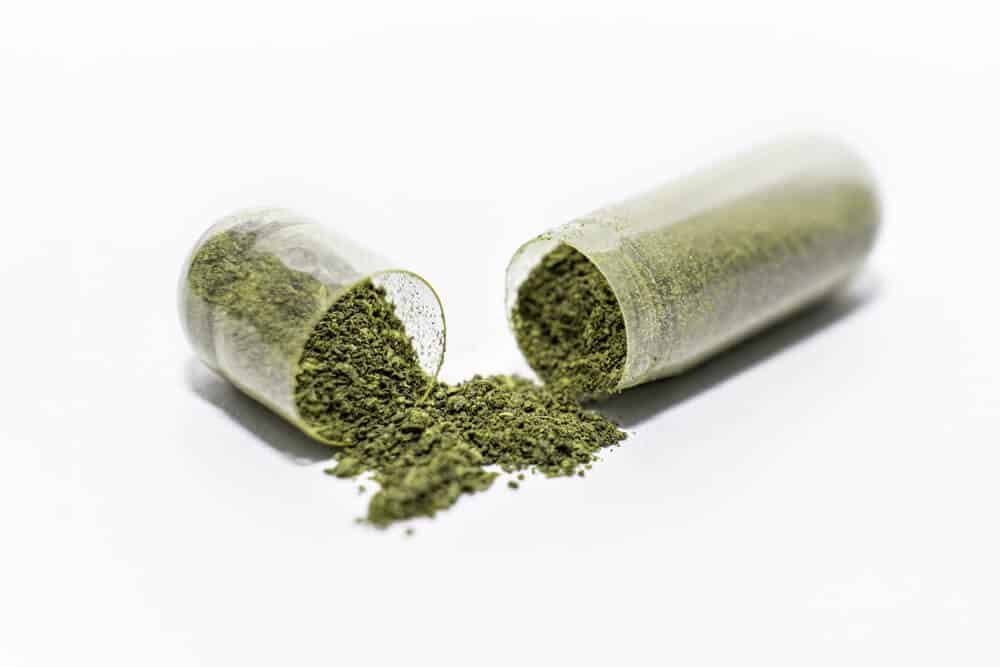
Digestive Health, Gut Immunity, and Gut Barrier Integrity Blend: Bifidobacterium longum, B. infantis, B. breve, B. lactis, Limosilactobacillus reuteri, L. fermentum, Lactobacillus crispatus, Lacticaseibacillus rhamnosus, Lactiplantibacillus plantarum, Lacticaseibacillus casei.
Dermatological Health Blend: Bifidobacterium lactis, B. longum, Ligilactobacillus salivarius, Lacticaseibacillus casei.
Cardiovascular Health Blend: Bifidobacterium lactis, Lactiplantibacillus plantarum.
Micronutrient Synthesis Probiotic Blend: Limosilactobacillus reuteri, Bifidobacterium adolescentis.
Microbiota-Accessible Polyphenolic Precursors: Indian pomegranate (whole fruit).
Other Ingredients: chlorophyllin (outer capsule), hypromellose, fermented gellan gum, water (inner capsule), organic rice fiber and rice extract blend.
Does Seed Probiotic Actually Work?

Seed is currently running clinical trials on DS-01. Per ClinicalTrials.gov, one study is examining whether DS-01 helps rebuild gut microbiota after antimicrobial therapy, while another examines its effects on IBS. Seed is also sponsoring a study on its children’s synbiotic, PDS-08, per ClinicalTrials.gov.
Broader synbiotic and multi-strain probiotic research is also encouraging: per Nutrients, multi-strain probiotics may genuinely reduce diarrhea in IBS patients, and a separate Nutrients study found synbiotics genuinely support immune health and restore gut microbiota balance.
Seed Probiotic and Weight Loss
There’s genuine research connecting the gut microbiome to body weight. A study in the Journal of Agricultural and Food Chemistry found grape seed flour (prebiotic) combined with lactic acid bacteria (probiotic) genuinely affected weight gain. Separately, the Journal of Translational Medicine found multi-strain probiotics genuinely improved insulin resistance and modestly reduced abdominal fat, though without significant overall weight or BMI change.
Seed Probiotic Side Effects
Seed notes possible moderate side effects, including upset stomach, gas, intestinal discomfort, and increased burping.
How to Use Seed Probiotic
Take 1 capsule daily for the first three days, then increase to 2 daily thereafter (taken together). Best on an empty stomach, though taking with food is fine if discomfort occurs. Store in a cool, dry place — capsules remain good for up to 18 months.
Cost and Where to Buy

Available via subscription on Seed’s website for $49.99/month.
Pros and Cons
Pros:
- Actively pursuing published clinical trials
- Multiple studies support multi-strain probiotics for GI health generally
- Largely positive customer reviews
Cons:
- Some customers report side effects
Bottom Line on Seed Probiotic
Seed Health’s ongoing clinical research and genuinely solid supporting evidence for digestive health, immunity, and inflammation reduction make DS-01 a reasonably credible probiotic option. That said, some users report negative side effects, which is worth keeping in mind.
A quality probiotic can be a genuinely useful piece of a broader health routine, but comprehensive wellness — and any weight-loss goals — typically call for more structured support, like a clinically-backed program offering personalized coaching, meal planning, and habit tracking alongside gut health basics.
Explore more New reviews and guides on our site.