Relacore Review: 5 Real Facts About This Stress Formula
Relacore promises to fight “stress-related belly fat” by lowering cortisol — a genuinely different mechanism than most diet pills. This Relacore review found the ingredient science is thinner than the marketing suggests, and there’s an FDA warning and multiple lawsuits worth knowing about first. Table of content How We Researched This Relacore Review Relacore Review: […]

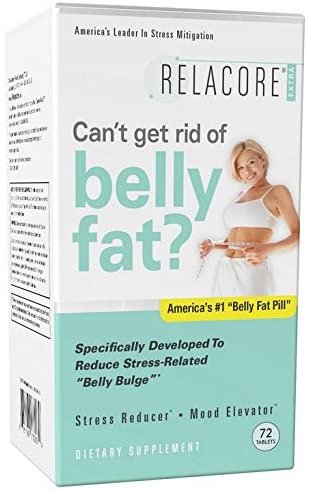
Relacore promises to fight “stress-related belly fat” by lowering cortisol — a genuinely different mechanism than most diet pills. This Relacore review found the ingredient science is thinner than the marketing suggests, and there’s an FDA warning and multiple lawsuits worth knowing about first.
How We Researched This Relacore Review
This Relacore review checked the research behind each core ingredient — magnolia bark, passionflower, Chinese skullcap, Asian ginseng — against the specific stress-and-cortisol mechanism claimed, and reviewed the company’s regulatory and legal history.
Relacore Review: What Is It?
Made by the Carter-Reed Company since 2003, Relacore is built around a proprietary blend of passionflower, magnolia bark, Chinese skullcap root, Asian ginseng, poria extract, and phosphatidylserine — positioned as a mood enhancer that reduces stress-driven eating rather than a direct fat burner.
What the Research Actually Shows
- Oxidative Medicine and Cellular Longevity: magnolia bark may help relieve stress and low energy.
- Phytotherapy Research: passionflower tea showed short-term sleep benefits — no weight-loss connection found.
- BMC Complementary and Alternative Medicine: perilla leaf extract showed promising digestive-health results in a human study.
Notably, the first nine ingredients on the label (various B vitamins, vitamin C) have no bearing on weight loss at all — and because the rest sits in a proprietary blend, there’s no way to verify actual doses of the ingredients that might matter.

Regulatory and Legal History
Relacore’s marketing claims “20 years of research and three clinical trials,” but no independent study has verified this. The company has faced FDA scrutiny and multiple lawsuits over unsubstantiated claims and advertising practices — a real factor separate from the ingredient-level research above.
Side Effects
Reported issues include headaches, nausea, dizziness, sleep disruption, acne, and — counterintuitively for a weight-loss product — weight gain. Individual ingredients carry their own risks: Asian ginseng can cause increased heart rate and diarrhea; magnolia bark can cause shaky hands and fatigue.

How Relacore Compares
Unlike our Hydroxycut review, which covers a stimulant-driven metabolism booster with real (if modest) research behind its main ingredient, Relacore works through mood and stress rather than direct fat burning — a fundamentally different, less-studied approach. Compared to our Lipozene review‘s fiber-based mechanism, Relacore’s proprietary blend makes it harder to evaluate at all.
Who Relacore Actually Makes Sense For
This fits someone specifically dealing with stress-driven eating who wants a mood-support approach rather than a stimulant. It’s a poor fit for anyone wanting verified dosing information, given the proprietary blend, or anyone hoping for direct fat-burning results — that’s simply not what this formula is built to do.
Relacore Review: Frequently Asked Questions
Relacore Review: The Bottom Line
Relacore’s core ingredients have some individual research behind stress and sleep benefits, but nothing ties the finished proprietary blend to actual weight loss, and the company’s legal history around its marketing claims is a real red flag. This Relacore review lands on skeptical: reasonable for stress support, not a credible weight-loss product.