Hydroxycut Review: 6 Essential Ingredient Facts
Hydroxycut has held onto its spot as one of the best-known names in weight-loss supplements for over a decade, and its marketing leans hard on that name recognition — “America’s #1 selling weight loss supplement brand,” tested in “two double-blind, placebo-controlled studies.” This Hydroxycut review exists because that claim glosses over an important detail: those […]

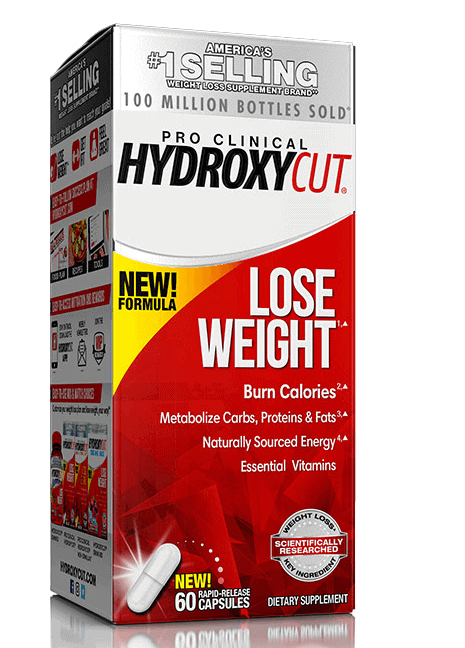
Hydroxycut has held onto its spot as one of the best-known names in weight-loss supplements for over a decade, and its marketing leans hard on that name recognition — “America’s #1 selling weight loss supplement brand,” tested in “two double-blind, placebo-controlled studies.” This Hydroxycut review exists because that claim glosses over an important detail: those studies covered exactly one of the formula’s dozen-plus ingredients. We went through what’s actually been researched, ingredient by ingredient.
How We Researched This Hydroxycut Review
For this Hydroxycut review, we tracked down the FDA’s 2009 recall documentation, the 2017 class-action settlement details, and every ingredient study we could locate for both the current and previous formulas — then compared that record against what the current packaging and marketing actually claim. We also weighed the Better Business Bureau’s rating for parent company Iovate, since that’s a signal about how the company handles problems after a sale, not just before it.
Hydroxycut Review: What’s Actually in the Bottle
Hydroxycut is a product line — pills, gummies, and drinks — from Iovate Health Sciences, sold under the MuscleTech brand name after Iovate acquired the original manufacturer in the early 2000s. It’s positioned as an herbal weight-loss aid meant to work alongside diet and exercise, and it’s sold everywhere from big-box retailers to infomercials.
The 2018 reformulation’s top three ingredients are robusta coffee extract, apple cider vinegar, and plum. Here’s what the research on each actually shows:
- Phytomedicine: robusta coffee extract (rich in chlorogenic acid) shows measurable increases in fatty-acid metabolism in human urine samples — a real, if narrow, finding.
- Journal of Medicinal Food: apple cider vinegar’s weight-loss evidence is almost entirely limited to mouse studies; human data is thin.
- JMF: plum’s only well-documented health benefit is for bone health — nothing ties it to weight loss.

The current (post-2018) formula in full: robusta coffee extract, apple cider vinegar, plum, baobab extract, cardamom, coffee extract, and a B-vitamin/vitamin D blend. The earlier formula, used from 2013 until the 2018 update, centered on caffeine along with lady’s mantle, wild olive, komijn, and wild mint extracts, papaya, maqui, blackberry, amla, and saffron extracts.
Does Hydroxycut Actually Work?
The “clinically tested” claim on the packaging refers to a single study — on C. canephora robusta, the green coffee extract. Gastroenterology Research and Practice reviewed that ingredient and concluded it “may promote weight loss,” but explicitly noted the “effect is small.” That’s a meaningfully more modest claim than the marketing suggests, and it’s the honest answer at the center of any Hydroxycut review that actually reads the underlying research instead of the label.
Side Effects
Reported side effects are relatively limited compared to some stimulant-based competitors, but do include headaches, upset stomach, and nausea — consistent with a caffeine-containing formula. Anyone sensitive to caffeine, or already consuming coffee or energy drinks regularly, should factor that overlap in before adding Hydroxycut on top.
A Recall and Legal History Worth Knowing
In May 2009, the FDA flagged several Hydroxycut products as a health hazard tied to liver-related illness, prompting a recall of multiple SKUs including Hydroxycut Hardcore Liquid Tablets, Hydroxycut Max Drink Packets, Hydroxycut 24, Hydroxycut Carb Control, and the regular Rapid Release Caplets. Iovate settled a related class-action lawsuit in 2017 for $8 million over allegedly false and misleading marketing claims. In 2020, Spain’s food safety agency withdrew Hydroxycut Hardcore Next Gen after linking it to a serious adverse reaction. Separately, parent company Iovate carries an “F” rating with the Better Business Bureau for failing to respond to customer complaints — worth knowing even though Hydroxycut itself doesn’t have its own BBB file.
How It’s Meant to Be Used
Directions call for starting with one caplet daily before breakfast or lunch during week one to gauge tolerance, building up to two caplets twice daily. The brand recommends pairing it with eight to ten glasses of water a day and at least 30 minutes of moderate activity — a brisk walk, five days a week — which is a fair signal that the product isn’t meant to work in isolation.
Who Hydroxycut Actually Makes Sense For
Hydroxycut is built for people who tolerate caffeine well, already have a diet and exercise routine in place, and want a mild metabolic nudge rather than a dramatic transformation. It’s a poor fit for anyone with liver concerns given the 2009 recall history, anyone caffeine-sensitive, and anyone hoping for meaningful results without the accompanying diet and activity changes the brand itself recommends. Pregnant or nursing individuals, and anyone with a heart condition or on blood pressure medication, should talk to a doctor before starting any caffeine-based fat burner like this one.
If You’re Comparing Ingredients
Shoppers looking at Hydroxycut alternatives often end up comparing individual stimulant and appetite-suppressant ingredients directly: chromium (modest evidence for appetite suppression, low risk at 25–45 mcg/day), Garcinia Cambogia (HCA may reduce appetite, though the World of Gastroenterology recommends caution with it), guarana (very high natural caffeine content — up to 5.8% by volume), and yohimbe (traditionally used for metabolism support, though the source tree is now facing overharvesting pressure). None of these carry dramatically stronger evidence than what backs Hydroxycut’s own formula — the differences are mostly in stimulant intensity and side-effect profile. Our Relacore review covers a non-stimulant alternative worth comparing if caffeine sensitivity is a concern.
Hydroxycut Review: Frequently Asked Questions
Hydroxycut Review: The Bottom Line
Hydroxycut’s brand recognition outpaces its clinical backing. The one ingredient with an actual controlled study behind it — green coffee extract — is honestly described by researchers as producing a “small” effect, and the rest of the twelve-plus-ingredient formula runs on much thinner evidence. Add a 2009 recall tied to liver illness and an ongoing pattern of complaint-related issues with the parent company, and this is a product where the name is doing more of the selling than the research is. Anyone considering it should talk to a doctor first, particularly given the caffeine load and the liver-related recall history — the central caution of this Hydroxycut review.