Red Light Therapy Review: 3 Real Facts to Know First
Red light therapy traces back to a 1960s Hungarian discovery, but by 1987 companies were already claiming it could treat pain and accelerate healing with little evidence to support it — a pattern of marketing outpacing research that continues today. This Red Light Therapy review checked what the science actually confirms now. Table of content […]

Red light therapy traces back to a 1960s Hungarian discovery, but by 1987 companies were already claiming it could treat pain and accelerate healing with little evidence to support it — a pattern of marketing outpacing research that continues today. This Red Light Therapy review checked what the science actually confirms now.
How We Researched This Red Light Therapy Review
This Red Light Therapy review checked the published research on glutathione restoration, osteoarthritis pain relief, and wound healing specifically, and traced the treatment’s origin and terminology evolution.
Red Light Therapy Review: What Is It?
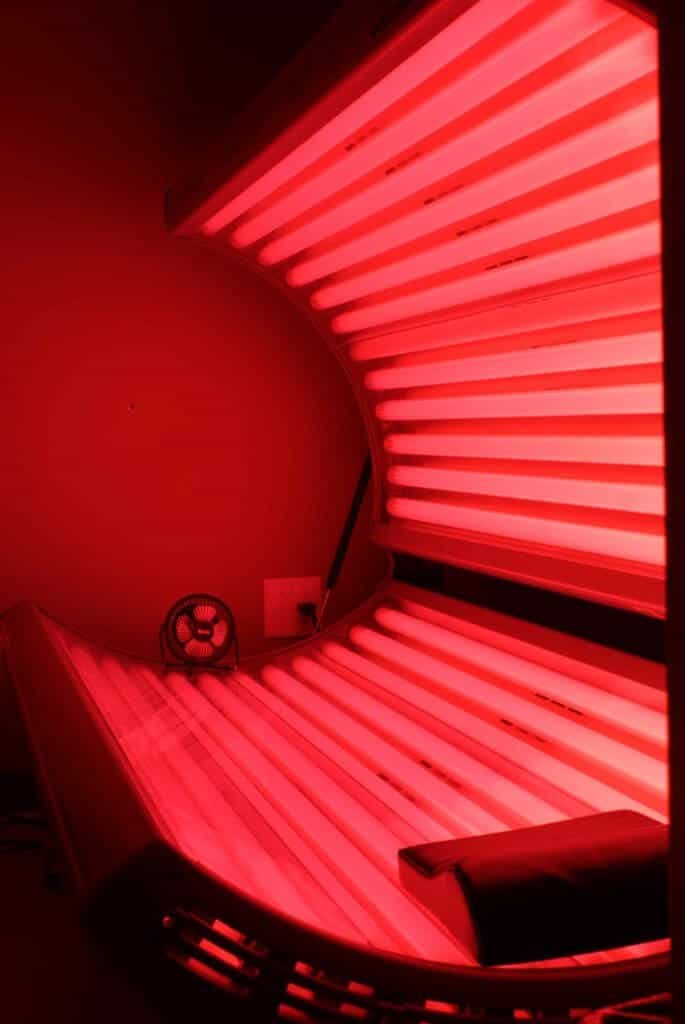
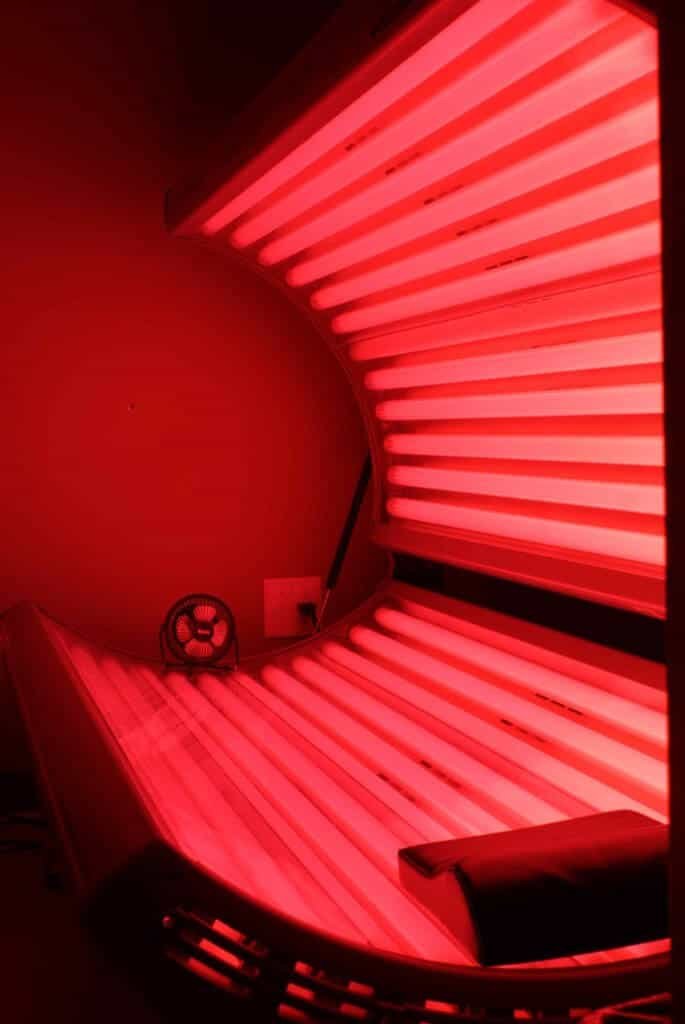
Also called photobiomodulation (PBM), low-level light therapy, or biostimulation, Red Light Therapy uses low-power wavelengths of red light (penetrating skin roughly 8-10mm) to target cellular energy production, marketed for wrinkles, redness, acne, scars, hair loss, and wound healing. It’s painless and doesn’t generate heat.
What the Research Actually Shows
- Medical Hypotheses: over a decade of research shows red light therapy can restore glutathione and enhance energy balance — a genuine, cellular-level mechanism.
- Journal of the American Geriatrics Society: real evidence supports red light therapy reducing pain in osteoarthritis patients specifically.
- Journal of Cosmetic and Laser Therapy: research also confirms red light therapy can genuinely improve wound healing.
The Discovery History
Hungarian physician Endre Mester discovered low-power laser biological effects shortly after the 1960-61 invention of ruby and helium-neon lasers, founding the Laser Research Center in Budapest in 1974. His original term “laser biostimulation” evolved through “low-level laser therapy,” then “low-level light therapy” (as LEDs were adopted), and finally “photobiomodulation” — a genuinely long, legitimate research history spanning decades, even as commercial marketing has periodically outpaced the evidence.
How It’s Claimed to Work
The proposed mechanism: red light triggers a biochemical response in cell mitochondria, increasing electron transport, oxygen consumption, and ATP (cellular energy) production — theoretically improving blood circulation and enabling more efficient cell function for skin repair, collagen stimulation, and wrinkle reduction. This mechanism is plausible and has real research support for several specific applications, though the full breadth of skin-related claims isn’t equally well-established across every use case.
Where the Evidence Is Strongest
Osteoarthritis pain relief and wound healing have the most direct research support among red light therapy’s many claimed applications. Broader anti-aging and general skin rejuvenation claims, while biologically plausible given the mitochondrial mechanism, generally have less direct clinical confirmation and would benefit from more research, as the source material itself acknowledges.
Does Red Light Therapy Work?
For pain relief (particularly osteoarthritis) and wound healing, the evidence is genuinely solid. For the broader cosmetic claims — wrinkle reduction, acne, hair loss — the underlying cellular mechanism is plausible, but researchers themselves note more clinical trials are needed to fully substantiate these specific applications.
Who Red Light Therapy Actually Makes Sense For
This fits people specifically seeking pain relief (osteoarthritis) or wound-healing support, where the research is most established. It’s a reasonable, low-risk option to try for cosmetic skin concerns too, though with more modest confidence in the specific results given the earlier-stage evidence for those applications.
Frequently Asked Questions
The Bottom Line
Red light therapy has genuine, decades-long research support for pain relief and wound healing, with a biologically plausible mechanism extending to broader cosmetic claims that still need more confirmatory research. This Red Light Therapy review found a legitimate, low-risk treatment with its strongest evidence in pain and healing applications rather than cosmetic anti-aging use.
Explore more Weight Loss Program reviews and guides on our site.