Pinalim Tea Review: 3 Real Facts About the Senna Warning
Senna, Pinalim Tea’s main active ingredient, is specifically used to clear the bowel before diagnostic procedures like colonoscopies — meaning it’s not safe for daily use unless prescribed by a healthcare provider, despite the tea’s marketing for regular weight-loss consumption. This Pinalim Tea review checked what’s really behind the “pineapple tea” branding. Table of content […]

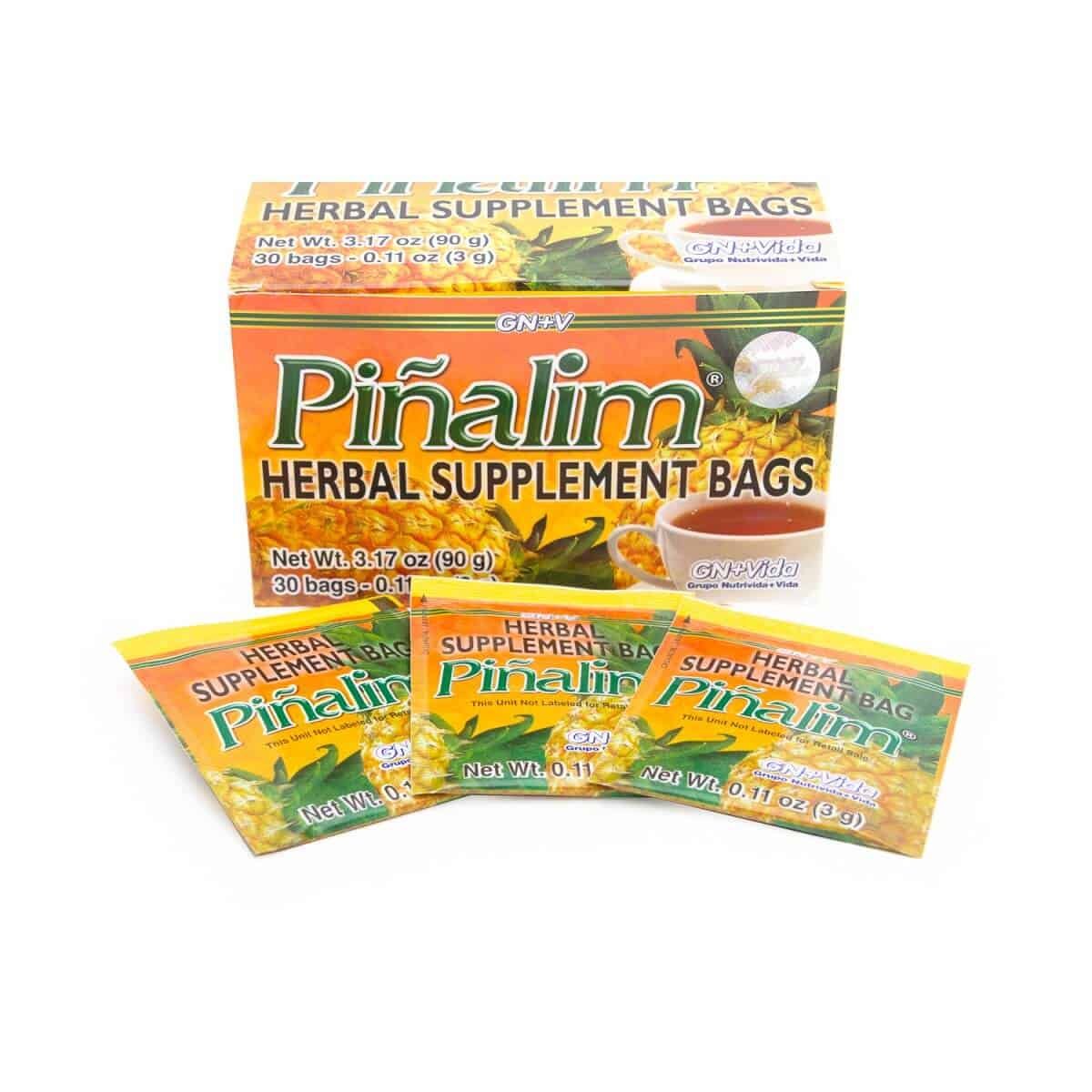
Senna, Pinalim Tea’s main active ingredient, is specifically used to clear the bowel before diagnostic procedures like colonoscopies — meaning it’s not safe for daily use unless prescribed by a healthcare provider, despite the tea’s marketing for regular weight-loss consumption. This Pinalim Tea review checked what’s really behind the “pineapple tea” branding.
How We Researched This Pinalim Tea Review
This Pinalim Tea review checked the published research on senna’s medical use guidelines, flaxseed and green tea’s actual weight-loss evidence, and real customer-reported side effects.
Pinalim Tea Review: What Is It?
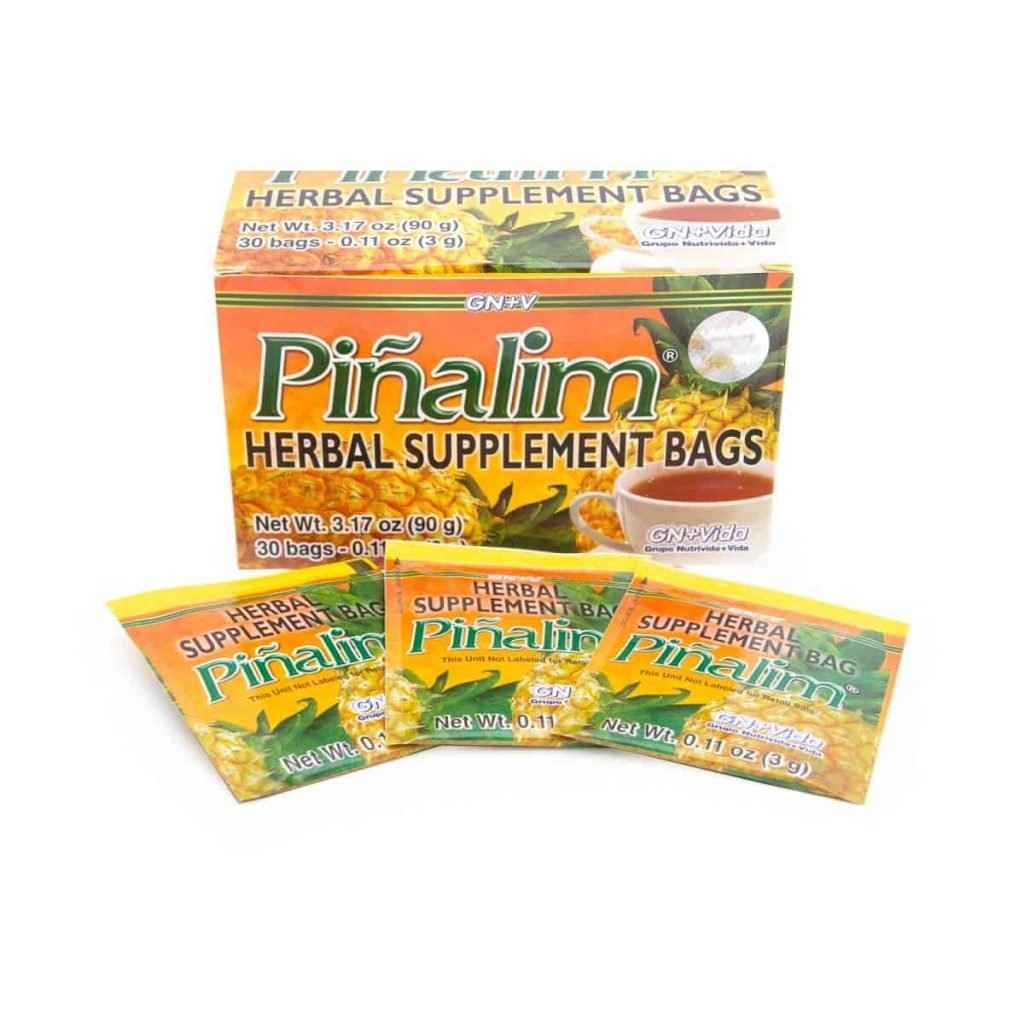
Made by GN+VIDA (Mexico), Pinalim Tea is a caffeine-free herbal blend of pineapple, flaxseed, green/red/white tea leaf, senna leaf, and pineapple extract, at 10 calories per serving, marketed as a weight-control aid and detoxifier despite pineapple not being widely used or considered a genuine weight-loss catalyst.
What the Research on Key Ingredients Shows
- Obesity Reviews: whole flaxseed does support weight loss — but a tea containing flaxseed extract isn’t delivering the whole seed, meaning those specific benefits likely don’t transfer.
- Molecules: various teas show genuine weight-loss benefits in recent research.
- Natural Product Research: senna has centuries of folk use for constipation, but no evidence supports the stimulant laxative for weight loss specifically.
The Senna Safety Warning
This is worth taking seriously: per the Journal of Pharmacognosy and Phytochemistry, senna’s laxative property (via anthraquinone) is specifically used to clear the bowel before diagnostic tests like colonoscopies — a use case implying it’s not intended for regular, unsupervised daily consumption, directly at odds with Pinalim’s “daily use” marketing.
The Green Tea Research Gap
A Cochrane Database review found green tea supports weight loss — but explicitly noted this evidence doesn’t apply to standard steeped tea bags, since the supporting trials used specially prepared, catechin-concentrated extracts. This is a real, meaningful gap between the research citation and what a simple steeped tea bag like Pinalim actually delivers.
What Real Customers Report
Feedback includes severe abdominal pain and diarrhea reports, plus some customers reporting weight gain and worsened constipation rather than the promised results — a pattern consistent with senna’s known side effect profile and inconsistent with genuine fat loss.
Does Pinalim Tea Work?
No published clinical research backs Pinalim Tea’s specific claims. Any weight change is most plausibly explained by senna’s laxative-driven water loss rather than genuine fat reduction, and the tea-bag format likely doesn’t deliver green tea’s research-supported concentrated catechin dose.
Who Pinalim Tea Actually Makes Sense For
Given the senna safety concerns around daily use and the real reports of severe digestive discomfort, this isn’t something to use regularly without medical guidance. It’s a poor fit for anyone seeking genuine fat loss, or anyone prone to digestive sensitivity.
Frequently Asked Questions
The Bottom Line
Pinalim Tea’s senna content carries a real daily-use safety concern, and the green tea research cited doesn’t clearly apply to a standard steeped tea format. This Pinalim Tea review found a laxative-based tea marketed for regular use in a way that conflicts with its own key ingredient’s safety guidance.
Explore more Detox reviews and guides on our site.