Atrantil Review: Ingredients, Benefits & Side Effects
Atrantil is relatively new to the market, but it’s been steadily gaining traction. Developed by a practicing gastroenterologist, it claims to relieve bloating, abdominal discomfort, and irregular bowel habits. We’ve reviewed plenty of products that lean on laxative effects to market themselves as weight-loss aids — is Atrantil one of those, or something genuinely different? […]

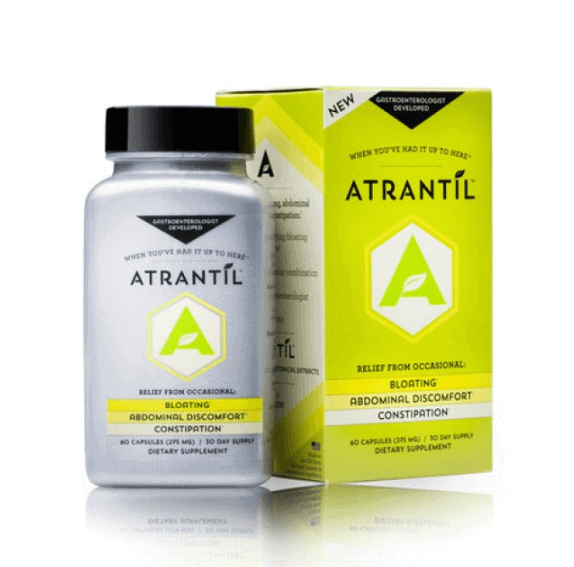
Atrantil is relatively new to the market, but it’s been steadily gaining traction. Developed by a practicing gastroenterologist, it claims to relieve bloating, abdominal discomfort, and irregular bowel habits. We’ve reviewed plenty of products that lean on laxative effects to market themselves as weight-loss aids — is Atrantil one of those, or something genuinely different?
With a fairly short ingredient list, our research team wanted to understand exactly how each component works, what side effects to watch for, and how much research actually supports the claims. Here’s what we found.
What Is Atrantil?
Atrantil is a natural, botanical-based dietary supplement aimed at relieving digestive issues like bloating, abdominal discomfort, and irregular bowel habits. Unlike probiotics or digestive enzymes, it takes a different approach — focused on balancing digestive health and addressing gas-related issues specifically. It’s meant for daily use as a non-probiotic, non-enzyme option for managing digestive disturbances.
Here’s a quick look at the research behind its core ingredients:
- Phytotherapy Research — “In addition to traditional food flavouring uses, M. × piperita is well recognized for their traditional use to treat fever, cold, digestive, anti-viral, anti-fungal and oral mucosa and throat inflammation.”
- World Journal of Gastrointestinal Pharmacology and Therapeutics — Research on quebracho extract is genuinely sparse, but we came across a small study on Atrantil specifically — a pleasant surprise, since studies on branded supplements are rare. Involving 24 participants, the study found “twenty-one of 24 patients (88%) responded to the dietary supplement as measured by individual improvements in VAS scores for abdominal pain, bloating and constipation symptoms comparing scores prior to administration of the extract against those reported after 2 wk.”
- Food Chemistry — Horse chestnut shows strong antioxidant activity, though we didn’t find a direct connection to digestive health specifically. Some literature notes it’s used as a diuretic to help remove excess fluid from the body.

How Did Atrantil Start?
Dr. Ken Brown, a gastroenterologist based in the Dallas area, participated in 2008 clinical trials for a new IBS drug that barely outperformed the placebo group while causing a fair number of adverse side effects. Frustrated by that outcome, he set out to find something genuinely better for his patients.
In 2012, he formed KBS Research to explore natural approaches to relieving gut-related symptoms, and Atrantil was the eventual result of that research and testing process.
Atrantil Claims
Atrantil is marketed to help with bloating, constipation, diarrhea, and general stomach discomfort. The brand claims it can start working within a couple of hours of symptom onset, and that regular use may help keep those symptoms from recurring. The proposed mechanism is preventing methane-producing bacteria from feeding on food in the gut, a process the company links directly to bloating and discomfort.

Atrantil Ingredients
The formula centers on three botanical ingredients: peppermint leaf, quebracho extract, and horse chestnut.
Peppermint
A well-known plant with a long history of medicinal use in both leaf and oil form, peppermint has traditionally treated colds, coughs, mouth and throat inflammation, sinus infections, and respiratory issues. It’s also used for a wide range of digestive complaints — nausea, vomiting, morning sickness, heartburn, IBS, upper GI and bile duct cramps, upset stomach, diarrhea, small intestine bacterial overgrowth, and gas. Peppermint oil applied topically is used for headaches, muscle and nerve pain, toothaches, mouth inflammation, joint conditions, allergic rash, and infections, and it’s sometimes used to relax the colon during barium enemas.
Worth noting: in 1990, the FDA banned peppermint oil as an over-the-counter digestive aid due to insufficient proof of effectiveness. It’s sold today as a dietary supplement instead, a category that doesn’t require the same FDA effectiveness standard. Peppermint oil appears to work primarily by reducing spasms in the digestive tract, and may also help slow memory decline in older adults.
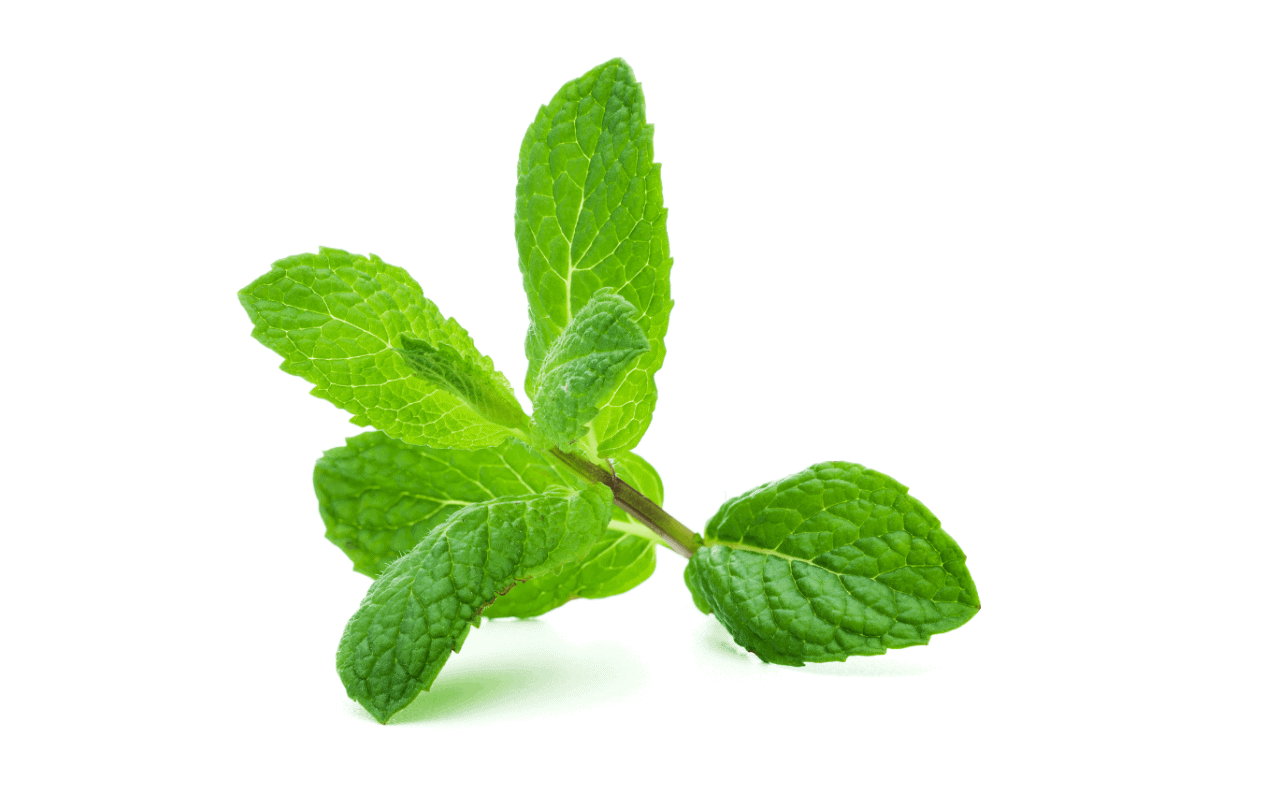
Both peppermint leaf and oil are considered likely safe in typical food or medicinal amounts, and the leaf specifically is considered safe for medicinal use up to 8 weeks — the long-term safety data is less clear. Potential side effects include heartburn and allergic reactions, including headache and flushing. Pill forms are typically enteric-coated to prevent stomach contact, and the leaf is considered possibly safe for children 8 and older.
Quebracho Extract
Sourced from the bark of a hardwood tree native to South America, quebracho has more than 15 species, though only a handful are used medicinally. Atrantil uses the red variety specifically, valued for containing one of the most stable natural polyphenols known, making it of real interest to researchers. Most published research focuses on white quebracho, though the red variety appears more beneficial for gut-related applications.
The extract naturally contains tannins — water-soluble polyphenols that bond readily with hydrogen, meaningfully reducing methane production while disrupting bacterial lipid membranes. These polyphenols are considered among the most effective at reducing methane in the guts of ruminant animals. Because quebracho is a macromolecule, it isn’t absorbed by the intestines, staying within the GI tract to interact with its contents rather than entering the bloodstream — and because it isn’t broken down by gastric acid or pancreatic enzymes, it retains strong antioxidant and anti-inflammatory properties throughout digestion.
That said, a study in the Journal of Animal Science found that “feeding up to 2% of the dietary DM as quebracho tannin extract failed to reduce enteric methane emissions from growing cattle, although the protein-binding effect of the quebracho tannin extract was evident” — a reminder that livestock research doesn’t automatically translate to human digestive outcomes.
Horse Chestnut
Horse chestnut’s seed, flower, leaf, and bark are all used medicinally, though it’s worth knowing upfront that raw seeds contain a poison called esculin and are genuinely dangerous if eaten unprocessed. The seed and leaf are traditionally used for varicose veins, hemorrhoids, and swollen veins, with the seed also used for diarrhea, fever, and enlarged prostate. Processed extracts, with the active compounds removed and concentrated, are used to address circulation problems. The leaf is used for eczema, soft tissue swelling from fractures and sprains, cough, arthritis, joint pain, and menstrual pain, while the bark has traditional uses for malaria, dysentery, and topical skin conditions like lupus and ulcers.
The proposed mechanism involves a blood-thinning compound that makes it harder for fluid to leak from veins and capillaries, alongside a mild diuretic effect that helps prevent water retention.
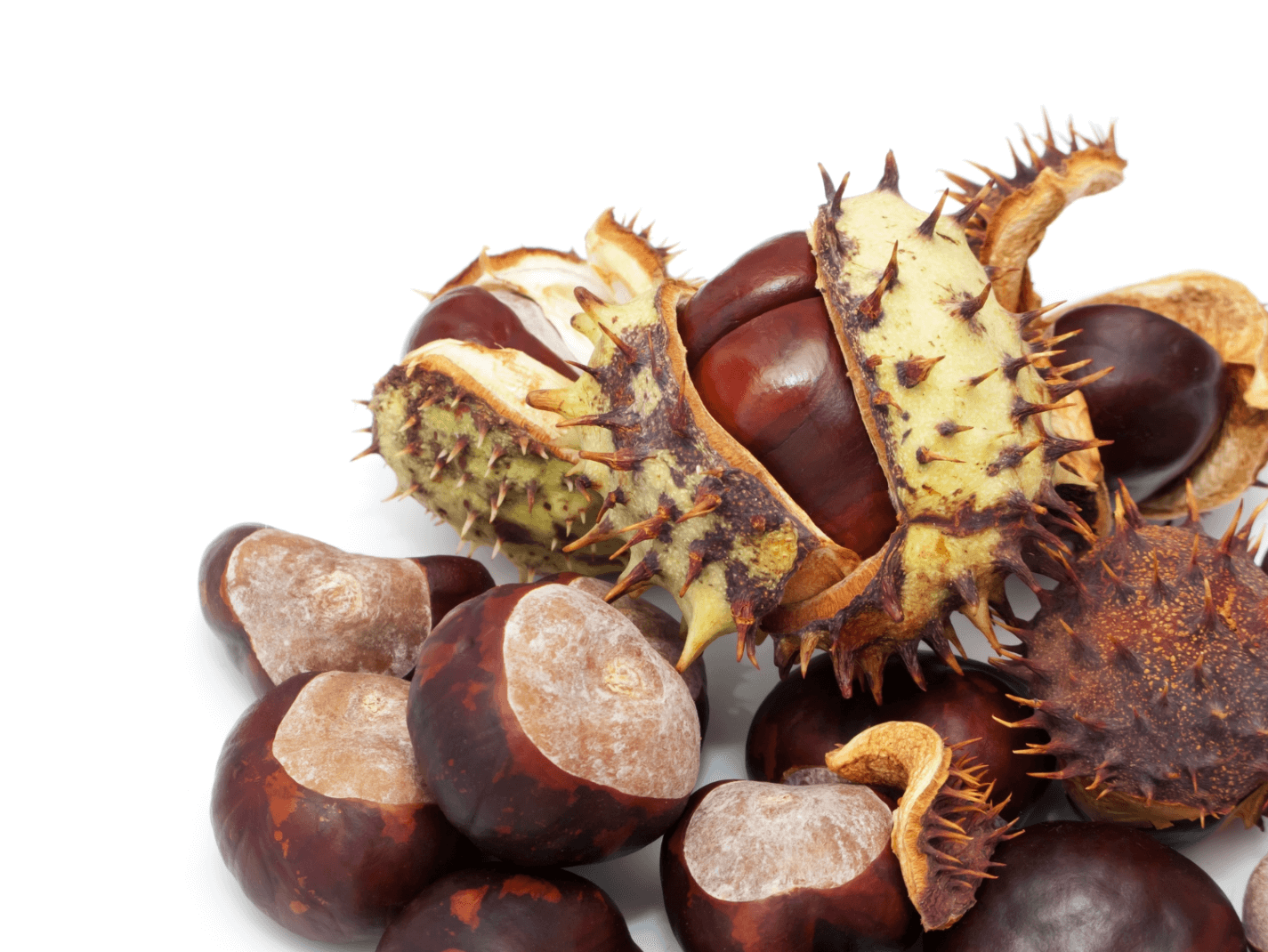
Standardized seed extract, with the toxic esculin removed, is generally considered safe for most people over short periods — it’s important to specifically look for products confirming esculin removal. Possible side effects include upset stomach, itching, headache, and dizziness, and pollen from the horse chestnut flower can trigger allergic reactions. Suppositories using horse chestnut may cause anal irritation and itching. Raw seed, bark, flower, and leaf are genuinely dangerous and unsafe to consume in any form.
Safety data on horse chestnut seed extract (with the poison removed) during pregnancy or breastfeeding is limited, so it’s best avoided in those circumstances. Because it can slow blood clotting, anyone with a bleeding disorder should avoid it, and it may also lower blood sugar, so people managing blood sugar conditions should monitor closely. Some reports link it to gastrointestinal irritation, so it’s best avoided by anyone with existing bowel or stomach issues, and there’s at least one documented report of liver injury tied to its use, making it worth avoiding for anyone with liver conditions. People with latex allergies may also react to horse chestnut, and it may worsen existing kidney problems. Given its blood-thinning effect, it should be discontinued at least two weeks before any surgery.
A double-blind study published in the World Journal of Gastrointestinal Pharmacology and Therapeutics found 88% of patients experienced relief from bloating, constipation, and abdominal discomfort after using Atrantil — though the study is now more than a decade old, which may limit how relevant the findings still are.

Impressive as that 88% figure sounds, the underlying study involved just 24 participants: “Twenty-one of 24 patients (88%) responded to the dietary supplement as measured by individual improvements in VAS scores for abdominal pain, bloating, and constipation symptoms comparing scores before administration of the extract against those reported after 2 wk. […] There were also significant improvements in individual as well as mean VAS scores after 2 wk of administration of the combined extract compared to baseline for abdominal pain [8.0 (6.5, 9.0) vs 2.0 (1.0, 3.0), P < 0.001], bloating [8.0 (7.0, 9.0) vs 1.0 (1.0, 2.0), P < 0.001] and constipation [6.0 (3.0, 8.0) vs 2.0 (1.0, 3.0), P < 0.001], respectively. Also, 21 of 24 patients expressed improved quality of life while taking the formulation. [...] There were no reported side effects to the administration of the dietary supplement in this practice population suggesting excellent tolerance of the formulation."
Worth noting: the study was authored by the same KBS Research company that develops and sells Atrantil. An independent, third-party study reproducing these results would go a long way toward confirming the findings.
Does Atrantil Work?
It appears to work for a genuine majority of people who use it consistently. That said, if your digestive discomfort, constipation, or bloating isn’t rooted in gut bacteria specifically, you likely won’t see the same benefit — it doesn’t function the same way probiotics or digestive enzymes do.
It’s also worth remembering that the primary research supporting Atrantil’s effectiveness was conducted by the company that makes it, so complete independent verification is still lacking.
Atrantil Benefits and Results
People dealing with occasional bloating and stomach discomfort commonly report relief within a couple of hours of a single two-capsule dose. Continuing up to three doses a day until symptoms meaningfully improve is the recommended approach, with most users reaching significant relief within 7 to 10 days — though for some, it can take 20 to 30 days.

Atrantil and Weight Loss
Atrantil isn’t an appetite suppressant or fat burner, so it’s unlikely to produce the kind of direct weight-loss results associated with other supplement categories. That said, anyone dealing with chronic bloating and abdominal discomfort — with or without constipation or diarrhea — may genuinely feel noticeably better on it, and some minor weight change could occur as a side effect of improved digestive health rather than as a primary mechanism.
Can Atrantil Help with SIBO?
Small intestinal bacterial overgrowth (SIBO) involves an excess of bacteria in the small intestine and is a frequent cause of chronic diarrhea and malabsorption. Patients with SIBO often experience nutritional deficiencies and unintentional weight loss as a result.
Atrantil’s botanical ingredients may help reduce that excess bacteria, making it easier for the body to absorb nutrients properly and maintain a healthier weight — though it’s important to understand Atrantil isn’t a cure for SIBO itself, just a potential piece of managing its symptoms.
How to Take Atrantil
Atrantil can be taken up to three times daily as needed, with two capsules per dose alongside food for best results. It can also be taken as-needed after symptoms begin, with or without food. Each bottle contains 90 capsules, roughly a month’s supply.

Potential Atrantil Side Effects
The overall side effect profile appears fairly minimal, though some users report mild stomach discomfort when taking it on an empty stomach — easily managed by taking it with food instead. In cases of higher bacterial load, some users experience temporary symptoms like muscle aches, headache, or a foggy feeling, generally interpreted as a sign the supplement is actively working and reacting with bacterial toxins in the gut.
Atrantil Product Warnings
Atrantil isn’t recommended for anyone pregnant, nursing, or allergic to its ingredients, and it should be kept out of reach of children. Anyone currently taking other medications should consult a doctor or pharmacist before starting.
Any Atrantil Lawsuits?
We didn’t find any lawsuits filed against Atrantil or KBS Research. We’ll update this if that changes in the future.
Atrantil Pricing Information
Atrantil is available on the official website for $39.95, and also through Amazon and select retailers like Walgreens. A 20-count travel pack runs $17.95. International orders can be placed through eBay, with dedicated ordering options available for Australia and New Zealand via the official site. Domestic U.S. orders offer standard shipping (5-7 business days), expedited shipping (3-4 business days), and priority shipping (next business day), with orders placed after 10 a.m. Central shipping the following business day.
Contact: info@atrantil.com or (214) 984-3724.
Is Atrantil Backed by a Money-Back Guarantee?
Atrantil offers a 90-day money-back guarantee covering one bottle. To process a return, you’ll need a copy of your product receipt, a note with your full name and mailing address clearly printed, and the bottle(s) or blister pack(s) themselves, mailed to Atrantíl Money-Back Guarantee, 15770 N. Dallas Parkway Suite 550, Dallas, TX 75248. Additional questions can go to (214) 984-3724 or support@atrantil.com.
The Bottom Line on Atrantil
We appreciate that Atrantil’s focus stays squarely on gut health, and there’s genuine research supporting the effectiveness of its ingredients. Side effects appear minimal, and users largely report that it works. That said, Atrantil is just one option among several worth considering for gut health specifically — it’s not designed to be a complete weight-loss solution on its own.
Weight loss involves multiple interconnected factors, and diet and exercise are really just the starting point. Whatever role a digestive supplement like Atrantil plays in your routine, pairing it with a comprehensive, evidence-based approach to eating and activity will get you considerably further toward lasting results.
Explore more Detox reviews and guides on our site.