Noom vs. Alkaline Diet
Let’s take a closer look at noom vs alkaline diet and what it genuinely offers. Advertisement With so many diets and healthy-lifestyle programs on the market, telling the genuinely effective ones from the flawed can be a real challenge — and newer technology only adds another layer to sort through. Here’s how today’s technology-powered weight-loss […]

Let’s take a closer look at noom vs alkaline diet and what it genuinely offers.
With so many diets and healthy-lifestyle programs on the market, telling the genuinely effective ones from the flawed can be a real challenge — and newer technology only adds another layer to sort through. Here’s how today’s technology-powered weight-loss approach compares to a diet that leaves many experts skeptical.
Noom Vs Alkaline Diet: What Is Noom?
Noom is a 16-week weight-loss and lifestyle program built around personalized plans, one-on-one coaching, and a dedicated support community, with food and exercise tracking paired with daily lessons and quizzes that build progressively toward larger lifestyle change.
What Is the Alkaline Diet?
Also known as the alkaline ash diet or acid-alkaline diet, this plan aims to shift the body’s pH by swapping “acidic” foods for “alkaline” ones, based on the metabolic waste, or “ash,” left behind after the body processes food for energy.
Noom vs. Alkaline Diet: History
Brief History of Noom
Founded in 2008 by Saeju Jeong and Artem Petakov with support from psychologists, dietitians, trainers, and doctors, Noom became one of the top diet searches by 2018. In October 2019, it partnered with Novo Nordisk, and it’s remained on the CDC’s list of recognized lifestyle programs since the agency began tracking them.
Brief History of the Alkaline Diet
French physician Dr. Claude Bernard studied how diet affected kidney function and urine acidity, observing that rabbits switched from a plant-based to meat-based diet showed increased urine acidity. Drawing on bomb calorimeter research, which measures food calories by burning them and analyzing leftover “ash,” Bernard theorized the body left behind similar residue — the foundation for the idea that food can shift body-wide acidity.
Noom vs. Alkaline Diet: Who’s Behind the Plans?
Who Created Noom?
Petakov, drawn to programming since age nine and later to the psychology of decision-making in college, was initially resistant to leaving Google for Jeong’s new venture, but eventually came aboard to help build Noom.
Who Created the Alkaline Diet?
Dr. Claude Bernard, born in France in 1813, studied physiology at the University of Paris and later authored several works on experimental medicine.
Noom vs. Alkaline Diet: The Rules
Rules of Noom
Psychology anchors Noom’s approach, built on food logging, exercise tracking, and daily education.
Food Logging: Green foods (about 30% of calories) include most fruits, vegetables, whole grains, lean seafood, and non-fat dairy. Yellow foods (about 45%) cover items like avocado, lean meats, legumes, and low-fat dairy. Red foods (up to 25%) include fried items, sugary desserts, and alcohol.
Exercise Tracking: Half of tracked exercise calories get added back to your daily goal — a deliberate 50% rather than 100%, since people tend to overestimate workout intensity.
Education, Lessons, and Quizzes: Daily lessons and quizzes over 16 weeks gradually build toward a fundamentally new relationship with food and health.
Rules of the Alkaline Diet
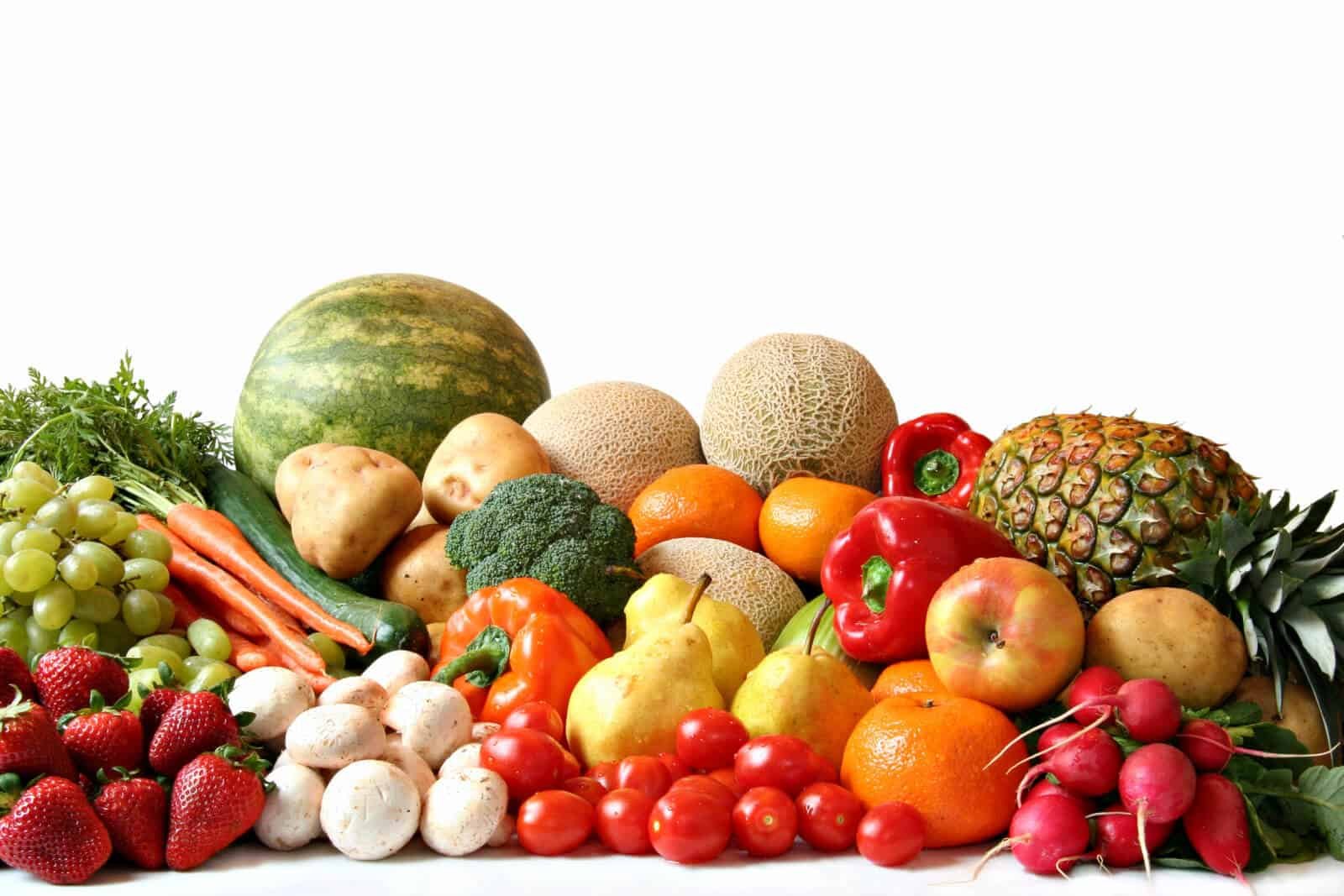
The core rule is simple: eat more alkaline foods, fewer acidic ones. Alkaline foods include fruits, vegetables, wine, coffee, and citrus juice; acidic foods include meat, dairy, eggs, grains, and legumes — measured using a food’s PRAL (potential renal acid load) score. Highly alkaline foods include apricots, carrots, celery, and spinach; highly acidic foods include chicken, beef, cheese, brown rice, and nuts like walnuts and peanuts. Additional guidance includes increasing produce intake, cutting soda entirely, drinking 64 ounces of lemon or lime water daily, limiting animal protein to one serving a day, and testing morning urine pH, targeting a range of 6.5 to 7.5.
Noom vs. Alkaline Diet: Eating Plans
The Noom Eating Plan
Personalized from an initial questionnaire and guided by a dedicated coach, Noom’s green/yellow/red system makes nutrient density intuitive — a cup of broccoli at 30 calories versus roughly 200 for a cup of rice means nearly seven times the food for the same calorie cost, with far better nutrition to boot.
The Alkaline Diet Eating Plan
Genuinely demanding to follow, the Alkaline Diet eliminates many everyday foods along with caffeine and alcohol in some interpretations, leaning heavily on fruits and vegetables — a natural fit for vegetarians and vegans given how much animal protein gets excluded. It also happens to avoid most major food allergens like wheat, eggs, milk, fish, and shellfish. There’s no built-in support system, just a list of rules, though some guides suggest easing in gradually, cutting one food group at a time.
Noom vs. Alkaline Diet: Plan Duration
Noom’s core program runs 16 weeks, with optional extended subscriptions (up to 12 months) that lower the monthly cost and maintain coach and community access. The Alkaline Diet has no timeline — it’s meant to be followed indefinitely as a permanent way of eating.
Key Differences Between Noom and the Alkaline Diet
The biggest distinction is delivery and pacing: Noom breaks information into small, progressively building pieces, a method research supports for lasting habit change, while the Alkaline Diet simply hands over a list of foods to eat or avoid with no structured support.
Can You Follow the Alkaline Diet on Noom?
Yes, if you focus on the practical food guidance rather than the underlying pH claims — increasing fruit and vegetable intake fits naturally within Noom’s framework.
Noom vs. Alkaline Diet: The Research
Few weight-loss programs carry as much clinical backing as Noom. A study of more than 35,000 participants in Scientific Reports found over 77% reported weight loss, with dinner tracking linked to the best outcomes. Research in Metabolic Syndromes and Related Disorders also confirmed Noom’s effectiveness for weight maintenance among overweight and obese Korean adults.
Research on the Alkaline Diet tells a different story. The Journal of Environmental and Public Health found genuine health benefits associated with the diet, but attributed them to increased fruit and vegetable intake rather than any actual pH shift. Similarly, the American Journal of Clinical Nutrition found that “higher intake of foods rich in potassium, such as fruit and vegetables, may favor the preservation of muscle mass in older men and women” — again pointing to the produce itself, not the diet’s alkalinity premise.
The Bottom Line: Noom vs. Alkaline Diet
For weight loss specifically, Noom is the clear winner. The Alkaline Diet is unnecessarily complicated and lacks the scientific grounding to support its core claims — any benefits it does offer trace back to eating more fruits and vegetables, something Noom already encourages without the questionable pH framework.
Frequently Asked Questions
Explore more Health Articles reviews and guides on our site.
Overall, noom vs alkaline diet remains worth understanding before you decide.
Overall, noom vs alkaline diet remains worth understanding before you decide.