Nutrition and Healthy Eating: What You Need to Know
Nutrition and healthy eating is a multi-layered approach to wellness. Nourishment refers to the foods you eat simply to keep functioning, while nutrition is the positive health benefit you actually get from what you eat each day. Table of content What Is a Nutrition and Healthy Eating Plan? What Is the Food Pyramid, and How […]

Nutrition and healthy eating is a multi-layered approach to wellness. Nourishment refers to the foods you eat simply to keep functioning, while nutrition is the positive health benefit you actually get from what you eat each day.
Combining nutrition with healthy eating involves more than putting a few vegetables on your plate or swapping a cookie for an apple. It’s a concept that covers the foods you eat, the value those foods provide for your body, how much you eat at any given time, the ingredients you cook with, and how you combine foods across each meal.
Most people already know healthy eating matters — the harder part is fine-tuning it for your own life. According to the Mayo Clinic, the finer points of nutrition shift over time as new research comes out, so it helps to revisit the basics periodically. Here’s what you need to know to put together a nutrition and healthy eating plan that actually works for you.
What Is a Nutrition and Healthy Eating Plan?
While the finer details of nutrition and healthy eating change over time, the basics stay fairly constant, so that’s where to start.
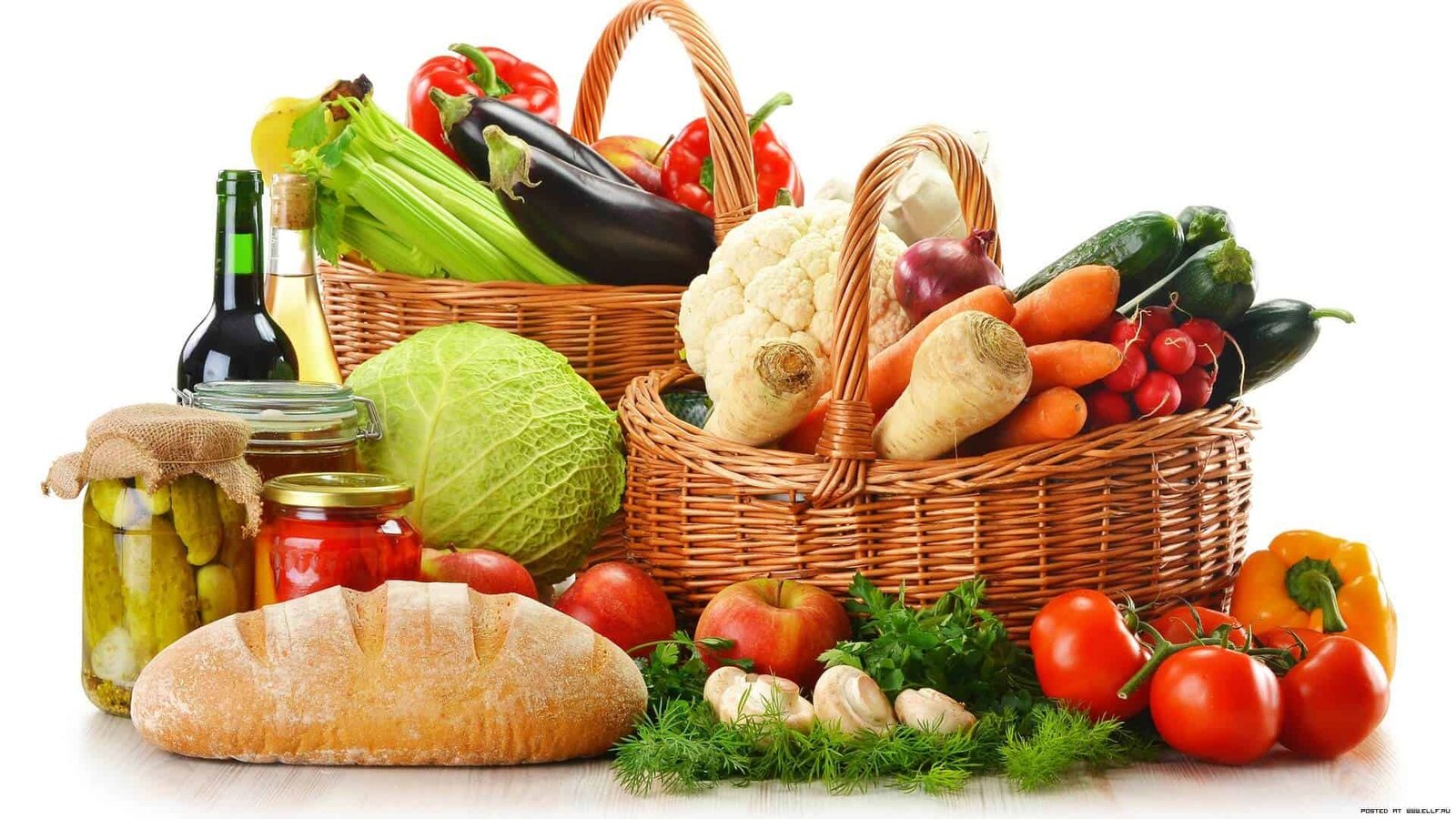
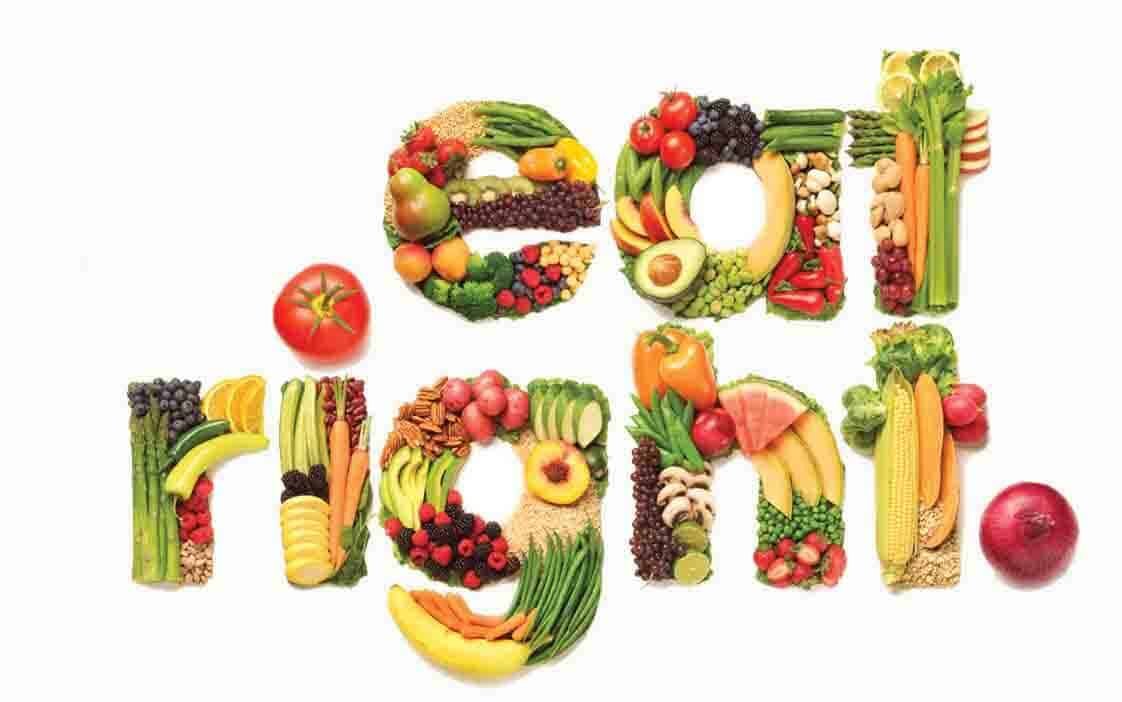
A solid nutrition and healthy eating plan includes a colorful mix of foods, and that’s not just for visual appeal — the pigmentation in fruits and vegetables is directly tied to their nutritional value. Bright, colorful fruits tend to offer the highest nutritional payoff per serving, and with vegetables, the greener and leafier the better.
“When it comes to losing weight, I also suggest that people follow a plant-strong (or plant-exclusive if possible) diet, loading up their plates with fruits, vegetables, and whole grains and cutting meat either completely or limiting meat as much as possible. When you eat mainly plants, you don’t have to worry about counting calories, as you’re filling up on foods that are naturally low in calories. The surprise? You’ll probably find that you’re actually eating higher volumes of food, but because they’re lower in calories, you should naturally begin to lose,” says Karen Asp, a journalist certified in plant-based nutrition who specializes in health and fitness writing.
All fruits and vegetables offer some nutritional value, though a handful stand out for a healthy eating plan, including broccoli, kale, blueberries, blackberries, raspberries, avocados, tomatoes, brussels sprouts, and apples.
Fruits and vegetables alone aren’t enough to cover every nutrient your bones, tissues, and organs need. A well-rounded plan pulls from multiple sources, including starchy foods like potatoes, bread, rice, or pasta; dairy or dairy alternatives; protein from eggs, beans, or lean meats; small amounts of unsaturated oils and spreads; and plenty of water throughout the day.
“Start your day with a big glass of water, and continue to hydrate with water throughout the day at meals and before meals with room temp or hot water with lemon. (Don’t drink your calories). Eat three meals a day, especially breakfast. One snack (if needed) between lunch and dinner, highest caloric meals before 2 pm, and no eating after 7 pm,” says Debbie Gisonni, a business consultant and life advisor.
What Is the Food Pyramid, and How Does It Affect Nutrition and Healthy Eating?
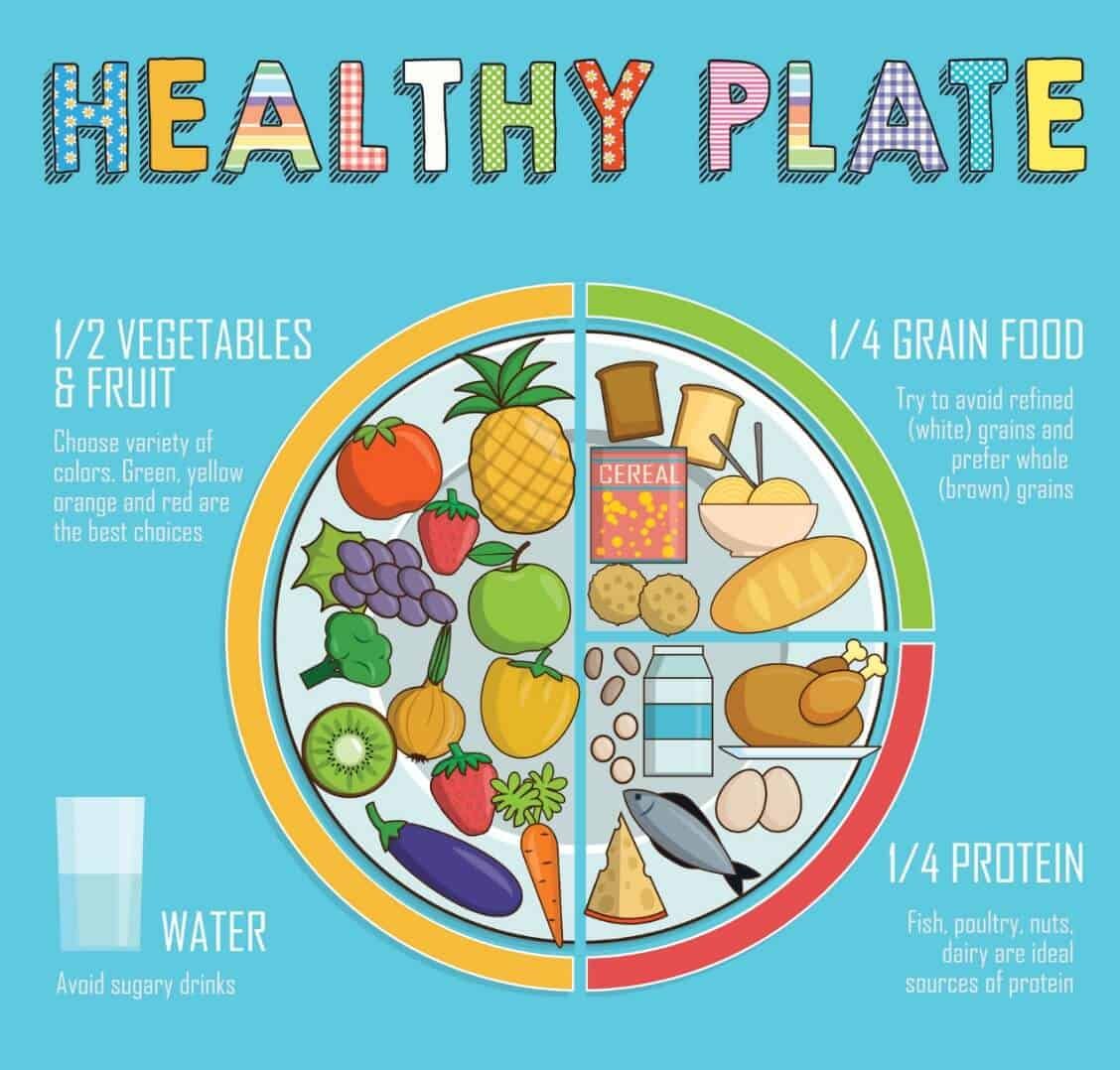
MyPlate replaced the old Food Guide Pyramid back in June 2011, serving as a simple visual guide for how many servings you should aim for from each food group.
“Incorporating something from each food group provides a balanced, nutritious meal and makes creating a healthy plate easy. When we fuel our bodies with real food containing natural goodness, they perform and feel better,” says Lori Beasley, Brand Marketing Manager at Tolerant Foods.
To give you a general sense of the guidelines: the grain group calls for around six ounce-equivalents daily, vegetables call for about 2½ cups (roughly five servings) per day, fruit recommendations land around four servings daily, dairy sits around 3 cups a day, and there’s room for 100 to 300 discretionary calories for the occasional treat.
Portion sizes matter just as much as food groups. Most recommendations fall in the half-cup to full-cup range depending on the food — a serving of cooked pasta, for example, is roughly a half cup, while dry cereal is closer to a full cup. If you’re ever unsure how many fruits, vegetables, or how much meat to include in a day, the food pyramid framework is a reliable place to check your instincts.
You’ll also hear people reference the five basic food groups recognized by the USDA and other government agencies: fruit; grains (breads, cereals, pastas, rice); dairy products (yogurt, milk, cheese); vegetables and legumes; and lean meats, poultry, and fish.
Building Proper Nutrition and Healthy Eating Habits
It’s entirely possible to eat foods generally considered “healthy” without actually getting the nutrients you need, which is exactly why the food pyramid and food group guidelines matter — the goal is a genuine combination of nutrients across the healthy foods you eat.
“To lose and manage weight, it requires more than just learning about the calories in food and what your body needs. You need to learn how to program yourself and master that part of yourself that manufactures your desires, urges, habits and feelings,” says William Anderson, LMHC, founder of The Anderson Method.
Some nutrition and healthy eating habits worth building into your everyday routine: eating unprocessed foods, choosing whole grains over refined ones, adopting healthier cooking methods like steaming instead of deep-frying, keeping portion sizes reasonable, keeping a food diary to track how well you’re sticking to your plan, eating responsibly in social situations, and making smarter choices while grocery shopping.
“It’s not always the food item but rather the way it’s consumed and the portion which is consumed PLUS the fact that we’re just not moving enough,” notes Anita Mirchandani, MS, RD, CDN.
What Nutrition and Healthy Eating Plan Actually Works?
A genuinely personalized nutrition and healthy eating plan accounts for any existing health issues, and part of that comes down to daily caloric intake.
“Even though some sources recommended that women should consume about 2,000 calories a day, many women would gain weight if they consumed that much. Calorie intake needs truly should be individualized. Small and/or older women need far fewer calories. Young/very active women can need more than 2,000,” says Christine Palumbo, RDN, FAND.
What matters just as much as calorie count is where those calories come from. You could easily hit 2,000 calories eating sugary snacks and fried food, and neither choice would be particularly nutritious. You could also fill up entirely on fruits and vegetables and still miss out on nutrients your body needs elsewhere — the same is true if you lean too heavily on protein or eliminate carbs altogether. This is exactly why diets that eliminate entire food groups tend to backfire: you might lose weight, but you’ll likely miss out on essential nutrients along the way.
A few practical tips worth keeping in mind:
- Make about a third of your plate starchy carbohydrates — whole grain versions are the better choice, and it pays to watch the sauces and extras that come with them.
- Eat five portions of fruits and vegetables daily, ideally with plenty of variety to cover a broader range of vitamins and nutrients.
- Make fish part of your regular diet — aiming for two portions a week is a reasonable target.
- Minimize saturated fat intake. Your body does need some dietary fat, but the NHS recommends capping it around 30 grams a day for men and 20 grams for women.
- Cut down on added sugar. An occasional treat is fine, but sugary foods and drinks shouldn’t be a regular fixture of your plan.
Why Is Nutrition and Healthy Eating Important?
Your body needs vitamins, minerals, protein, and energy to function and grow, which is the core reason nutrition and healthy eating matter so much. The right blend of nutrients makes it easier for your body to fend off free radicals that can damage healthy cells, and without that attention, it’s harder for your body to strike a natural balance between what’s consumed, absorbed, burned, and stored as fat — and when that balance is off, your risk for a range of health issues climbs.
“No matter where you are with your eating and lifestyle habits, there is always room for improvement. Weight management and healthy living are lifelong endeavors akin to marathons, not short sprints. Making a single change in the direction of health can have a ripple effect that can enhance your well-being across the board,” says Barbara Mendez, R.Ph., MS, a nutritionist and registered pharmacist.
Nutrition and Healthy Eating at Home
You don’t need to be a gourmet cook to make nutritious meals for yourself or your family — nutrition and healthy eating recipes, tutorials, and how-to videos are widely available online and make home cooking far less intimidating than it sounds.
Cooking at home also gives you more control over ingredients, and you can tailor recipes to your own specific health needs. Staying organized helps too — a daily planner and some basic time management can go a long way toward reducing the stress around meal planning and grocery shopping.
Certain spices carry real nutritional benefits too. According to EatingWell, chili peppers, garlic, sage, parsley, turmeric, and cinnamon all bring proven health perks along with flavor.
Cooking at home also naturally makes portion control easier, since restaurants often serve oversized portions to keep customers happy and coming back. Staying mindful in social settings takes a bit more effort but doesn’t mean giving up socializing altogether.
“Tis the season for celebrations – weddings, graduations, anniversaries and all the summer events that tend to get us in diet trouble. Before you go, create a plan for yourself and stay conscious of what you’re putting on your plate. Remember, it’s not the Last Supper! Go for the exceptional food that you can’t get just anytime. For example, steer clear of potato chips, french fries or run-of-the-mill desserts. Enjoy small tastes of what you really want. Sip water throughout the event. Eat slowly and socialize!” shares Christine M. Palumbo, MBA, RDN, FAND.
Healthy Eating Facts Worth Knowing
One of the more compelling facts about nutrition and healthy eating is how much portion size affects both how much you eat and how much nutritional value you actually get from a meal. Serving yourself larger portions, or unknowingly eating oversized restaurant portions, makes it noticeably harder to maintain the right nutritional balance. In one study of more than 300 people who were overweight, nearly 40 percent who practiced portion control for two years lost around five percent of their excess body weight.
A simple way to think about portioning: imagine filling a plate at a buffet. About a quarter should be lean protein, another quarter whole-grain or low-glycemic carbs, and the rest vegetables or salad. Dinner should generally be a bit lighter than lunch, while still following the same general mix.
Nutrition and Healthy Eating for Kids
Kids can learn the basics of nutrition and healthy eating at any age, and worksheets, downloadable resources, and interactive games built specifically for children make the topic far more approachable. Good resources for kids typically cover how to build a balanced plate, how the right food choices boost energy, and why nutrition and exercise go hand in hand.
The Benefits of Eating Healthy
Sometimes a little motivation helps. As Robert Urich put it, “a healthy outside starts from the inside.” Or as Birke Baehr said more bluntly, “pay the farmer or pay the hospital.” And Julia Child summed up home cooking well: “you don’t have to cook fancy or complicated masterpieces — just good food with fresh ingredients.”
You don’t have to overhaul your eating habits all at once. Small, sustainable adjustments tend to stick better than dramatic changes, which are more likely to send you right back to old patterns. A few habits worth adopting gradually:
Cut down on salt. According to the American Heart Association, Americans eat roughly twice the recommended amount of sodium.
Limit processed foods. Nearly 80 percent of Americans’ sodium intake comes from processed foods, so reading labels and choosing lower-sodium options makes a real difference.
Don’t skip breakfast. Research shows skipping breakfast can negatively affect both mood and energy levels throughout the day.
Talk to your doctor. A nutrition course can teach you the basics, but your doctor is best positioned to steer you toward choices specific to your own health needs.
Nutrition, Healthy Eating, and Exercise
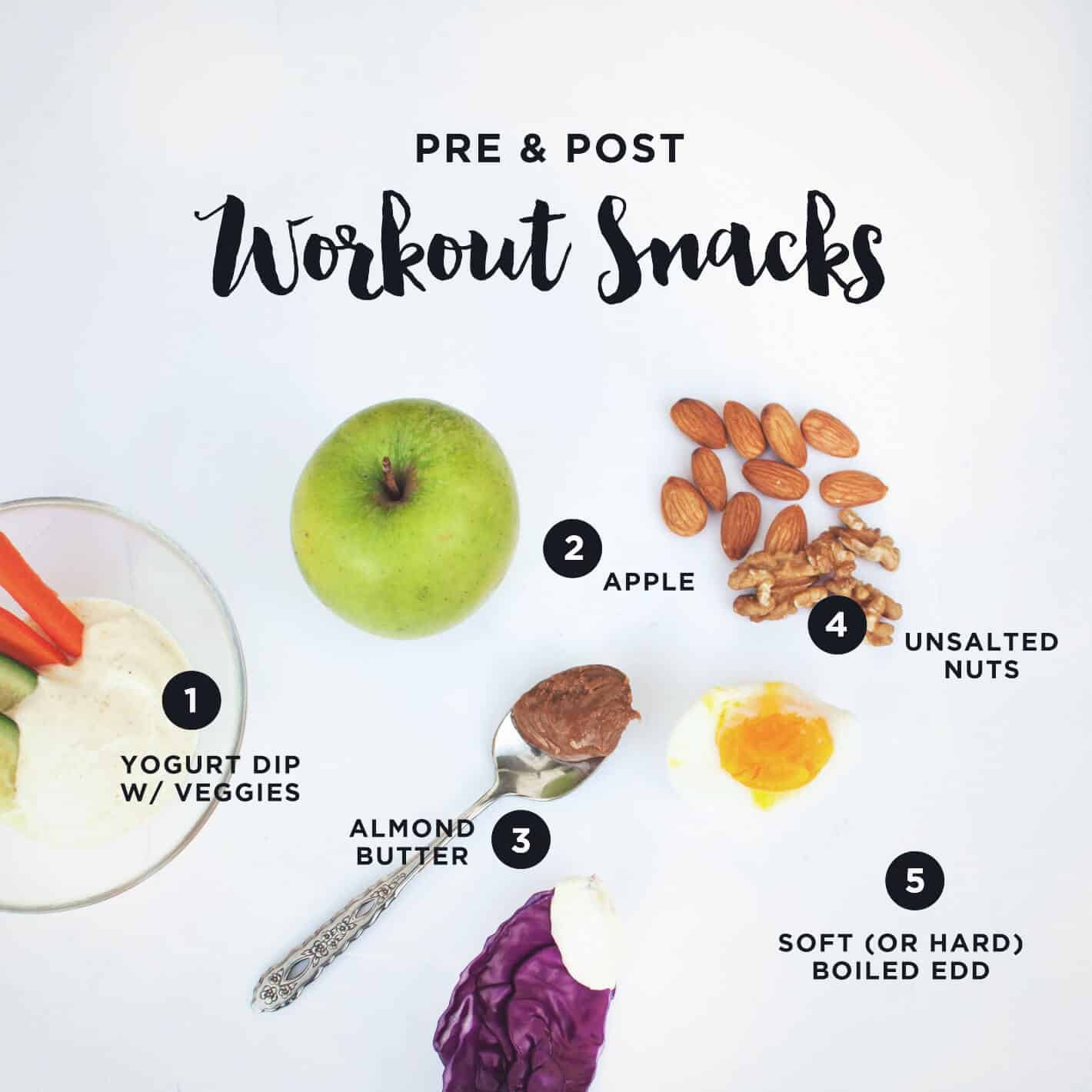
Diet alone won’t keep every part of your body functioning at its best — regular exercise plays an equally important role, largely because movement is what actually burns the calories you take in.
There’s no one-size-fits-all approach here. Nutritional needs shift with age — for example, B12 absorption declines as you get older due to reduced stomach acid, and older adults generally need more vitamin D and calcium to help prevent bone loss.
Aim for roughly 20 to 30 minutes of exercise daily, adjusting the type based on what’s comfortable and sustainable for you — water-based exercise or yoga can be great gentler options. On the eating side, gravitate toward patterns you can realistically stick with long term.
Exercise and diet are connected in a few key ways: regular exercise increases how many calories you burn, aerobic and anaerobic activity can help suppress appetite by altering hormones like ghrelin and peptide YY, and consistent exercise makes it easier to stay within a healthy weight range overall. Your body needs energy for its daily movements regardless, which is exactly why nutrition and exercise work best as a team rather than in isolation.
If your focus stays solely on food, staying within a healthy weight range gets harder over time, especially since metabolism naturally shifts with age, according to WebMD — meaning you can’t rely on diet alone indefinitely to maintain your optimal weight. Solid eating habits, paired with regular movement, give you the flexibility to adjust as your body’s needs change over the years.
The Bottom Line on Nutrition and Healthy Eating
Paying attention to nutrition and healthy eating isn’t the same thing as dieting to shed pounds. Being mindful of nutrition means consistently making choices that support your overall health — and while weight is part of that picture, it’s far from the only piece. A genuinely healthy eating and exercise plan can lower your risk for a range of diseases, and exercise itself helps put the energy from your food to productive use. If you’re not sure how to fine-tune your own approach, a conversation with your doctor, or a structured nutrition course, is a solid place to start.
Explore more Health Articles reviews and guides on our site.
For general guidance on healthy weight management, see the resources available from Mayo Clinic.