Nutrition and Diet: Food Science Experiments
A simple penny left in soda for a week reveals something real about the drink’s corrosive properties — the same acidity slowly removing tarnish from copper offers a genuine, hands-on way to understand what soda can do inside the body over time. This guide covers how food science experiments make nutrition concepts concrete. Table of […]

A simple penny left in soda for a week reveals something real about the drink’s corrosive properties — the same acidity slowly removing tarnish from copper offers a genuine, hands-on way to understand what soda can do inside the body over time. This guide covers how food science experiments make nutrition concepts concrete.
Food Science Experiments: How We Put This Guide Together
This guide compiled practical, kitchen-accessible food science experiments that make abstract nutrition concepts tangible, along with the food pyramid framework for evaluating your own diet.
Start With Your Own Diet
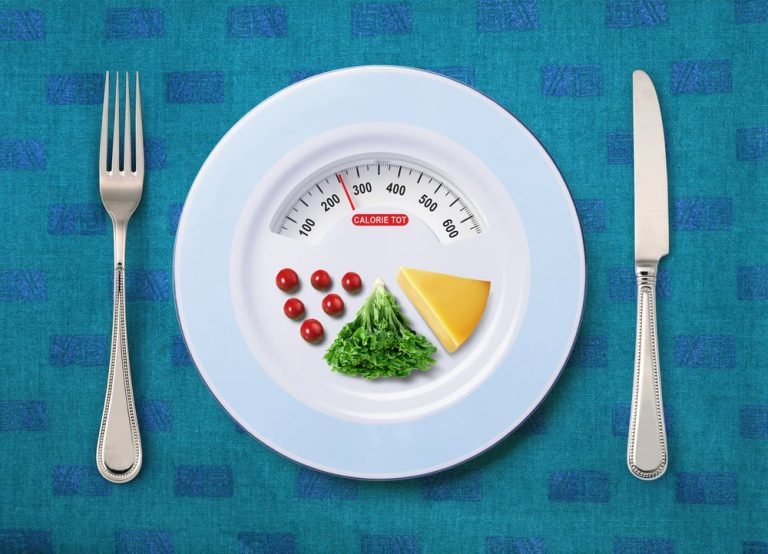
Before diving into experiments, a genuinely useful first step is comparing your actual eating pattern against the food pyramid framework: grains forming the largest base, followed by fruits and vegetables, then dairy and proteins, with fats occupying the smallest tier. Keeping a food journal for several days and comparing it against this structure reveals real, specific gaps worth addressing — a practical exercise the whole family can do together.
The Supertaster Experiment
This is a genuinely simple way to explore taste science directly: examining the tongue for papillae (taste buds) within a small marked area reveals whether someone is a non-taster, average taster, or supertaster, based on papillae density — a real, measurable biological difference between individuals.
Diet Soda and the Carbon Dioxide Reaction
Dropping mint candies into diet soda triggers a genuinely dramatic release of the carbon dioxide already dissolved in the drink — a vivid demonstration of gas solubility that also opens a real conversation about what’s actually in soda beyond the eruption itself.
Testing Soda’s Corrosive Properties
Placing a tarnished penny in a small amount of soda and observing it over a week demonstrates soda’s real acidity and corrosive potential — a concrete, visual way to consider what regularly consuming acidic beverages might mean for digestive health over time.
Fresh vs. Frozen: A Real Comparison Project
Dividing samples of fruits, vegetables, or meat into fresh and frozen groups, then conducting blind taste tests with volunteers, generates genuinely real data on whether freezing meaningfully affects taste preference — a legitimate, structured way to test a common nutrition assumption rather than just accepting it.
Testing Plastic Wrap Permeability
Covering identical bowls of food with different plastic wrap brands, then weighing them before and after a week, reveals real differences in moisture evaporation — the bowl closest to its original weight had the least permeable (most protective) wrap, a practical food-storage insight beyond the nutrition angle itself.
Turning an Experiment Into a Science Fair Project
The genuine value of a science fair project is starting from a real question — like whether fresh or frozen food tastes better, or how quickly different materials let moisture through — then designing a structured comparison, collecting real data, and analyzing the results rather than assuming an answer.
Who This Approach Works Best For
This fits students, families, or educators wanting genuinely hands-on ways to make nutrition science concrete rather than abstract. It’s especially useful for building critical thinking about food claims — testing an assumption directly tends to stick better than simply being told the answer.
Frequently Asked Questions
The Bottom Line
Hands-on food science experiments — from testing taste buds to examining soda’s corrosive effects to comparing fresh and frozen foods — turn abstract nutrition concepts into concrete, memorable demonstrations. This guide found that direct experimentation builds a more genuine understanding of nutrition than reading alone.
Explore more Healthy Diet reviews and guides on our site.
For general guidance on healthy weight management, see the resources available from the NIH.