Using Calorie Density to Lose Weight
Tracking which foods are low-density and which are high-density can genuinely help with weight loss, better habits, and long-term weight maintenance — but it starts with understanding the real difference between the two. Table of content What Is "Calorie Density"? How Does Calorie Density Support Weight Loss? Do Low-Density Foods Reduce Hunger? Does It Help […]

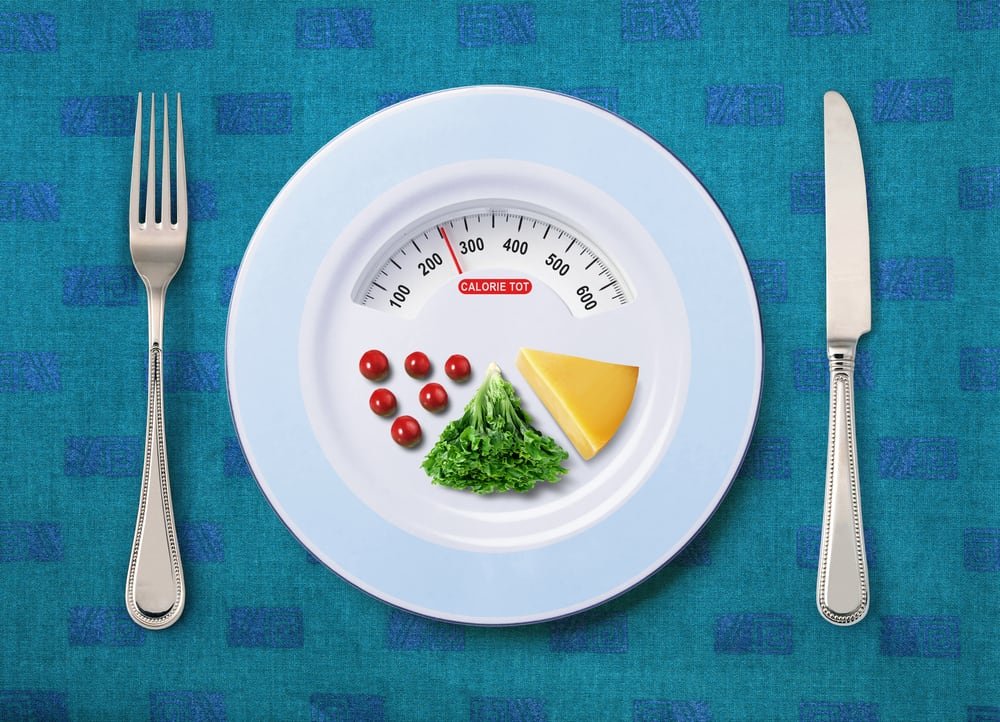
Tracking which foods are low-density and which are high-density can genuinely help with weight loss, better habits, and long-term weight maintenance — but it starts with understanding the real difference between the two.
What Is “Calorie Density”?
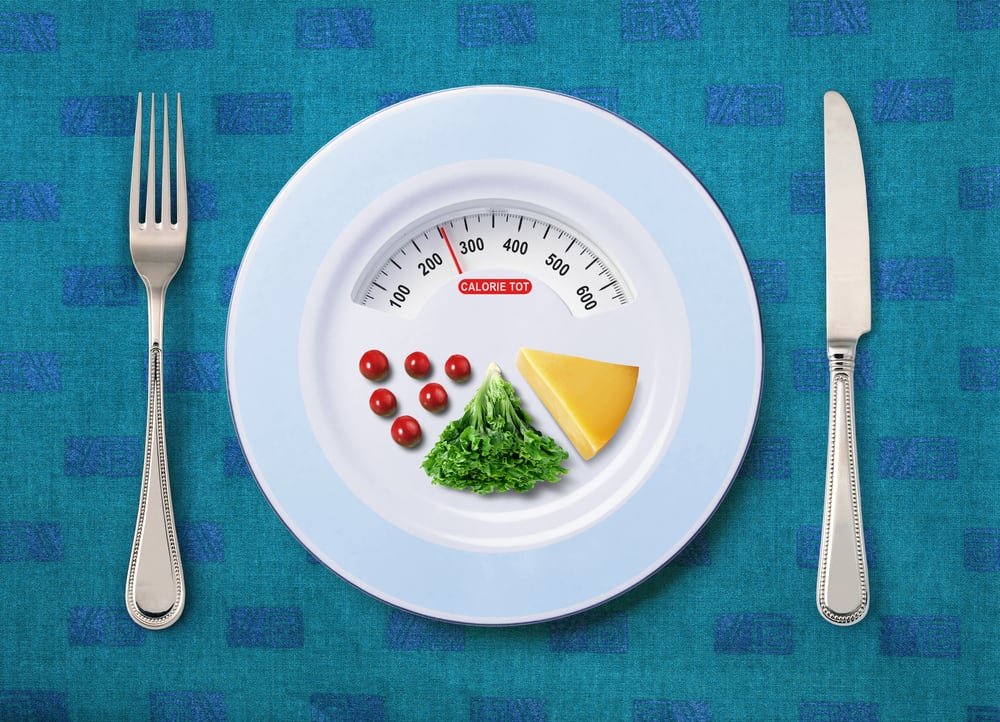
Calorie density refers to how many calories exist within a given amount of food — and many researchers consider it genuinely key to weight loss. The goal is minimizing calories per cup or serving of food.
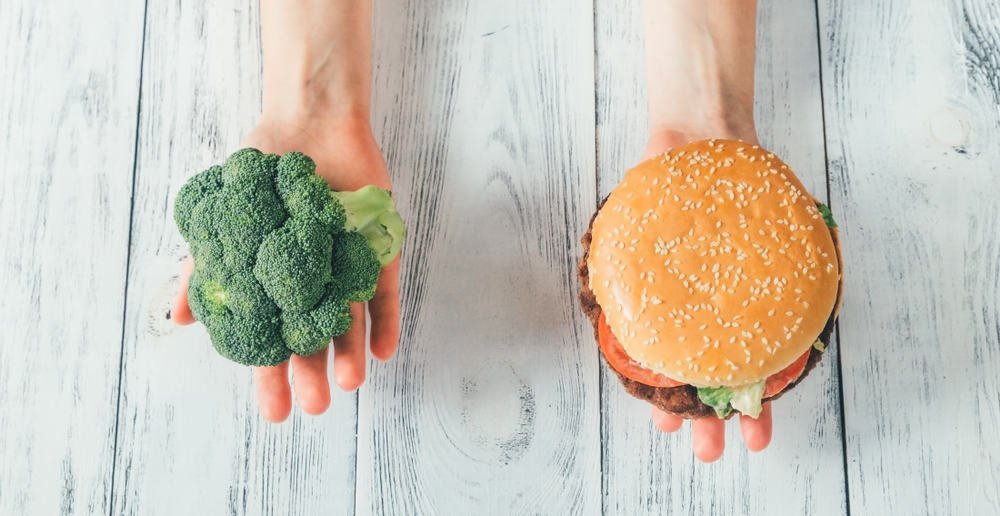
Foods with high liquid content tend to have low calorie density, delivering real fullness for relatively few calories. Interestingly, research suggests most people eat roughly the same weight of food at each meal regardless of what it is — meaning a pound of bacon delivers far more calories than a pound of broccoli, despite feeling similarly filling. That’s why filling most of your plate with low-density foods, while still allowing some moderate- or high-density options, is a genuinely smart strategy.
Calorie density is sometimes called “energy density.” A useful comparison: a cup of tomato soup runs about 60 calories, while a cup of chocolate pudding runs 120 — making soup the lower-density choice. Research in the International Journal of Obesity confirms reduced energy density genuinely supports weight loss.
That said, calorie density doesn’t automatically equal nutritional quality — the Mayo Clinic still recommends focusing on balanced nutrition (fruits, vegetables, protein, dairy) alongside calorie awareness. Research in the New England Journal of Medicine confirms most people genuinely underestimate their calorie intake — meaning self-assessment alone isn’t reliable. Liquid calories are especially easy to underestimate and, per Obesity Reviews, tend to trigger less satiety than solid food — a whipped cream serving can carry nearly as many calories as a cup of whole milk without feeling like it.
How Does Calorie Density Support Weight Loss?
The core idea is achieving satiety with fewer calories — a strategy that works with human nature rather than against it, since most people genuinely eat until full. A meta-analysis in Nutrients, covering 3,628 people ages 18-66, found a direct link between low-density eating and weight reduction.
The real benefits: eating a similar volume of food (rather than less food) reduces the feeling of deprivation; learning which foods are naturally low-density removes much of the guesswork from calorie counting; and still allowing small portions of higher-density favorites keeps a diet genuinely sustainable rather than triggering the all-or-nothing mindset that derails so many diets.
Do Low-Density Foods Reduce Hunger?
Hunger genuinely undermines dieting success, per the Journal of Nutritional Science. A study in The Journal of Nutrition found low-density eaters not only lost weight but reported fewer cravings and greater eating control.
Research comparing low- and high-calorie puddings found equal satiety despite the low-calorie group consuming meaningfully fewer calories overall — confirming low-density eating genuinely reduces total intake without triggering later overeating. Separately, drinking water with meals reduced calorie intake by 26% and lowered hunger ratings in one study, per Physiology & Behavior — a similar principle to eating water-rich foods.
Does It Help Keep Weight Off Long-Term?
Weight cycling is a real concern with many diets, but low-density eating tends to build genuinely sustainable habits, linked to successful long-term maintenance in the Journal of the American Dietetic Association. Per Healthcare, ideal weight loss should be continuous, easy to maintain, and low in energy density — criteria this approach genuinely satisfies, since it doesn’t require eliminating any food entirely, just adjusting portions of higher-density choices.
A year-long trial in the American Journal of Clinical Nutrition compared reduced fat intake alone against reduced fat plus water-rich foods — both groups lost weight, but the water-rich group reported meaningfully lower hunger and ate more fruits and vegetables overall.
How to Build a Low-Density Diet
Start by tracking calorie density and favoring foods low in calories relative to their weight — typically soups, salads, vegetables, and fruits, almost universally water-rich. Per Nutrition Bulletin, water carries zero calories per gram while fat carries nine — the spectrum between the two largely determines a food’s density.
A simple tactic: eat something water-rich (soup, salad, or a glass of water) before your main course to naturally curb portions. Since people tend to eat a consistent weight of food regardless of density, this approach genuinely reduces total calorie intake without triggering hunger later. Given how poorly people estimate calories, per Medicine and Science in Sports and Exercise, a tracking app can help build awareness early on. The goal isn’t eliminating higher-density foods entirely — just making them the minority of your plate.
Are Low-Density Foods Automatically Healthier?
Not inherently, but they do tend to overlap heavily with genuinely nutritious choices — Harvard identifies vegetables, fruits, grains, and healthy proteins as high-quality foods, while flagging snack foods, sugary drinks, and added sugar as lower-quality. Research in CMAJ confirms low-calorie eating genuinely supports weight reduction and maintenance over 5 years.
Processed foods are widely implicated in rising obesity rates, per Current Obesity Reports — added sugar, salt, and fat pack far more calories into a “reasonable”-seeming portion than whole foods. These foods aren’t inherently unhealthy, but genuinely warrant moderation rather than daily inclusion. Beyond weight, reduced calorie intake broadly is linked to longevity in both animal and human research, per Antioxidants & Redox Signaling.
Criticisms of Calorie Density for Weight Loss
Some research, including a piece in Perspectives on Psychological Science, questions whether calorie reduction always translates to weight loss, since metabolism can adapt to lower intake over time. That said, The Journal of Clinical Endocrinology & Metabolism confirms this shift is generally temporary and mainly relevant to severe obesity cases, per Obesity (Silver Spring).
Overeating remains genuinely possible even with low-density foods — the key distinction is between “low-calorie” and “low-calorie-density.” A rice cake, for example, is low-calorie but extremely light — 16 ounces would total 1,743 calories, versus just 208 for the same weight of tomato soup. Despite these caveats, calorie density remains one of the most effective, easy-to-maintain weight-loss strategies available, with genuinely fewer downsides than restrictive fad diets like keto, which can leave people nutritionally deficient, per StatPearls.
Foods Low in Energy Density
- Fruits: apples, oranges, bananas, berries
- Vegetables: broccoli, lettuce, zucchini, squash
- Whole grains: quinoa, sorghum, rye, corn
- Beans: peas, lentils
Foods High in Energy Density
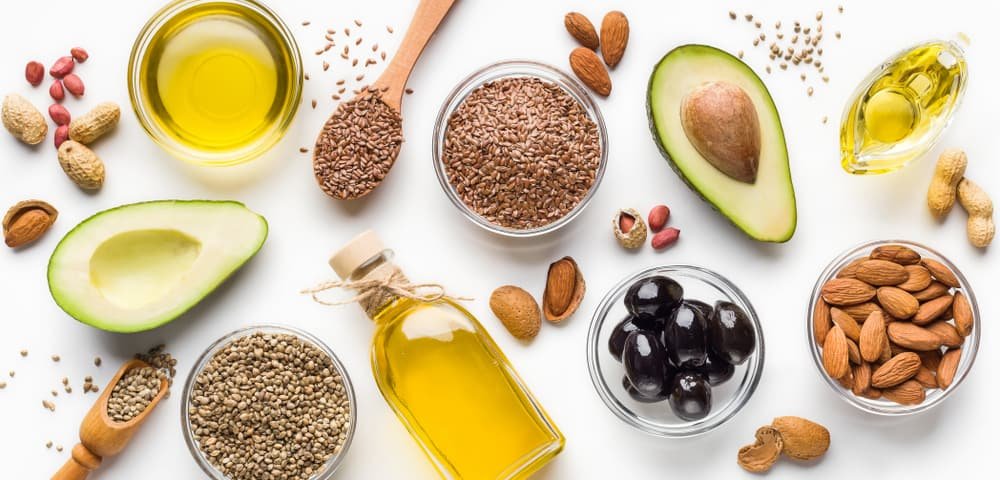
- Peanut butter and nuts (almonds, cashews)
- Cheese
- Eggs
- Avocados
These aren’t unhealthy foods — they’re genuinely nutrient-rich, offering real protein and healthy fats — they simply warrant more mindful portioning than low-density staples.
Conclusion: Using Calorie Density for Weight Loss
Focusing on low-calorie-density foods, rather than simply low-calorie foods, offers a genuinely more sustainable path to lasting satiety and weight loss. It’s not a complete solution on its own — overeating remains possible — but paired with balanced nutrition, it provides a genuinely solid foundation for long-term, comfortable weight management. Start by adding more water to your routine, then build meals around fruits, vegetables, and salads before the main course — a simple shift that can meaningfully curb overeating without added stress.
Explore more Health Articles reviews and guides on our site.