Low Carb Foods That are Tasty and Healthy
Let’s take a closer look at low carb foods and what it genuinely offers. Table of content How We Researched This Guide Low Carb Foods: Why This Approach Works Low-Carb Foods From the Pasture Low-Carb Foods From the Sea Building a Real Low-Carb Plate Who Benefits Most From Low Carb Foods Frequently Asked Questions The […]


Let’s take a closer look at low carb foods and what it genuinely offers.
Research directly shows lowering carbohydrate intake produces better weight-loss results than reducing fat — a real, specific finding worth knowing before defaulting to a low-fat approach. This guide covers real low-carb foods across the major food categories, with actual net carb counts.
How We Researched This Guide
This guide compiled real net-carb data across meat, seafood, and other whole-food categories, based on published nutrition research on low-carb eating for weight loss.
Low Carb Foods: Why This Approach Works
Research in Obesity confirms a lower-carbohydrate diet genuinely reduces hunger, which naturally decreases calorie intake. It’s also worth knowing that fiber-containing carbs aren’t broken down the same way — they don’t count the same toward your effective carb total, per research in the American Journal of Clinical Nutrition.
Low-Carb Foods From the Pasture
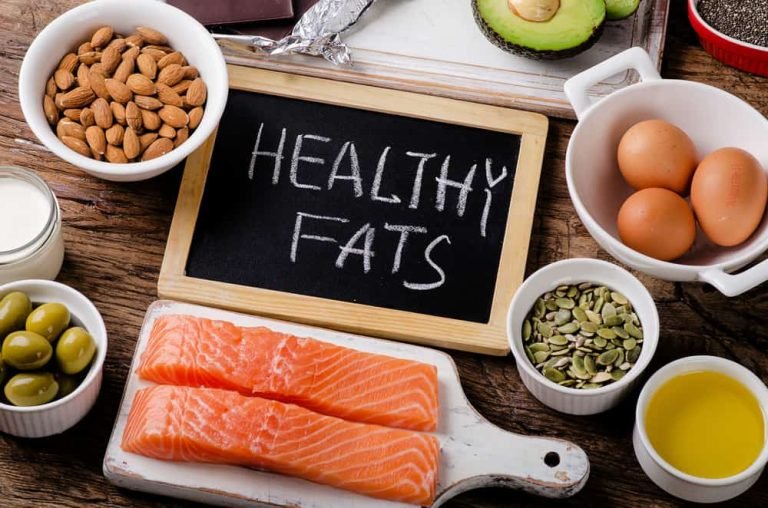
Chicken, beef, pork, and turkey are all genuinely zero-net-carb foods — even most bacon has no carbs (flavored varieties are the exception). Beef delivers real iron and B12 that’s harder to find elsewhere. Whole eggs come in under 1 net carb each, with real, complete nutrition (13 nutrients, 6g protein per egg).
Low-Carb Foods From the Sea
Trout, salmon, tuna, and sardines are all genuinely zero-net-carb, with real omega-3 fatty acid content. Salmon specifically delivers real selenium and B12 alongside its heart-healthy fats. Tuna’s real mercury content means limiting intake to about 14 ounces weekly is a genuinely sensible precaution.
Building a Real Low-Carb Plate
Combining these zero-carb proteins with genuinely low-carb vegetables creates a real, sustainable eating pattern — research confirms whole, nutritious low-carb foods genuinely support weight loss when eaten consistently.
Who Benefits Most From Low Carb Foods
This fits anyone following or considering a low-carb approach who wants real, specific food options with verified carb counts, rather than guessing which foods actually fit.
Frequently Asked Questions
The Bottom Line
Real, whole-food low-carb options span meat, poultry, and seafood, each with genuinely verified zero or near-zero net carb counts. This guide found that building meals around these real options makes sustained low-carb eating genuinely practical.
Explore more Healthy Diet reviews and guides on our site.
Frequently Asked Questions
For general guidance on healthy weight management, see the resources available from the NIH.