Seagan Diet: Is This Diet Healthy?
Something fishy is going on in the wellness world, and it’s making waves as a new go-to approach for sustainable, satisfying, and healthy eating. Known as the seagan diet — a blend of “seafood” and “vegan” — it’s built for people who can’t, or simply don’t want to, go fully vegan, but still want the […]

Something fishy is going on in the wellness world, and it’s making waves as a new go-to approach for sustainable, satisfying, and healthy eating. Known as the seagan diet — a blend of “seafood” and “vegan” — it’s built for people who can’t, or simply don’t want to, go fully vegan, but still want the nutritional upside of a largely plant-based diet. Others find it a useful stepping stone on the way to going fully vegan down the road.
What Do Seagan Diet Followers Eat?
This colorful, nutrient-packed eating style centers on fruits, vegetables, legumes, nuts, seeds, and grains, plus all varieties of seafood. Off the table entirely: red meat, pork, poultry, eggs, and dairy. Worth noting — seagans shouldn’t be confused with pescatarians, who typically still eat dairy and often eggs.
That said, it’s entirely possible to be an overweight, unhealthy seagan despite the healthy-sounding label. Oreos, French fries, potato chips, fried fish, sugary “ice creams,” and other junk foods can technically be vegan or seagan-friendly, but they can still pack on pounds and contribute to serious health issues. Everyone deserves a treat now and then, but the goal should be eating clean, whole foods as often as possible.
The Seagan Diet and the Magic of Omega-3
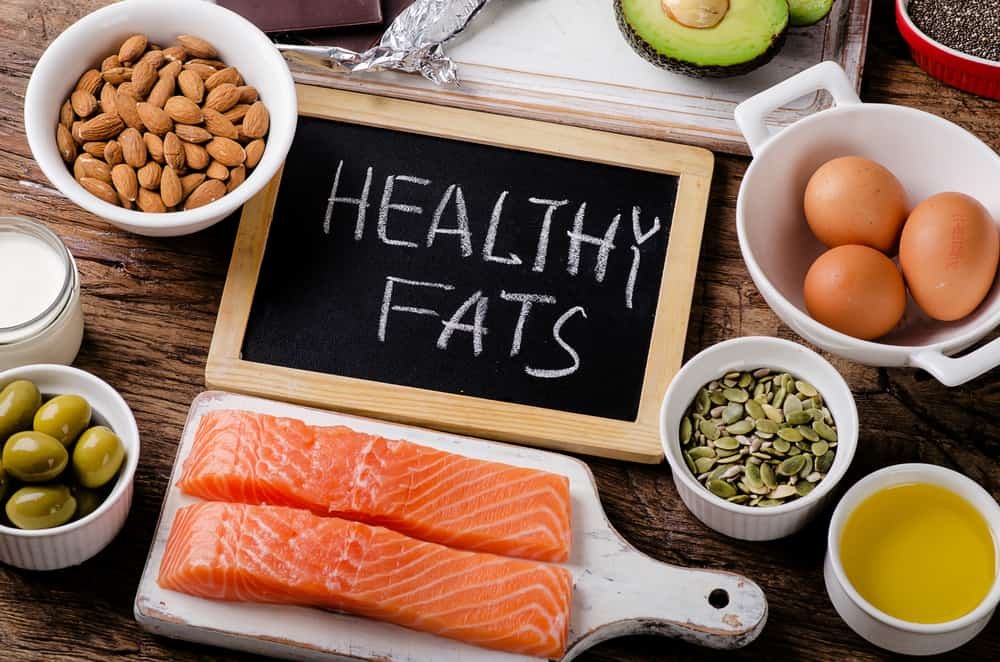
What makes a seafood-plus-vegan diet stand out compared to, say, a chicken-plus-vegan approach? The right kind of fish delivers a genuinely impressive dose of omega-3 fatty acids the body needs to grow and function well.
The American Heart Association recommends at least two servings of fish per week, ideally fatty varieties like sockeye salmon, Arctic char, Atlantic mackerel, rainbow trout, and mussels.
While plant sources like flaxseed do contain omega-3s, the vegetarian form is a precursor omega-3 (ALA) that’s less efficient and harder for the body to absorb than the EPA and DHA found in seafood. Beyond omega-3s, fish also brings real value to the table on its own — it’s low in saturated fat, high in protein, and loaded with vitamins and minerals.
Before you get too hooked on the idea, though, there’s a catch worth understanding.
Fish Is Fraught
Our oceans, and the plant and wildlife within them, are genuinely under strain. Pollutants contaminate the water and eventually make their way into fish (and us). Seafood populations are declining due to overfishing. Ocean floors and reefs are damaged by destructive fishing methods like bottom dredging. Bycatch — where marine life such as turtles and birds get unintentionally caught while fishing for other species — carries its own devastating toll. Farmed fish are often raised on pesticides, antibiotics, and dye-infused feed pellets (which is part of why farmed salmon has that distinctly “healthy” pink hue), and many fish farms damage the surrounding ecosystem. Imported fish, meanwhile, aren’t always held to the same health and cleanliness standards as domestic seafood.
That’s why seeking out the “right” fish matters — plentiful, caught in an eco-friendly way, and relatively free of contaminants. Sounds like a lot of work, but a few practical tips make it easier.
Size Definitely Matters
Small fish near the bottom of the food chain — anchovies, sardines, herring — are more plentiful, grow faster, and carry fewer contaminants, making them both sustainable and healthy choices.
Larger predators higher up the food chain — think albacore tuna, swordfish, and king mackerel — absorb toxins and pollutants from everything they eat, which then accumulates in their flesh over time. Consumed in high amounts, that buildup can be harmful to humans, so it’s worth keeping intake of these species in check.
Domestic Rules
Fish caught in American waters tend to be a more environmentally sustainable choice than imported varieties, since the U.S. enforces fairly strict regulations that aren’t always mirrored elsewhere. If you live near a lake, river, or ocean, eating local catches whenever possible is a smart habit.
Shop at a Reputable Fish Market
Whether you’re at a grocery store or a neighborhood fish market, the person behind the counter should genuinely know their stock — what’s locally caught or freshest today, whether a species is endangered, and whether it’s wild-caught or farm-raised. It’s also worth trusting your nose: a fish counter shouldn’t smell overtly “fishy,” which can signal decay. A clean, briny, ocean-like scent is what you’re after.
Stay Informed
The state of our oceans and fisheries shifts constantly as conservation efforts move forward (or stall), and which fish make the “sustainable” list can change over time. Resources like the Environmental Defense Fund’s Seafood Selector and the Monterey Bay Aquarium Seafood Watch are excellent tools for staying current, offering best-and-worst lists, downloadable guides, and smartphone apps.
Seagan Diet: A Few Good Catches
Some excellent choices that check the boxes for both health and sustainability include anchovy, Arctic char, black cod, domestic farm-raised catfish, haddock, Atlantic mackerel, farmed rainbow trout, wild-caught Pacific salmon, Alaskan king crab, and most shellfish. Your local fishmonger or one of the resources above can point you toward more good options.
A Few Bad Catches
Species worth avoiding due to overfishing, heavy mercury loads, or other concerns include Chilean sea bass, Atlantic cod, grouper, imported king crab, king mackerel, orange roughy, Atlantic salmon, imported shrimp, swordfish, and Atlantic bluefin tuna.
The Bottom Line on the Seagan Diet
Seagan eating can open the door to a genuinely wide diversity of food options and dishes that delight the palate, while still leaning heavily plant-based. As with any diet involving specific food restrictions, it’s always worth checking with your primary care physician first to make sure the approach is a good fit for your individual health needs.
Explore more Health Articles reviews and guides on our site.