Gluten-Free Diet Guide: 3 Real Facts to Know First
Gluten hides in more places than most people expect — not just bread and pasta, but salad dressings, sauces, and seasonings where it lends structure without any detectable taste or smell. This guide covers what a genuinely sustainable gluten-free diet looks like, beyond just avoiding the obvious foods. Advertisement Table of content What Is Gluten, […]

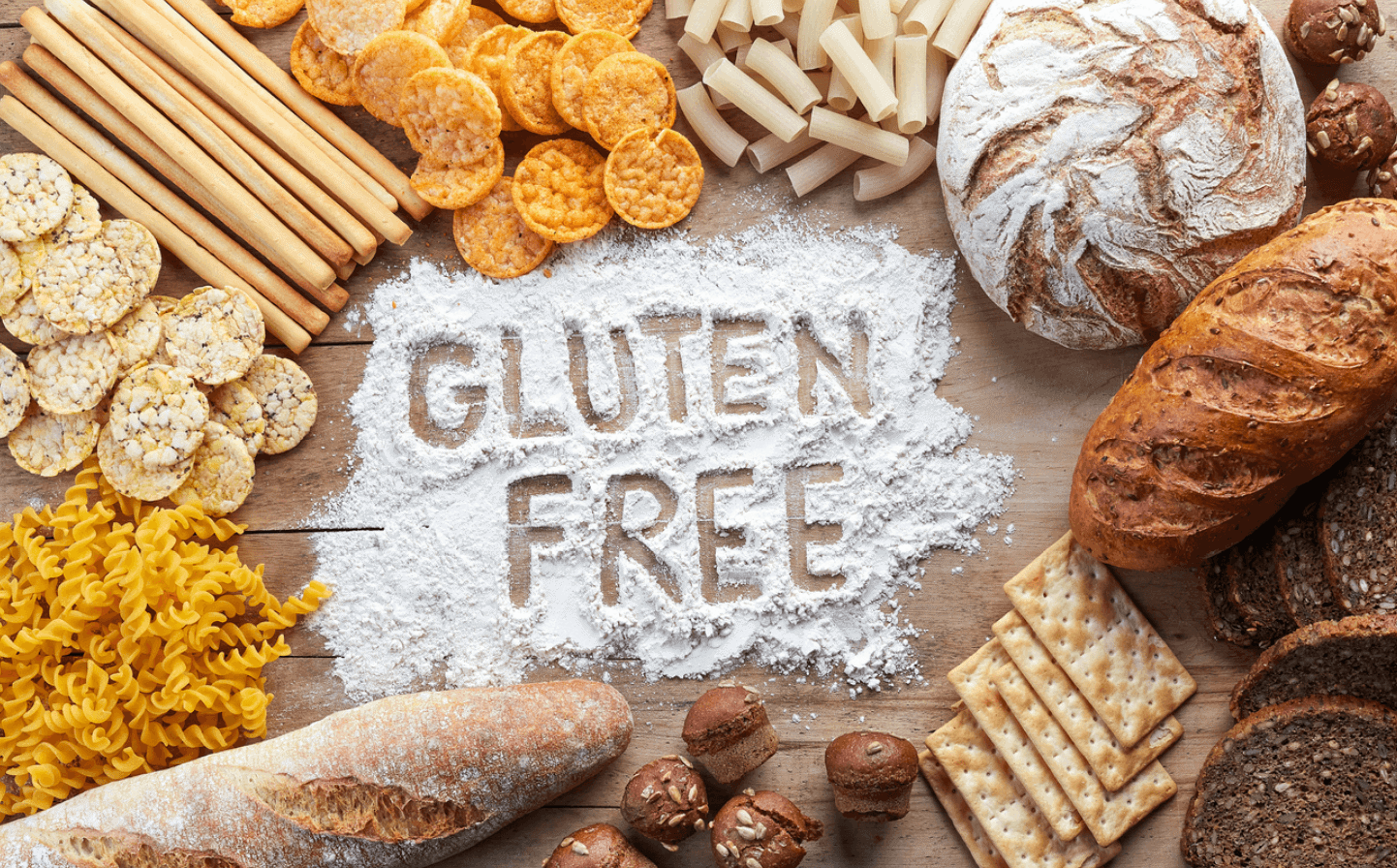
Gluten hides in more places than most people expect — not just bread and pasta, but salad dressings, sauces, and seasonings where it lends structure without any detectable taste or smell. This guide covers what a genuinely sustainable gluten-free diet looks like, beyond just avoiding the obvious foods.
What Is Gluten, and Why Avoid It?
Gluten is a protein found in wheat, oats, rye, barley, and spelt, giving foods their structure and chewy texture. For people with gluten sensitivity, exposure can trigger real symptoms — severe fatigue, headaches, and significant gastrointestinal upset. Adopting a gluten-free diet is a genuine, effective way to manage these symptoms for people affected.
Where Gluten Actually Hides
Beyond obvious sources like bread, baked desserts, crackers, cereals, pastas, and soups, gluten frequently hides in less expected places — salad dressings, sauces, and seasonings are common culprits worth checking labels on carefully. When eating homemade food prepared by others, asking directly about ingredients is a reasonable and necessary habit.
What You Can Actually Eat
A gluten-free diet doesn’t mean a restricted diet — genuine substitute grains include quinoa, corn, rice, teff, and tapioca, and some oats are certified gluten-free. Build meals around an abundance of fresh fruits and vegetables for essential vitamins and minerals, plus meats, poultry, fish, eggs, dairy, and beans, all naturally gluten-free.
Making the Transition Manageable
The early adjustment period often feels restrictive because familiar staples — sandwiches, pasta, cereal — suddenly require substitution. Reframing the mindset from “what I can’t eat” to “what I can eat” genuinely helps with long-term adherence, and connecting with others following gluten-free diets provides real support and menu inspiration during the transition.
A Note on Gluten-Free Weight-Loss Products
Some weight-loss products, like Almased and Vi-Shape, market themselves as gluten-free — worth verifying directly and watching for any reported side effects, since some users report digestive reactions even to products labeled gluten-free.
Meal Ideas Across the Day
Breakfast options include gluten-free oatmeal, egg-based dishes, and smoothies built around naturally gluten-free fruits and dairy. Lunch can center on rice- or quinoa-based bowls, salads with gluten-free dressings, and gluten-free wraps. Dinner has the most flexibility — most proteins paired with rice, quinoa, or it pasta alternatives work well. For baked goods and desserts, almond and coconut flour-based recipes have become widely available as it baking has matured significantly in recent years.
Reading Labels Effectively
Grocery stores now stock substantially more it products than even a few years ago, reflecting genuine food-industry investment in this category. Still, label-reading remains essential — “wheat-free” doesn’t automatically mean it (rye and barley still contain gluten), so look specifically for “certified it” labeling for the most reliable guarantee.
Who a Gluten-Free Diet Actually Makes Sense For
This fits people with diagnosed gluten sensitivity, celiac disease, or wheat allergy who need genuine dietary elimination for health reasons. It’s less clearly necessary for people without gluten sensitivity, who won’t see the same symptom relief and may find the diet an unnecessary restriction without a specific medical reason.
Gluten-Free Diet: Frequently Asked Questions
The Bottom Line on Going Gluten-Free
A it diet requires real diligence around label-reading and ingredient awareness, but it’s genuinely manageable with today’s expanded product options and recipe resources. For anyone with real gluten sensitivity, the health benefits are substantial enough to make the adjustment period worthwhile.
For general guidance on healthy weight management, see the resources available from Mayo Clinic.