Contrave Review: 6 Critical Facts to Know
Table of content How We Researched This Contrave Review Contrave Review: What Is It? What the Clinical Research Actually Shows Side Effects and Serious Warnings Legal and Regulatory History Who Contrave Actually Makes Sense For Cost How Contrave Compares to OTC Alternatives Contrave Review: Frequently Asked Questions How much weight can you realistically lose on […]

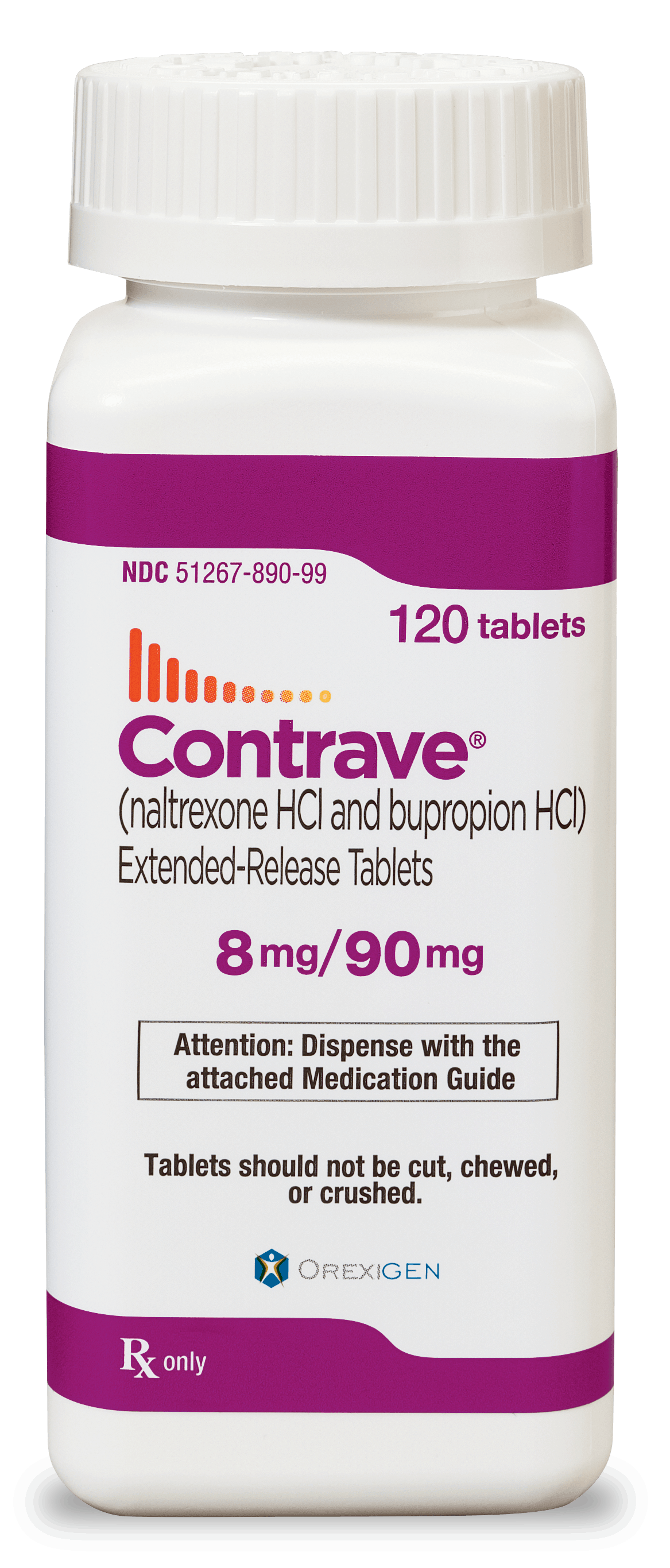
Contrave is one of the few products in this category that’s actually FDA-approved — a prescription combination of naltrexone and bupropion designed to work on the brain’s appetite and reward systems. This Contrave review looks at what the clinical trial data actually shows, since “FDA-approved” and “dramatically effective” turn out to be two different things here.
window.lightweightNewsPushAd(document.currentScript.previousElementSibling);
How We Researched This Contrave Review
This Contrave review draws on the FDA approval and warning-letter record, peer-reviewed clinical trial data, and on-the-record commentary from independent physicians (not affiliated with the manufacturer) who’ve evaluated the drug’s real-world weight-loss magnitude specifically.
Contrave Review: What Is It?
Contrave combines two existing drugs — bupropion HCl (an antidepressant/smoking-cessation aid) and naltrexone HCl (used for alcohol and opioid dependence) — repurposed to target appetite regulation and the brain’s dopamine reward response to food. It’s prescribed for adults with a BMI of 30+ or 27+ with a weight-related medical condition, and was FDA-approved in September 2014. Ownership has changed hands several times, most recently to Currax Pharmaceuticals in 2019.
What the Clinical Research Actually Shows
- Clinical Obesity found a significant share of participants at the full 32mg/360mg dose lost weight — but nausea was a common accompanying issue.
- Diabetes & Metabolism Journal reported an average 25-pound loss over six months when combined with a structured weight-management program.
- Dr. Pieter Cohen, assistant professor of medicine at Harvard Medical School, offered a pointed counterpoint: “We’re talking about a minimal amount of weight loss — only over 4 percent in clinical trials. So if you’re 225 pounds, we’re talking about losing less than 10 pounds if you took this for an entire year… you would very likely gain the weight right back” if you stopped.
Side Effects and Serious Warnings
This is the part that separates Contrave from over-the-counter competitors: bupropion carries an FDA boxed-warning-level concern around suicidal thoughts or unusual behavior changes. More common side effects include dry mouth, headache, dizziness, constipation, diarrhea, nausea, and sleep issues — and per Federal Practitioner, nearly 1 in 4 clinical trial participants stopped taking it due to side effects, mostly nausea.

Legal and Regulatory History
In September 2020, the FDA issued a warning letter to Currax Pharmaceuticals over misleading advertising about Contrave’s risks and efficacy — a separate May 2017 warning letter had flagged similar concerns with a TV ad under the previous owner. Original manufacturer Orexigen also filed for Chapter 11 bankruptcy in March 2018, shortly before a securities-fraud lawsuit alleging the company withheld failed clinical trial results.
Who Contrave Actually Makes Sense For
Contrave fits people with a BMI of 30+ (or 27+ with a related condition) who’ve already tried diet and exercise, are prepared for a long-term commitment (the weight loss tends to reverse if you stop taking it), and can tolerate the nausea risk during the dose-titration period. It’s a poor fit for anyone hoping for dramatic results — the realistic outcome is single-digit percentage weight loss, not a transformation — and it requires a doctor’s prescription and ongoing monitoring, unlike the over-the-counter options in this category.
Cost
Contrave runs roughly $55–$200 per month depending on insurance coverage and dosage; the manufacturer’s savings card can bring pharmacy pricing down to about $114.99/month, or $99 through home delivery, for those without insurance coverage.
How Contrave Compares to OTC Alternatives
Unlike over-the-counter options, Contrave’s ingredients (bupropion, naltrexone) are established prescription drugs with real regulatory oversight — that’s a meaningful difference from proprietary-blend supplements. If a prescription route isn’t accessible or desired, our Alli review and Lipozene review both cover FDA-regulated or well-studied over-the-counter alternatives with very different mechanisms (fat-blocking and fiber-based, respectively) worth comparing against Contrave’s appetite/reward-system approach.
Contrave Review: Frequently Asked Questions
Contrave Review: The Bottom Line
Contrave stands apart from most products in this space by actually being FDA-approved with real clinical trial data — but that data shows modest results (roughly 4–5% body weight) with a real nausea burden and serious warning-label risks tied to bupropion. It requires a long-term commitment, a doctor’s prescription, and realistic expectations. This Contrave review lands on cautious approval: legitimate for the right candidate under medical supervision, not a dramatic fix.