Complete Guide to Vegetarian Protein Sources
Plant-based diets have surged in popularity over the past decade. Longtime vegans and vegetarians remember when the most exciting meat-free menu option was a side of fries — but growing environmental concern and mounting research on plant-based protein have transformed the landscape entirely. Table of content A Brief History of Plant-Based Diets What Is ? […]

Plant-based diets have surged in popularity over the past decade. Longtime vegans and vegetarians remember when the most exciting meat-free menu option was a side of fries — but growing environmental concern and mounting research on plant-based protein have transformed the landscape entirely.
Diving into vegetarian eating is genuinely easier than it used to be. Food options have expanded dramatically, and reliable guidance is far more accessible — creating delicious, protein-rich, nutrient-dense meals is a much simpler task today than it was even ten years ago.
A Brief History of Plant-Based Diets
Vegetarianism is far from a modern trend — it dates back thousands of years. Pythagoras and Socrates, two of history’s earliest documented vegetarians, advocated for “benevolence among all creatures” around 500 B.C.E. Eastern religions including Hinduism, Jainism, and Buddhism have embraced plant-based eating for centuries.
The first vegetarian society formed in England in 1847, with an American counterpart following three years later. The term “vegan” wasn’t coined until 1944, when Donald Watson used it to distinguish those avoiding all animal products from those still consuming dairy. His newsletter started with 25 subscribers — by his death in 2005, Britain counted over 250,000 vegans, with two million more in the U.S.
The commercial rise of plant-based “meats,” milks, and cheeses has been dramatic — by 2020, the plant-based meat market alone was valued at $20 billion and continues climbing.
What Is Protein?
Protein is one of three core macronutrients, alongside fats and carbohydrates, essential for a healthy, energetic body and mind. It’s present in every muscle, tissue, and fiber — the human body contains over ten thousand distinct proteins, built from amino acids.
Of the roughly 20 amino acids that make up proteins, nine are “essential” — meaning the body can’t produce them and must obtain them through food: leucine, threonine, valine, methionine, lysine, tryptophan, isoleucine, histidine, and phenylalanine. Animal proteins conveniently contain all nine in one source, which is part of why meat is often the default association with protein — but assembling all nine through a varied plant-based diet is genuinely straightforward, requiring little extra thought.
How Much Protein Is Enough?
Individual protein needs depend on age, weight, and activity level — and increasingly, research shows the amount matters less than what it’s paired with and how well it’s absorbed. Per the Journal of the International Society of Sports Nutrition, roughly 0.36g of protein per pound of body weight is the average suggested minimum, though this assumes adequate gut enzyme health for proper absorption, per JISSN. Many health professionals consider this baseline too low, with real evidence favoring higher intake even for non-athletes — particularly during illness recovery or injury.
A study in the Human Kinetics Journals found no meaningful difference in muscle-building outcomes between animal protein and isolated soy protein — confirming the real question isn’t plant versus animal source, but whether the body can efficiently process what’s available. Protein demand rises under physical stress — breastfeeding, athletic training, illness recovery — and protein also drives enzymatic functions like digestion, muscle contraction, and hormone signaling, plus structural roles via keratin, collagen, and elastin.
Which Plant-Based Foods Contain Protein?
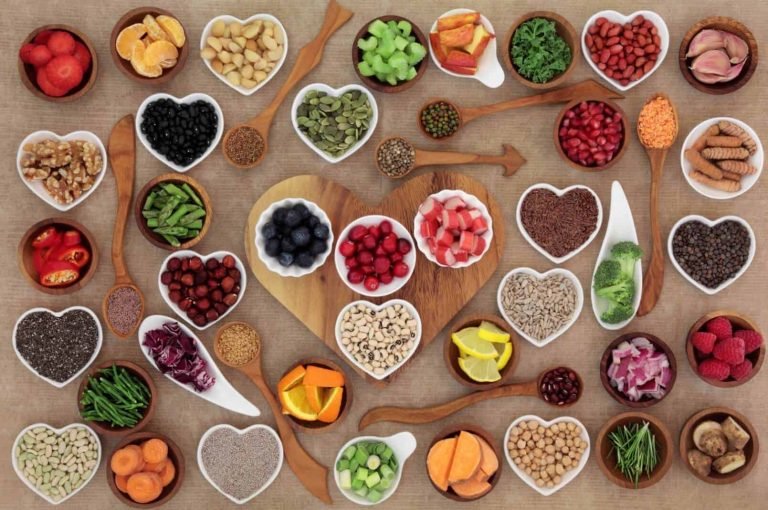
Nearly every edible plant contains some protein — even gorillas build remarkable strength on a diet of grass and leaves. For humans, certain plant foods offer a genuinely strong protein punch:
Legumes
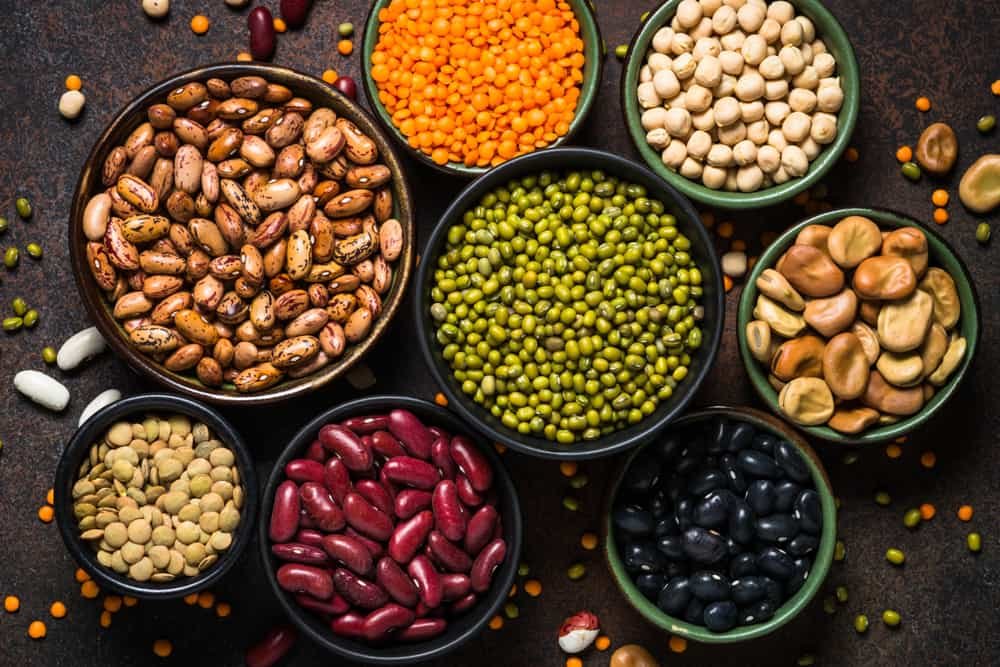
Widely considered among the best vegetarian protein sources. Tempeh (fermented, compressed soybeans) delivers 43g of protein per cup — nearly matching a cup of steak at 45g — while tofu offers about 22g per cup. Legumes are typically rich in most essential amino acids, missing mainly methionine, easily supplemented with grains.
Per cooked cup: lentils (18g, complete when sprouted), edamame (17g, complete protein), adzuki beans (17g), navy beans (15g), kidney beans (15g), pinto beans (15g), chickpeas (15g), lima beans (15g), black-eyed peas (13g), green peas (9g).
Nuts
Rich in protein plus healthy fats essential for brain and muscle function. Per cup: peanuts (38g — technically a legume, with a notably low glycemic index per Nutrition Bulletin), almonds (30g, most nutrient-dense with skin on, per The Journal of Nutrition), pistachios (24g, rich in B6 and potassium per Nutrients), cashews (20g, magnesium-rich per Nutrients), Brazil nuts (19g, exceptionally high in selenium per Food Research International), and walnuts (18g, rich in heart-healthy omega-3 and omega-6 fats per the Journal of Nutrition).
Grains
Among humanity’s earliest cultivated foods, per Science, with protein concentrated mainly in the germ. Seitan (made from vital wheat gluten) stands out with up to 56g per cup, though it’s dense and can be harder to digest for some.
Per cooked cup: triticale (25g), teff (20g), wheat germ (12g), spelt (11g), amaranth (9g), quinoa (8g, a complete protein), buckwheat (6g, gluten-free and complete per the Journal of Nutrition), bulgur (6g), oats (6g), millet (6g), brown rice (5g), barley (4g).
Seeds
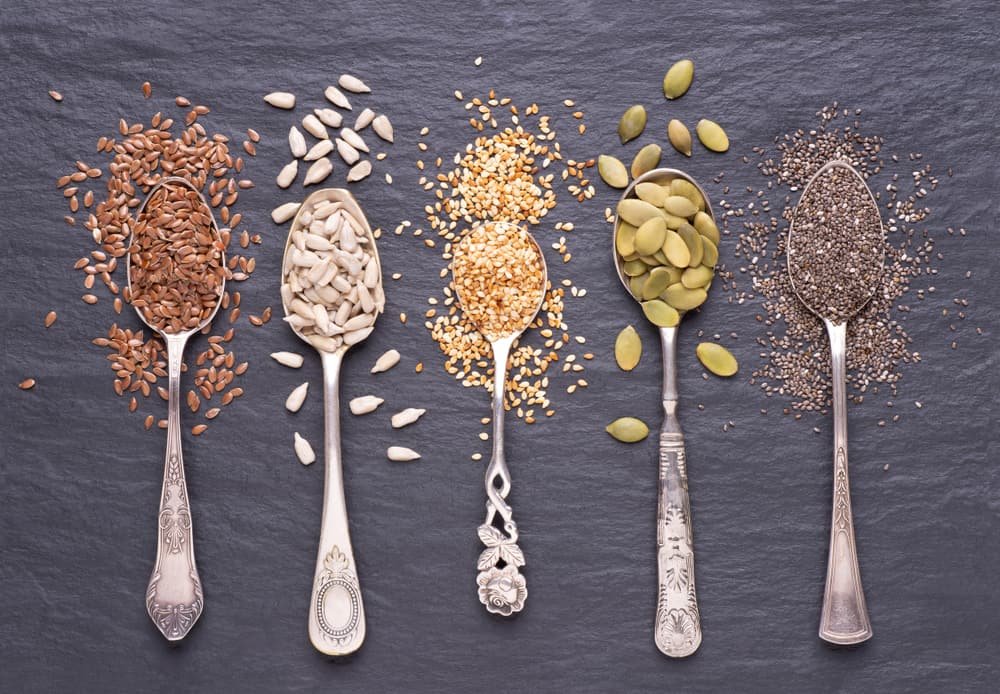
Genuinely nutrient-dense, packing meaningful protein into a small serving. Per cup: pumpkin seeds (56g), hemp seeds (53g, a complete protein rich in omega-3 and omega-6 per Euphytica), sunflower seeds (46g), flax seeds (42g), sesame seeds (40g), chia seeds (32g, complete it), pine nuts (20g).
Vegetables
Beyond vitamins and minerals, vegetables offer a surprising it bonus. Per cup: spinach (7g, rich in iron and vitamins A, C, K1, B9), corn (6g), mushrooms (6g, with mycoit delivering 17g), collard greens (4g), Brussels sprouts (4g), asparagus (4g), artichokes (4g per medium artichoke), broccoli (3g), kale (3g).
Fruits
Not a primary it source, but a genuinely useful supplement — especially for those craving something sweet. Per cup: goji berries (18g dried), sun-dried tomatoes (8g), guava (4g, with nearly double the vitamin C of an orange), avocado (3g, potentially aiding nutrient absorption per the Journal of Nutrition), jackfruit (3g), kiwi (2g), apricots (2g dried), blackberries (2g).
Other Plant-Based Protein Sources
Spreads and Milk
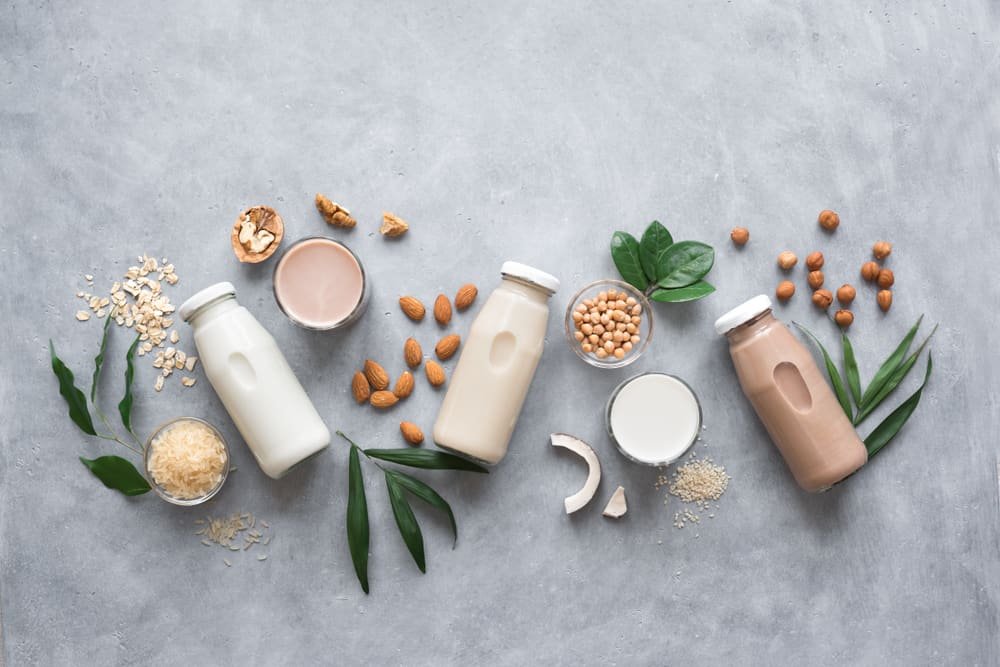
Per cup: peanut butter (64g), almond butter (52g), cashew butter (45g), tahini (39g), hummus (about 18g, varies by recipe), soy milk (9g), oat milk (about 4g), nut milk (about 2g).
Supplements
Spirulina and chlorella both deliver 64g of it per cup — spirulina is rich in B vitamins, copper, and iron, and per Medicine and Science in Sports and Exercise, may reduce athletic muscle fatigue. Chlorella (a freshwater algae requiring supplement form for digestibility) has been linked to reduced blood pressure and improved injury recovery, per Alternative Therapies in Health and Medicine. Nutritional yeast rounds out the list with 32g per cup and all nine essential amino acids, plus a rich umami flavor.
Building Complete Proteins
While few individual plant sources contain all nine essential amino acids, combining foods makes this genuinely easy. Legumes typically lack methionine, while grains are rich in it — making beans-and-rice combinations, common across countless cuisines, a naturally complete it pairing. Indian curries with lentils or chickpeas served over rice, West African peanut stew with quinoa, and homemade black bean burgers all deliver the same complete-it benefit with minimal effort.
Plant-Based Protein or Meat?
There’s no definitive answer to which diet is “healthier” — a well-rounded omnivorous diet and a well-rounded plant-based diet are genuinely comparable. What matters most is the overall quality of what you eat, not the category it falls into.
Plant-Based Athletes
A growing number of elite athletes — Olympic competitors, football players, endurance athletes, climbers, bodybuilders, and weightlifters — have shifted to plant-based it. Research confirms a well-balanced plant-based diet matches an omnivorous one for athletic performance and muscle growth, with Nutrients even finding it may outperform on recovery and long-term health outcomes. A separate study in Nutrients found endurance athletes specifically benefit from reduced inflammation and improved cardiovascular health on plant-based eating.
Protein and the Environment
Environmental impact is a major driver behind the plant-based shift. Per Advances in Nutrition, animal agriculture is a leading contributor to deforestation, air pollution, and water pollution — a significant, though not sole, factor in the planet’s current climate challenges.
Building a Protein-Rich Plant-Based Diet
A plant-based diet can genuinely match an omnivorous one in it content. With a bit of research and the right spices, these alternative it sources open up a genuinely rewarding culinary experience — whether you’re going fully vegan or simply cutting back on animal it a few days a week, plants offer plenty of ways to keep the body strong and well-nourished.
Explore more Health Articles reviews and guides on our site.