Healthy School Lunches: Tips for Eating Healthy at School
Packing healthy school lunches has become more challenging than ever, as more high-sugar, low-nutrition options make their way into cafeterias and vending machines. But with a little planning, you can make sure your kids are still eating healthy at school, whether they’re buying lunch or bringing one from home. Table of content The Benefits of […]

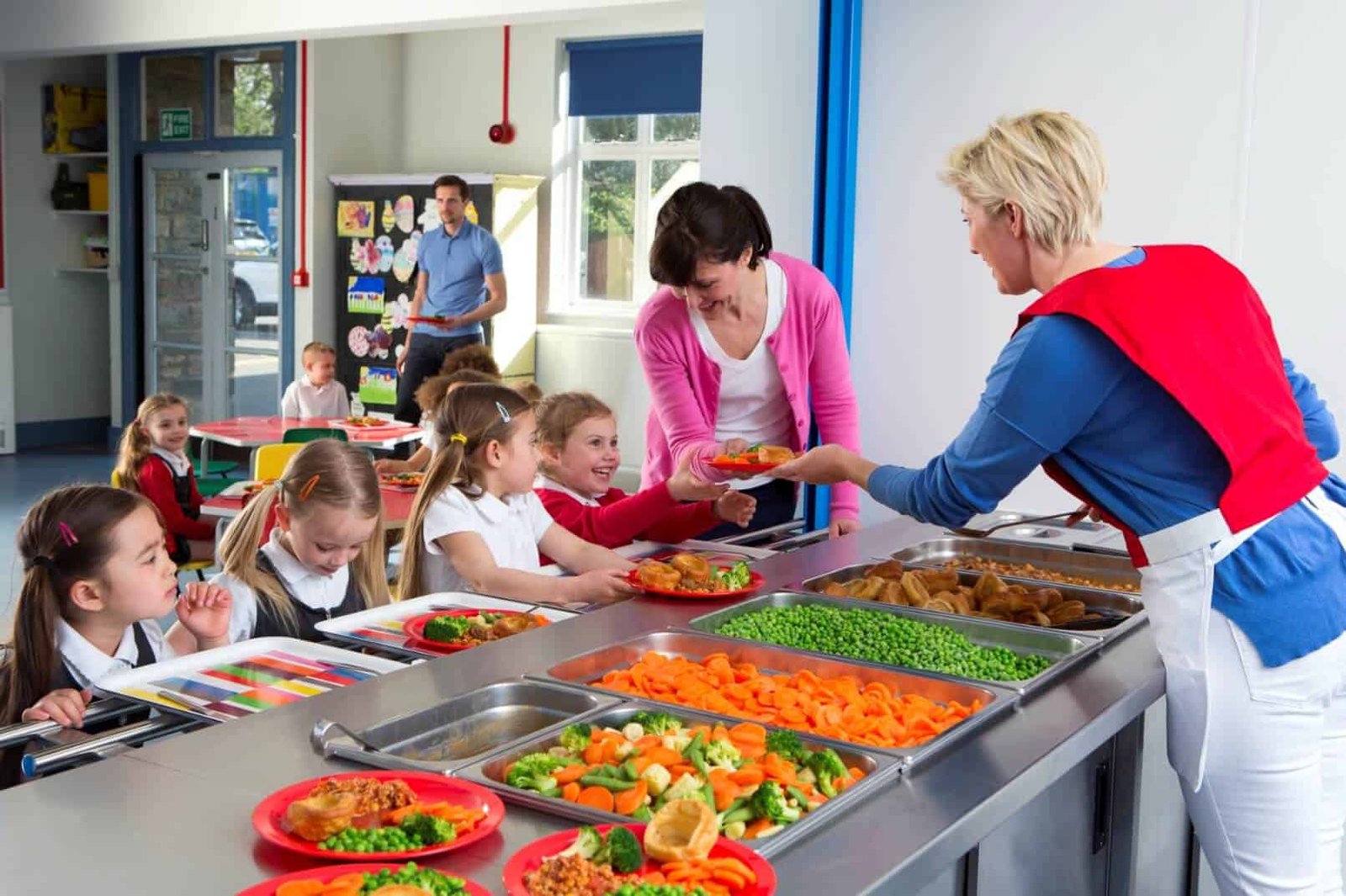
Packing healthy school lunches has become more challenging than ever, as more high-sugar, low-nutrition options make their way into cafeterias and vending machines. But with a little planning, you can make sure your kids are still eating healthy at school, whether they’re buying lunch or bringing one from home.

School lunches have long had a reputation for being bland at best and unappetizing at worst. That reputation, combined with growing concern over how little real nutrition some cafeteria meals provide, has pushed many parents toward packing lunches instead. But that brings its own challenge: how do you put together a lunch that’s healthy, tasty, and filling enough that your kids will actually eat it?
School lunch programs haven’t always existed. In the early days of public education, kids were often sent home for lunch, where a parent would have a meal waiting. As populations grew and the distance between home and school lengthened, sending kids home every day stopped being practical, and the modern school lunch was born.
It’s still entirely possible to get your child a nutritious, balanced meal at lunchtime, whether it’s packed from home or picked up in the lunch line. Here’s how to make the most of it.
The Benefits of Eating Healthy at School
Good nutrition supports the development and strengthening of bones and teeth, helps maintain a healthy weight, and keeps kids active and focused throughout the school day, which in turn supports better mood and overall mental health.
Many of the benefits of eating healthy show up over the long term, which is part of why healthy habits can be hard to stick with. But some results appear fairly quickly.
Preventing Disease
Since parents aren’t always around to steer their child’s choices during the school day, eating healthy at school plays a crucial role in a child’s overall dietary pattern and, over time, their risk for diet-related illness.
Improved Brain Function
Few things matter more for children than their developing brains, which are constantly absorbing new information. A hungry brain simply doesn’t function at its best, and kids need the right fuel to concentrate and perform well on tests.
Balanced meals that avoid large spikes and crashes in blood sugar are critical for concentration and cognitive function. Eating in a genuinely nutritious way supports good health across the board, and healthy eating at school is a big piece of that puzzle.
Greater Self-Confidence and More Energy
Eating well tends to make kids feel better about themselves, and reinforcing good habits during these formative years pays off down the road. Kids who maintain a healthy weight and develop sound eating habits early tend to grow up with more optimism and a better relationship with their own bodies, along with the energy to stay active and engaged well into the afternoon.
Hidden Benefits
Some benefits of healthy eating may surprise you, including healthier teeth, fewer skin issues, less stress, a better mood, fewer food cravings, and less pickiness at the table over time. While adults tend to understand these long-term payoffs, younger kids usually don’t, and it can be a real challenge to get an eight-year-old excited about vegetables by talking about long-term health. Adults can help by setting a good example at home, which tends to carry over into how kids eat at school.
Healthy Eating Habits for Kids: The Real Challenges
It’s one thing to manage your own eating habits, but getting kids to eat well is a different challenge entirely. A few of the obstacles parents commonly run into:
- Kids are naturally picky eaters.
- You can control what’s eaten at home, but not necessarily at friends’ houses, parties, camps, or after-school programs.
- Peer influence is powerful, and kids often care more about what’s cool than what’s healthy.
- Kids, especially teens, tend to want exactly what they’re told they can’t have.
You can’t control everything your kids eat, but there are ways to counter these forces.
Treat Them Like Small Adults
Rigid, inflexible rules around food tend to backfire — kids find a way to eat what they want anyway, just out of sight. When your child is going to eat away from home, rather than banning certain foods outright, encourage them to use their own judgment. That builds a sense of responsibility, and while they’ll give in to temptation sometimes, so does everyone else.
Let Them Be Involved in the Process
Kids feel capable when they get to contribute. Invite them to help cook, pack their own lunch, or pick out snacks at the grocery store — when they’re part of the process, they’re more likely to actually enjoy what ends up on their plate.
Be a Role Model
To get real buy-in from your kids, you have to demonstrate your own commitment to eating well. Telling them soda is off-limits while they watch you drink one sends a mixed message that breeds resentment. When you model good habits yourself, kids tend to follow enthusiastically.
Healthy School Lunches: Ideas for Kids
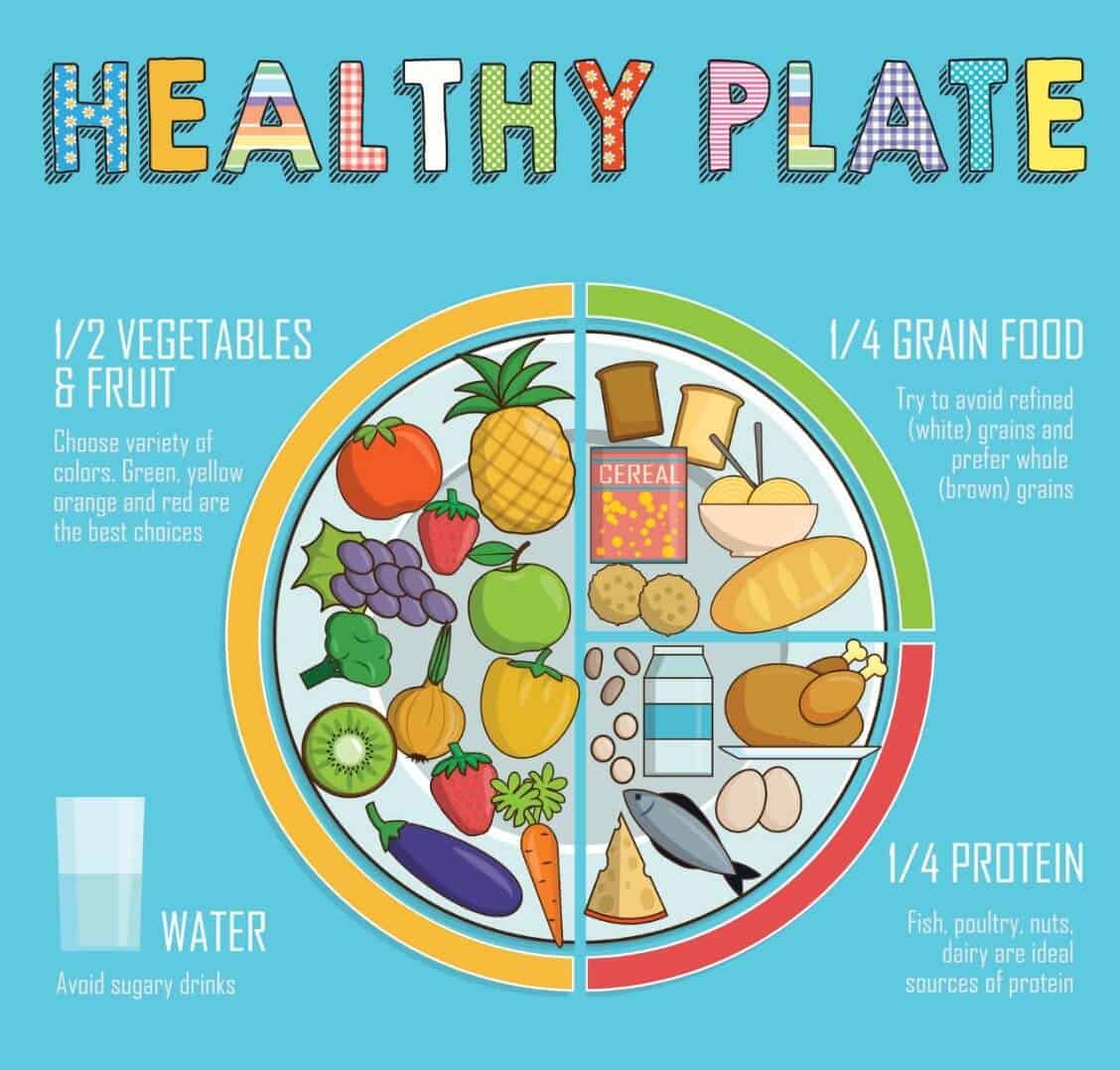
If you’re packing lunches, keep things fresh by rotating the menu so your child doesn’t get bored. Busy parents can save time by cooking a few staple items in bulk and portioning them into single-serving containers for easy grab-and-go mornings.
Start with a base you can make in bulk and that holds up for a few hours in a lunchbox — pasta, quinoa, or quality deli meats all work well cold or at room temperature. Add spices, dried fruit, or a light dressing for flavor.
If you don’t want to limit yourself to cold foods, a small thermos opens up more options, including brown rice, beans, and soup, all kept warm for hours. One favorite is a simple lentil soup, which delivers a solid dose of protein and vegetables and helps warm kids up during colder months.
Are School Lunches Healthy?
School lunches have improved considerably over the past few decades and now offer a wider variety of options than they used to. Federal requirements for school lunches generally include:
- At least one-third of a child’s daily protein and vitamin requirements.
- Fat content capped at 30% of a child’s daily fat requirement.
- Portion sizes tailored to age group.
- Limits on sodium and refined carbohydrates.
- Inclusion of low-fat dairy products.
Even so, some schools find that healthier options simply aren’t getting eaten because kids don’t find them appealing. So while school lunches are getting healthier on paper, getting them actually eaten remains the next challenge.
Healthy Eating in Schools: Getting Involved
Plenty of progress has already been made toward healthy eating in schools, including federal initiatives that raised nutrition standards for school lunches. But there’s still more work to do, and parents can play a real role. A few ways to stay informed and get involved:
- Learn what foods are actually available at your child’s school.
- Eat a school lunch with your child occasionally.
- Join a school district committee focused on health and wellness.
- Ask the school directly about upcoming changes to the lunch program.
- Volunteer to help with taste tests for new menu items.
Organizations like Food Corps have made a real difference nationally, sending educators into schools to teach kids about nutrition and help plant school gardens — and the results show: students in these programs tend to eat more fruits and vegetables and are less likely to be overweight than their peers.
Beyond that, school gardens, parent involvement, cooking-at-home connections, and student and staff engagement all play a role in building a genuinely successful healthy-eating culture at school.
Lunchtime doesn’t have to be miserable, and school food doesn’t have to be unappetizing. Staying a little more conscious of what kids in our communities eat at school, and getting involved where we can, goes a long way toward making that a reality.
Explore more Health Articles reviews and guides on our site.
For general guidance on healthy weight management, see the resources available from the NIH.
Overall, healthy school lunches remains worth understanding before you decide.
Overall, healthy school lunches remains worth understanding before you decide.