Branch Chain Amino Acids: Benefits, Dosage & Food Sources
Let’s take a closer look at branch chain amino acids and what it genuinely offers. BCAAs refer to three specific amino acids: leucine, isoleucine, and valine. For anyone who doesn’t eat much dietary protein, supplementation can genuinely support muscle protein synthesis and increase muscle growth over time. It’s also used to help prevent fatigue in […]

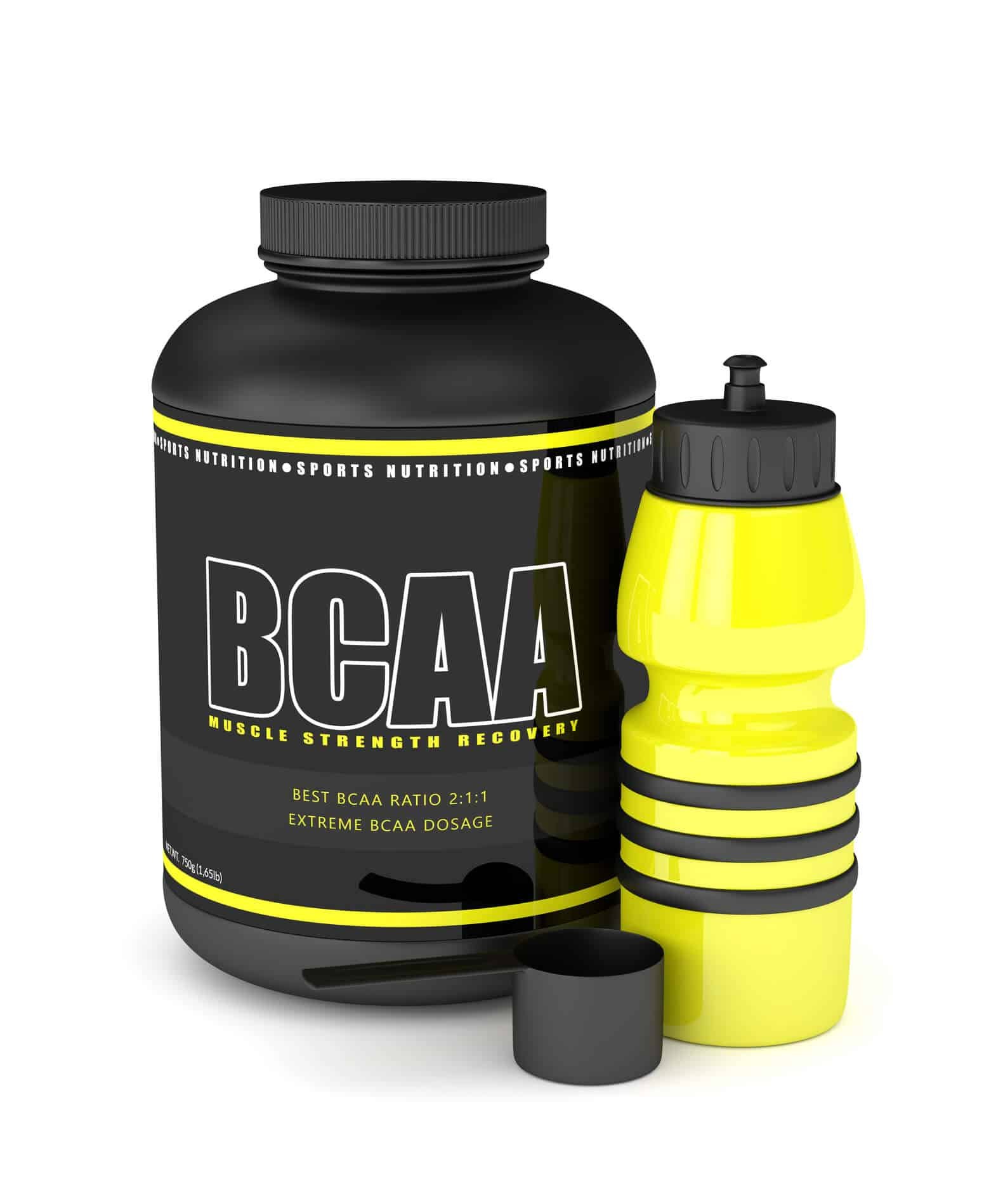
Let’s take a closer look at branch chain amino acids and what it genuinely offers.
BCAAs refer to three specific amino acids: leucine, isoleucine, and valine. For anyone who doesn’t eat much dietary protein, supplementation can genuinely support muscle protein synthesis and increase muscle growth over time. It’s also used to help prevent fatigue in novice athletes.
Leucine plays a central role in muscle protein development, while isoleucine helps drive glucose uptake into cells. Valine’s specific role in BCAA supplementation is still less understood and needs more research. Since the body can’t produce these amino acids on its own, they have to come from diet or supplementation — which is exactly where the term “essential amino acids” comes from.
Branch Chain Amino Acids: What Are Branched Chain Amino Acids and Why Do You Need Them?
Supplementing with BCAAs helps prevent the natural decline in serum BCAA levels that happens during exercise. That decline typically triggers an influx of tryptophan into the brain, followed by increased serotonin production — a pathway linked directly to fatigue.
Beyond fatigue prevention, BCAAs support muscle growth and repair and may reduce post-exercise soreness. That said, while they can genuinely make workouts feel less draining, they don’t appear to directly improve athletic performance itself.
Getting enough BCAAs daily matters, though many protein sources already supply a solid amount. Supplementation generally isn’t necessary for people already eating a high-protein diet in the range of 1 to 1.5 grams of protein per kilogram of body weight daily.
Dieting itself can contribute to muscle breakdown for a few reasons. As the body gets leaner, it becomes more likely to lose skeletal muscle, since it works harder to hold onto fat stores and increasingly turns to muscle to meet energy needs — a genuinely counterproductive outcome for anyone trying to build muscle.

Muscle loss happens because the body ramps up protein breakdown to free amino acids for metabolic fuel, while reduced energy intake also lowers overall muscle protein synthesis. Exercise compounds this effect — the leaner you get, the more lethargic training sessions can feel, and reduced energy intake combined with lower glycogen stores can make workouts genuinely rough.
When the body is too tired or weak to train at its usual intensity, muscles adapt by needing less energy to do the same work — which means less muscle growth over time, and a body that may start pulling from existing lean muscle for energy since it’s no longer accustomed to lifting heavier loads.
BCAAs help counter this by both increasing protein synthesis and reducing protein breakdown, supporting fat loss while helping preserve lean muscle. They’re also responsible for a meaningful share of blood sugar production during exercise — particularly relevant if you train on an empty stomach or follow a calorie-restricted diet. A balanced carbohydrate, protein, and amino acid beverage taken before and during exercise can trigger an insulin response that helps transport amino acids to repair muscle damage and build tissue.
How Much BCAAs Do You Need?
Standard isoleucine dosing runs 48 to 72mg per kilogram of body weight for individuals with obesity, while standard leucine dosing falls between 2 to 10 grams per kilogram of body weight. A combined dose of roughly 20g of BCAAs, with a balanced ratio of leucine and isoleucine, is a common approach.
Valine’s optimal dosage and specific role still need more research. As with most supplements, BCAA supplementation isn’t necessary if dietary intake already covers your needs — actual requirements depend on factors like body size and workout intensity, so it’s worth talking with a nutrition or fitness professional before making major changes.

When to Take BCAAs
BCAAs don’t necessarily need to be taken before every single workout. They tend to matter more before strength or resistance training than before cardio specifically, since intense exercise causes small muscle tears that then repair and rebuild stronger — the exact process BCAAs are meant to support.
Timing meals around your workout, aiming to eat within an hour of finishing, is a reasonable strategy worth testing to see if it genuinely reduces fatigue and soreness for you.
A 3-to-4-ounce serving of cooked animal protein typically covers your BCAA needs on its own — timing matters more here than raw volume. For anyone who doesn’t eat meat, plenty of low-calorie, vegetarian-friendly BCAA supplements exist as an alternative.
Liquid supplements tend to act faster than whole foods, since they skip the digestion process — a solid option for boosting BCAAs pre-workout without exercising on a full stomach. Reading product labels closely is worth the extra minute too, to confirm a solid BCAA ratio and avoid unnecessary sweeteners, chemicals, or dyes.
Food Sources of BCAAs
These foods deliver all three BCAAs in a single serving: eggs, low-fat Greek yogurt, lean beef, flank steak, cod, whitefish, haddock, canned tuna, wild salmon, trout, chicken breast, and turkey breast.
Decent amounts of BCAAs also show up in brown rice, chickpeas, lima beans, quinoa, whole wheat, peanuts, almonds, and Brazil nuts.
The Bottom Line on BCAAs
Overall, working branched chain amino acids into your diet can offer genuine benefits. While some research points to improved exercise performance and strength, BCAAs alone aren’t enough to drive meaningful weight loss on their own — they work best as one piece of a more comprehensive diet and training plan.
Real, lasting results ultimately come down to the fundamentals: a genuinely balanced diet, consistent training, and adequate recovery. BCAAs, whether from food or supplements, can support that foundation, but they’re a supporting player, not the whole strategy.
Explore more Health Articles reviews and guides on our site.
For general guidance on healthy weight management, see the resources available from the NIH.
Overall, branch chain amino acids remains worth understanding before you decide.
Overall, branch chain amino acids remains worth understanding before you decide.