An Overview of the Pegan Diet: A Detailed Guide
If you’ve tried multiple diets and exercise routines without lasting results, you’re genuinely not alone. Weight loss frustrates plenty of people — but among the many alternative approaches out there, the pegan diet is worth a closer look. Table of content How Does the Pegan Diet Work? Key Principles of the Pegan Diet Does the […]

If you’ve tried multiple diets and exercise routines without lasting results, you’re genuinely not alone. Weight loss frustrates plenty of people — but among the many alternative approaches out there, the pegan diet is worth a closer look.
The pegan diet blends two of the most popular eating styles — paleo and vegan — into one approach. While it won’t be the right fit for everyone, it’s genuinely worth understanding how it works, what it offers, and where it falls short before deciding if it’s right for you.
How Does the Pegan Diet Work?
Created by Dr. Mark Hyman, the pegan diet aims to balance blood sugar and reduce inflammation by combining principles from both paleo and vegan eating.
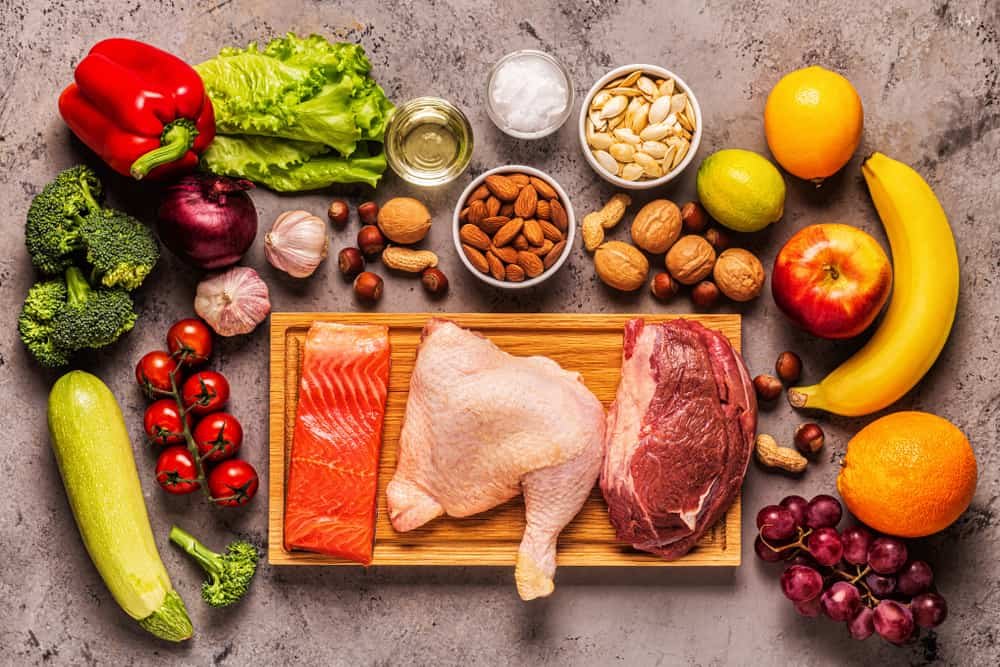
The paleo diet mimics pre-agricultural eating patterns — whole foods that could be hunted or gathered, built around meat, eggs, fruits, vegetables, nuts, fish, and seeds, while avoiding soft drinks, processed foods, vegetable oils, margarine, and artificial sweeteners.
The vegan diet, meanwhile, eliminates all animal products entirely. While genuinely beneficial for many, it can risk certain nutrient deficiencies without careful planning — particularly around protein sources like beans.
Key Principles of the Pegan Diet
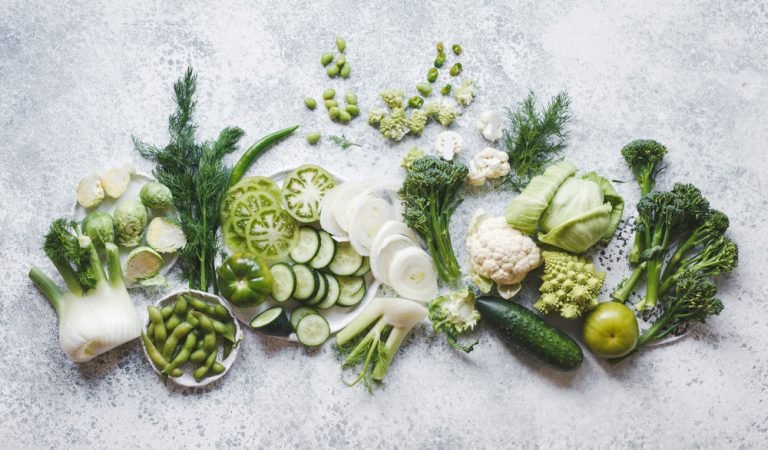
The pegan diet emphasizes nutrient-dense whole foods to optimize health, stabilize blood sugar, and reduce inflammation. Despite combining two notably restrictive diets, it’s actually less restrictive than either on its own — placing heavy emphasis on fruits and vegetables while still allowing moderate amounts of fish, meat, cheese, and nuts, plus small amounts of oils and sugar. Unlike many short-term diet plans, it’s genuinely designed for long-term sustainability.
Does the Pegan Diet Support Weight Loss?
Research is still developing given how new this specific combination is, but both paleo and vegan diets individually show genuine weight-loss support, per Nutrients and the Journal of Internal Medicine — suggesting the pegan diet likely offers similar benefits. As with any diet, consistency is what ultimately determines success. Pairing the plan with regular activity — even a 30-minute daily walk — genuinely improves your odds of meaningful results.
Potential Benefits of the Pegan Diet

The heavy emphasis on fruits and vegetables covers a genuinely wide range of essential nutrients — fiber for gut health and blood sugar control, per the Journal of the American Dietetic Association; vitamins and minerals that support countless enzymatic processes, per the Journal of the Academy of Nutrition and Dietetics; and antioxidants that combat inflammation and oxidative stress.
Avoiding saturated fat while emphasizing fish, nuts, and seeds supports genuine cardiovascular health, per Advances in Nutrition, while sidestepping the added sugar, artificial coloring, and preservatives in processed foods further improves overall diet quality, per Population Health Metrics.
Potential Downsides of the Pegan Diet
Some genuinely healthy foods — dairy, legumes, whole grains — get restricted here, which critics argue is unnecessarily limiting. Whole grains in particular avoid the blood sugar spikes tied to refined carbs, dairy is a solid calcium source, and legumes offer meaningful protein. Excessive restriction, even when well-intentioned, risks nutrient deficiencies — research in Clinical Nutrition confirms unnecessary gluten avoidance specifically carries this risk. The pegan diet does allow limited dairy, whole grains, and legumes, so moderate inclusion is genuinely fine.
Accessibility is another real concern — the diet’s preference for grass-fed, cage-free animal products and organic produce can be genuinely expensive and hard to source consistently, adding real time and cost to meal planning.
Foods to Eat on the Pegan Diet
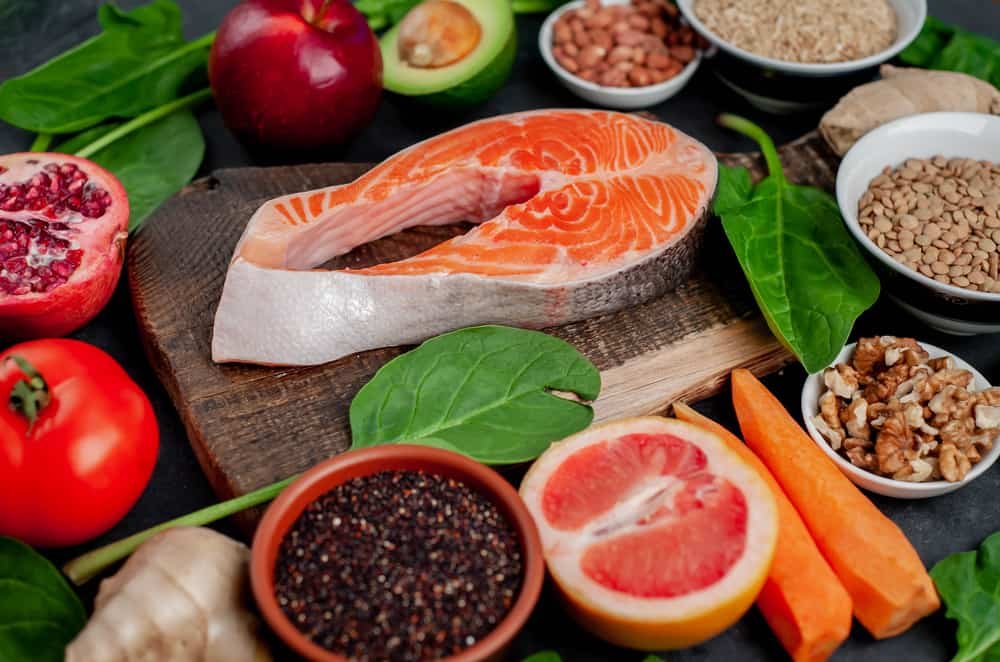
Plants (roughly 75% of intake): Favor low-glycemic fruits and vegetables — dark leafy greens like spinach (rich in lutein and beta-carotene, linked to reduced chronic disease risk per Biomedical and Environmental Sciences) and grapefruit, which one study in the Journal of Medicinal Food linked to an extra 3 pounds of weight loss and improved insulin sensitivity when eaten before meals. Limit starchy vegetables and higher-glycemic fruits.
Protein (about 25% of intake): Favor grass-fed beef, pork, and poultry, plus eggs in moderation. Seafood is especially encouraged — packed with lean protein, iodine, vitamin D, and anti-inflammatory omega-3s that support brain and cardiovascular health.
Fats: Choose nuts (skip peanuts), seeds, cold-pressed olive or avocado oil, and unrefined coconut oil — avoiding processed oils and their trans/saturated fat content.
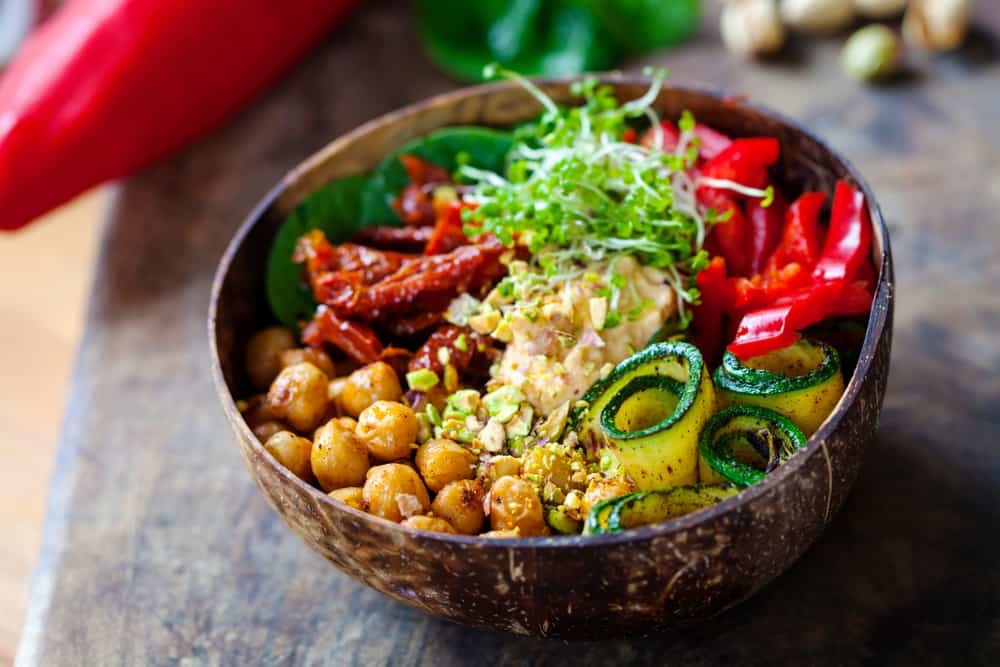
Grains and legumes (limited): Gluten-free whole grains and legumes are allowed sparingly — no more than ½ cup grains or 1 cup legumes daily. Black rice, amaranth, quinoa, oats, millet, pinto beans, chickpeas, lentils, and black beans are reasonable choices.
Foods to Avoid on the Pegan Diet
- Dairy: Cow’s milk products are discouraged (goat or sheep milk products are fine in small amounts).
- Gluten: Avoided entirely.
- Refined oils: Soybean, corn, canola, and sunflower oil are all discouraged.
- Food additives: Preservatives, artificial coloring, and flavorings are off the table.
Sample Pegan Diet Menu

Monday: Green smoothie (hemp seeds, almond butter, apple, kale) → salmon and spinach salad with strawberries → shrimp vegetable kabobs over black rice pilaf.
Tuesday: Chia coconut pudding with berries and walnuts → Thai salad rolls with cashew cream sauce → vegetable stir-fry with black beans and cashews.
Wednesday: Overnight oats with berries, walnuts, and cashew milk → bento box (veggies, boiled eggs, turkey, blueberries, pickles) → guacamole, jicama, and radish salad with grass-fed beef strips.
Thursday: Sweet potato toast with avocado and pumpkin seeds → mixed green salad with grilled chicken and avocado → roasted beet and pumpkin seed salad with Brussels sprouts.
Friday: Kimchi, braised greens, and fried eggs → grilled chicken with steamed spinach and black rice → salmon patties with steamed greens and roasted carrots.
Saturday: Half grapefruit with hard-boiled eggs and kale → kale salad with avocado, strawberries, and chickpeas → slow-cooker grass-fed beef with carrots, spinach, and onions.
Sunday: Vegetable omelet with green salad → lentil and vegetable stew with cantaloupe → leftovers.
Feel free to mix and match components across days for more variety — this is just one starting template.
Bottom Line on the Pegan Diet
The pegan diet genuinely works well for the right person — combining paleo and vegan principles while loosening some of each diet’s stricter rules. It emphasizes fruits, vegetables, organic meat, and healthy fats while limiting processed foods, dairy, grains, and saturated fat, offering real benefits for brain, heart, lung, and metabolic health. That said, some restrictions still feel unnecessary to critics, and cost and accessibility remain genuine hurdles for many. Weigh your personal health goals against the diet’s demands to decide whether it’s the right fit for you.
Explore more Diet Program reviews and guides on our site.