
Bird Watching: Beginner’s Guide for Hobby, Health & Wellness
Bird watching is a remarkably popular pastime — an estimated 85 million Americans are drawn to it, and genuinely anyone can pick it up. Also known as “birding,” it can be as simple as hanging a backyard feeder or as involved as joining organized birding tours around the world. Table of content What Is Bird […]

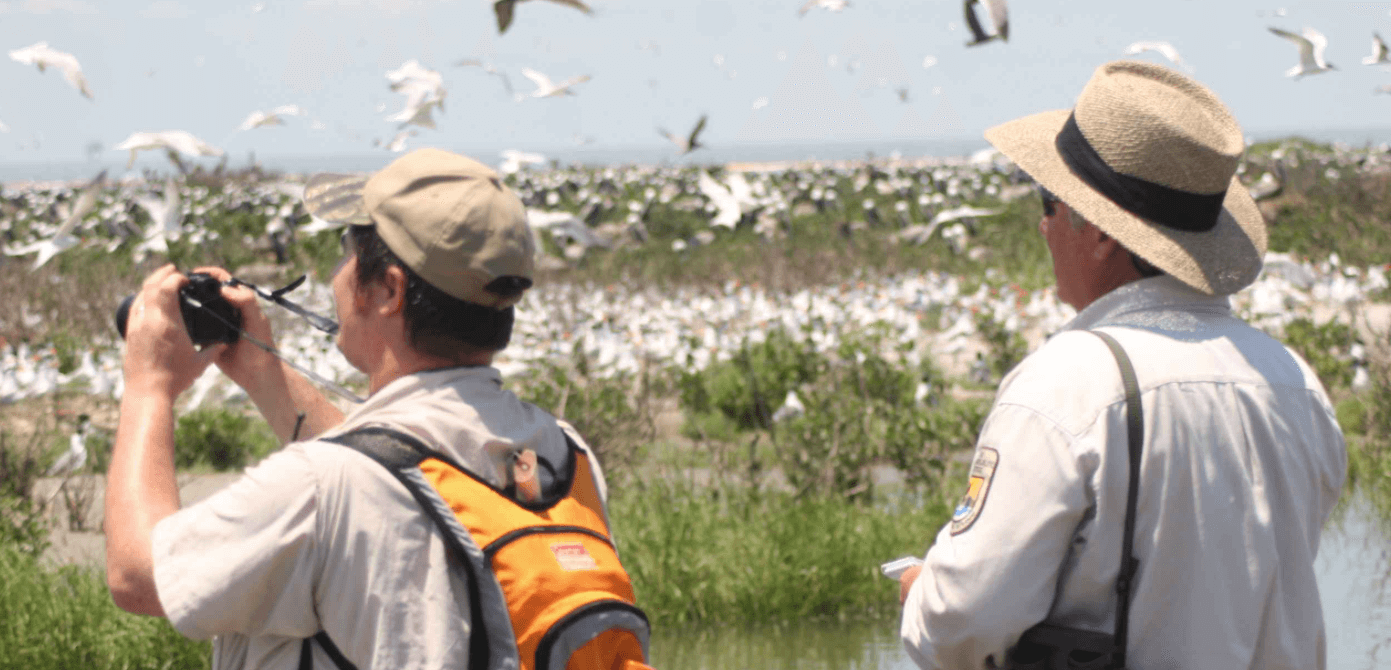
Bird watching is a remarkably popular pastime — an estimated 85 million Americans are drawn to it, and genuinely anyone can pick it up. Also known as “birding,” it can be as simple as hanging a backyard feeder or as involved as joining organized birding tours around the world.
This beginner’s guide explores the different forms birding can take, covers the equipment worth having, and gets you started on your own migration into the world of birds.
What Is Bird Watching?
At its core, bird watching is exactly what it sounds like: observing the birds already around us in nature. From the moment dawn breaks, birds are singing outside our windows — they’re everywhere, in yards, parks, woods, and cities alike.
Why Watch the Birds?
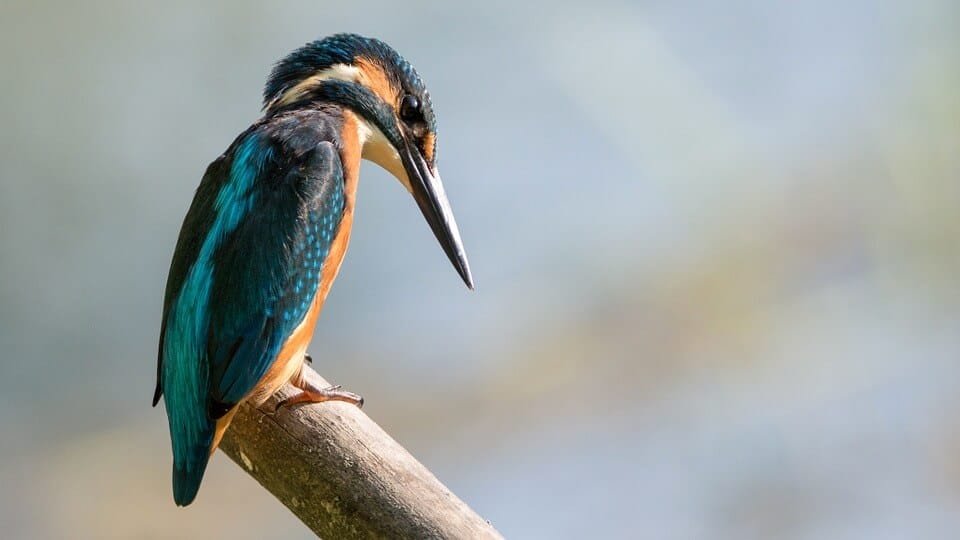
Birding can genuinely lower stress. Plenty of research has linked time in nature to reduced stress levels, and one study from the University of Exeter, reported in Science Daily, monitored the mental well-being of nearly 300 people and found that the more birds people saw during their day, the less likely they were to report feeling stressed or anxious — giving new meaning to the phrase “bird brain.”
BecauseBirds, an online publication dedicated to bird watching, points to a broader list of health benefits tied to the hobby: good exercise, fresh air, restored optimism, increased relaxation, and quieter worry. Lower stress, as most doctors will tell you, tends to improve overall health from head to toe.
How to Start Bird Watching
Getting started in birding might conjure images of safari hats, binoculars, ID books, and hiking boots. While that gear may eventually find its way into your kit as your interest grows, none of it is necessary to begin.
The easiest way in, according to Owlcation, is simply to bring the birds to you — offering food, water, and a bird-friendly habitat can have you birding in no time. That makes you a “backyard birder,” and it’s a genuinely popular category: roughly 40% of Americans maintain a backyard feeder, according to the Audubon Society.
Feeder styles vary, and different species tend to prefer different types — tray feeders, house feeders, window feeders, tube-style feeders, nyjer seed feeders, and suet feeders all attract different birds.
Wildlife experts and ornithologists encourage backyard birders to follow safe, healthy feeding practices — using feeders appropriate for your climate and region, cleaning them regularly to prevent disease spread, and being mindful of when feeding may or may not benefit local bird populations.
Health Benefits of Bird Watching as Exercise
Beyond stress relief, bird watching offers real health benefits tied to weight management and physical activity, especially when paired with a healthy diet. Getting outside for fresh air is one obvious benefit, but bird watching also naturally involves light-to-moderate exercise, since it typically means walking from one spot to another in search of new species.
How Do I Attract Birds to My Yard?
Not interested in hiking hills to find feathered subjects? No problem — becoming a backyard birder is simple, enjoyable, and works for the whole family. Even a small yard can become genuinely bird-friendly. According to Birds Forever, four basic elements transform a yard into a bird sanctuary.
Food
Birds, like everyone, need to eat, and they enjoy a wide variety of nuts, seeds, and suet. Different species prefer different foods, so a feeding chart can help guide what to offer, and the type of food you choose will largely determine the feeder style — hanging or platform-style feeders both have their place.
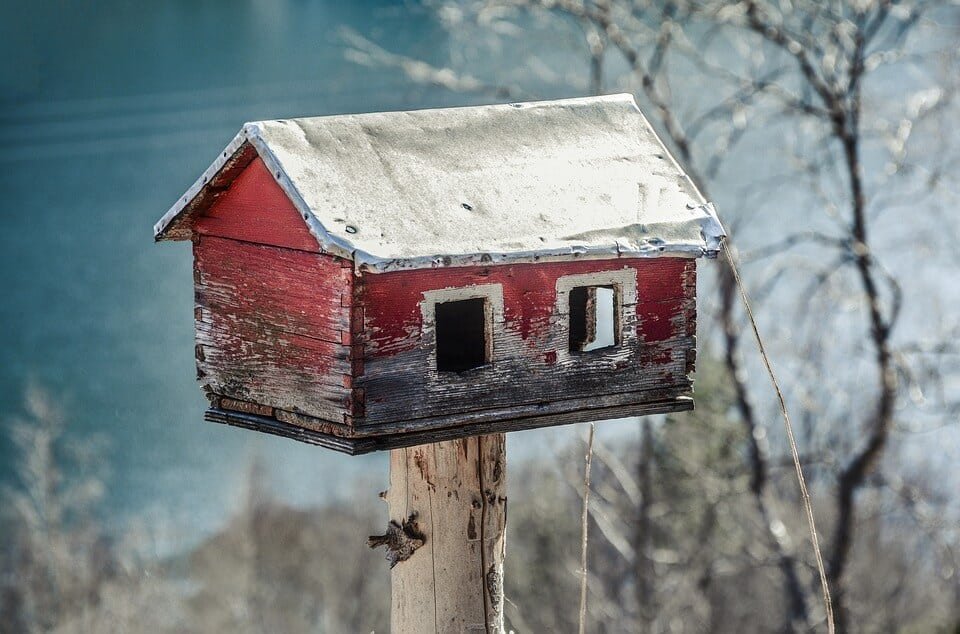
Shelter
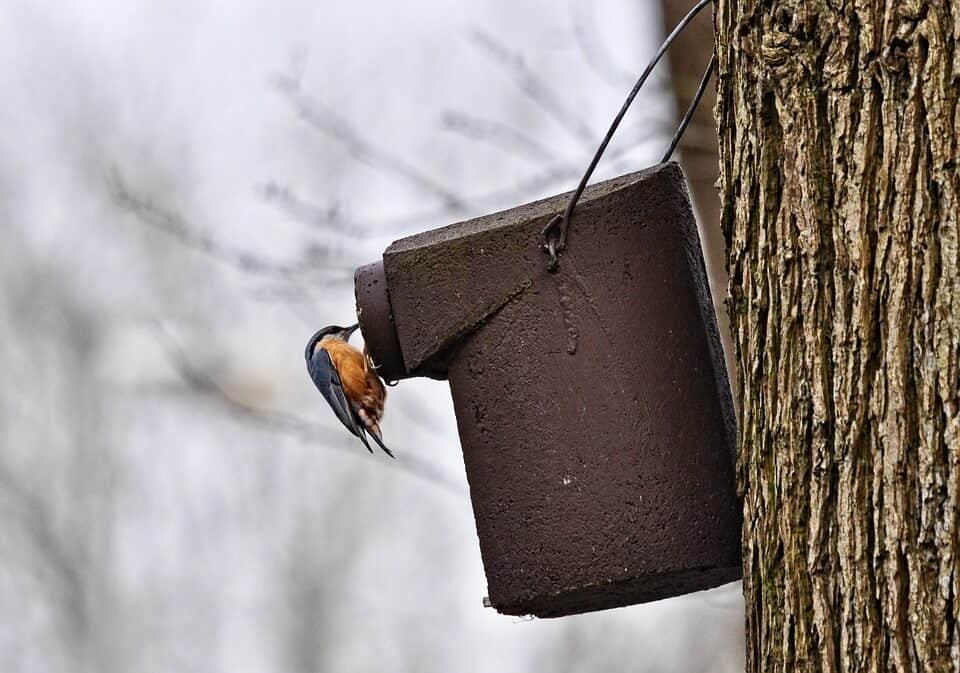
Birds feel genuinely safer with trees and shrubs near their food sources, and will build nests in plants growing close to your yard. If your yard lacks bushes or trees, planting a few native species can help. Offering nest boxes and nesting material is another effective attractant — birds often return to the same nest year after year, becoming a regular part of your backyard habitat, and they’ll happily eat the bugs that bug us in the process. Different species prefer different birdhouse styles, so a variety of designs helps attract a broader mix of birds. Cleaning out birdhouses once babies fledge keeps the space healthy for future nesting seasons.
Water

A reliable fresh water source is genuinely powerful for attracting birds, and the sound of flowing water is especially appealing to them — adding a mister or circulating pump to a birdbath (the louder, the better) can make a real difference in how many birds visit.
Habitat
Plant diversity attracts a wider range of bird species. Mixing tall, medium, and short plants, and favoring native species birds already recognize, rounds out a genuinely welcoming habitat. Plants that produce nuts, seeds, nectar, and berries add both food sources and perching space. The National Wildlife Federation offers extensive resources on building backyard habitats for local wildlife, including a certification program for yards that meet their standards.
What Equipment Does Bird Watching Require?
Honestly, the only real requirements for birding are a set of eyes and ears — birds already share our habitat, and a stroll through a yard or park while paying attention to birdsong is really all this hobby takes at its core.

That said, a few pieces of gear genuinely enhance the experience.
Binoculars
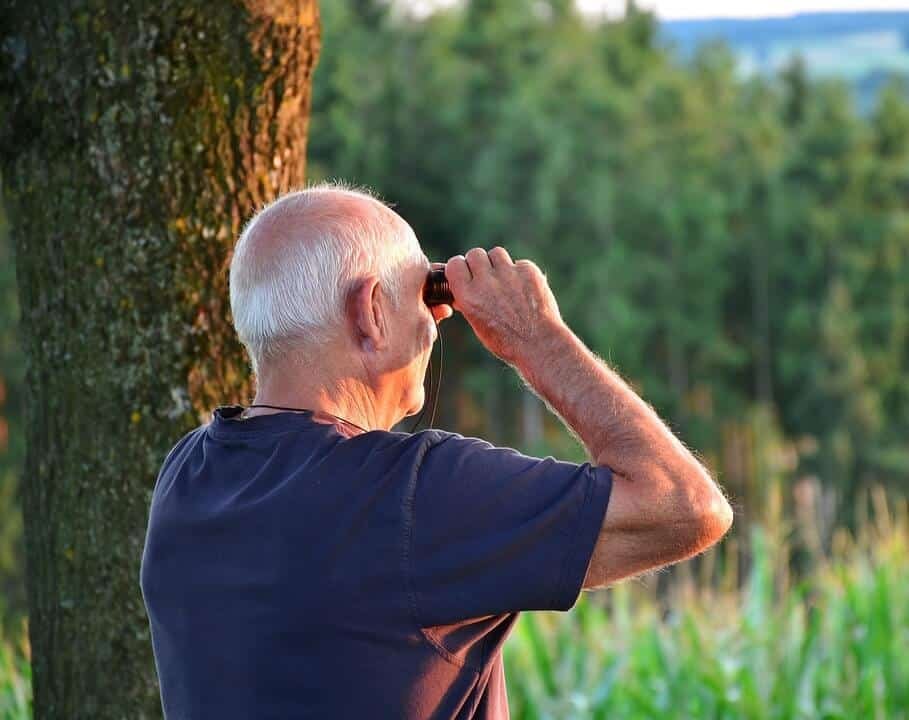
Binoculars are an essential piece of birding gear, letting you zoom in on distinguishing features that are otherwise impossible to see. Many birds that look similar at a glance turn out to be entirely different species — the black-capped chickadee and white-breasted nuthatch, for instance, both sport black-and-white coloring with dark caps, but binoculars quickly reveal the real differences.
The Nature Conservancy recommends waterproof binoculars with an easy-to-use focus, at least 8x magnification, and a front lens — look for labels like 8×32 or 10×42. Comfort matters too; make sure they fit your hands well and aren’t too heavy for extended use.
Spotting scopes are also gaining popularity for wildlife viewing. Similar to telescopes but smaller and more portable, they offer higher magnification than binoculars, letting birders see subjects well outside binocular range — a nesting eagle, for example — without getting close enough to disturb the bird.
Field Guides and Bird ID
Identifying the birds you spot on a walk or at a backyard feeder is one of the most satisfying parts of the hobby.
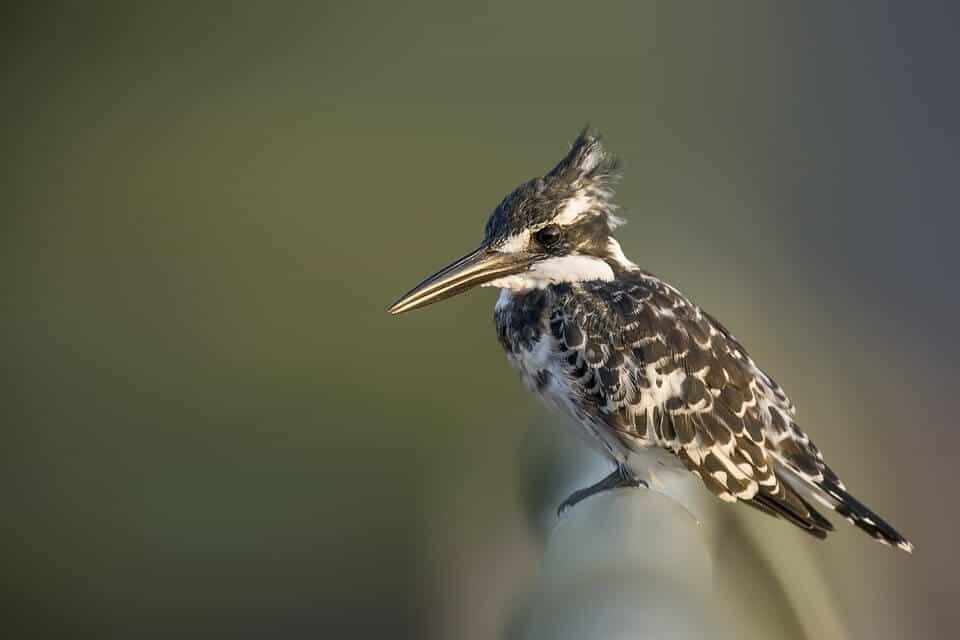
Plenty of online resources exist for bird identification, but a physical guide with photos, habitat details, and geographic range often proves handier in the field — and using a printed manual helps keep you from getting pulled into your phone mid-walk. Field guides come organized by state, region, country, bird type (waterfowl, hummingbirds, and so on), or even bird sound, so it’s worth picking one that matches how you plan to use it.
Recording Equipment
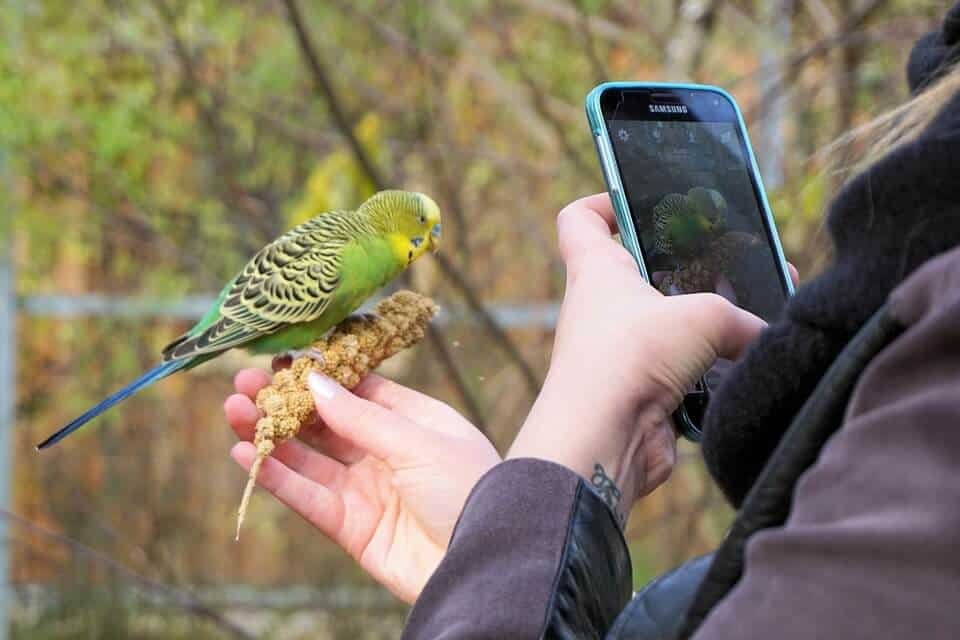
A camera — even just your phone — paired with a notebook helps birders jot down field notes. Recording the color, pattern, and size of an unfamiliar bird makes later identification much easier, whether through an online guide or a dedicated bird ID app. Many birders also keep a running journal to track every species they’ve spotted over time.
Birding Apps
Naturally, there’s an app for that too — several, in fact, offering real-time bird ID for both Android and iPhone, letting you identify a species on the spot rather than waiting to get home and cross-reference a book.

Outdoor Gear
Once birding becomes a more serious hobby, dedicated outdoor clothing starts to matter more. Comfort and protection from the elements are the main priorities, though color choices matter too — blending into the environment makes birders less alarming to wildlife. Worth considering: cargo pockets for gear, belt loops for tools, quiet fabric (skip noisy nylon and clanging buckles), a hat to shield your eyes and break up your profile, long sleeves for sun and insect protection, and sturdy, comfortable hiking boots or shoes.
Is Bird Watching Safe?
If birding for you means hiking through the woods, a few safety guidelines are worth following.

Bird with a Friend
Any activity involving the risk of injury or getting lost benefits from a companion, and birding is no exception. Looking up into trees or gazing through a scope naturally raises the odds of tripping or twisting an ankle, and an extra set of eyes helps spot both desirable wildlife (birds, butterflies) and less desirable wildlife (bears, snakes). If you’d rather go solo, always leave a detailed plan of where you’re headed and when you expect to return, and consider carrying a loud whistle — the sound can deter dangerous wildlife and alert nearby help if needed.
Avoid Conflict
Bird watchers aren’t the only ones using the woods — hunters and campers frequent the same spaces, and wildlife viewing can occasionally conflict with hunting activity. Being safe and respectful when sharing these spaces matters, and sticking to public land avoids trespassing concerns entirely.
Watch for Dangerous Wildlife
People are statistically more dangerous than most wildlife you’ll encounter, but bears and snakes are worth keeping an eye out for.
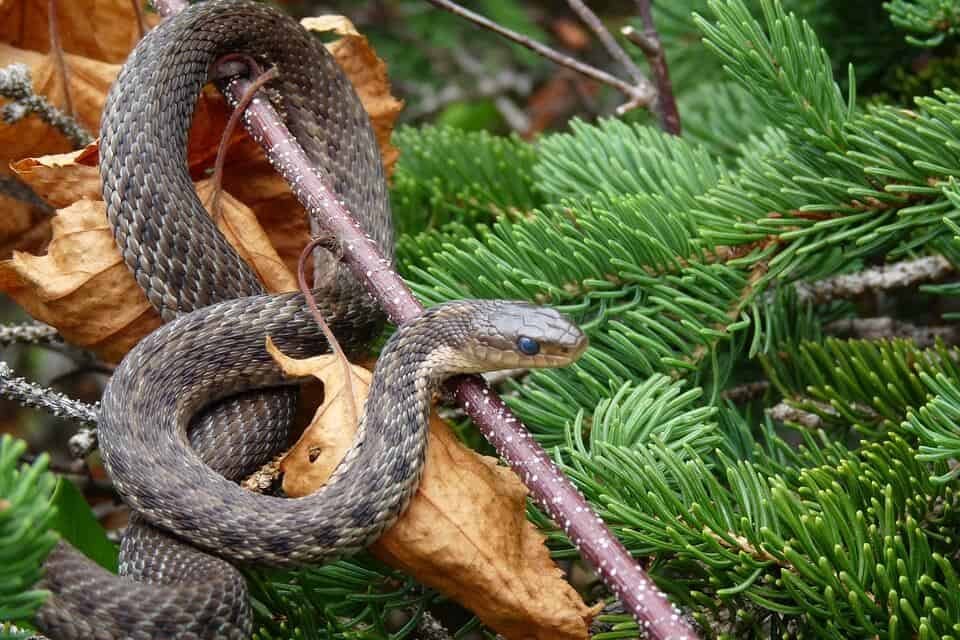
Most bears actively avoid humans, but if you spot one, moving away while making noise — singing, talking loudly — generally prevents any interaction. Snakes similarly prefer to avoid people and often stay still when nearby, which is part of why sturdy hiking boots matter, since most snake bites happen on the feet and ankles. Always look carefully before sitting or placing hands near the ground. Insects can be the most persistently annoying hazard in the woods — Lyme disease is a genuine concern, so tucking pant legs in and using insect repellent is worth the extra step, and mosquitoes and black flies can carry illness on top of being simply unpleasant.
Watch for Dangerous People
Bears and snakes aside, other people can pose a risk too. Keeping valuables out of sight and carrying a charged phone for emergencies is basic, sensible precaution.
Bring Food and Water
A short stroll to add to your bird list may not demand much energy, but getting hungry or thirsty mid-hike can cut a day short or at least dampen the experience.

Weather can shift unexpectedly, so staying hydrated matters — easy-to-carry snacks like trail mix, paired with plenty of water, are a smart standard packing choice. Getting turned around while chasing an elusive bird through the woods is also a real possibility, and having food and water on hand makes that far less stressful if it happens.
Be Prepared for Weather Changes
Weather is genuinely unpredictable, and microclimates can cause unexpected shifts in temperature or precipitation. Dressing in layers, wearing water-resistant shoes, carrying lightweight rain gear, and packing a hat, sunscreen, and sunglasses all help you stay comfortable regardless of what the sky does.
The Basics of Bird Identification
Do all the birds look the same to you at first? That’s a completely normal experience for beginning birders — North America is home to more than 800 bird species, so there’s genuinely a lot to sort through.
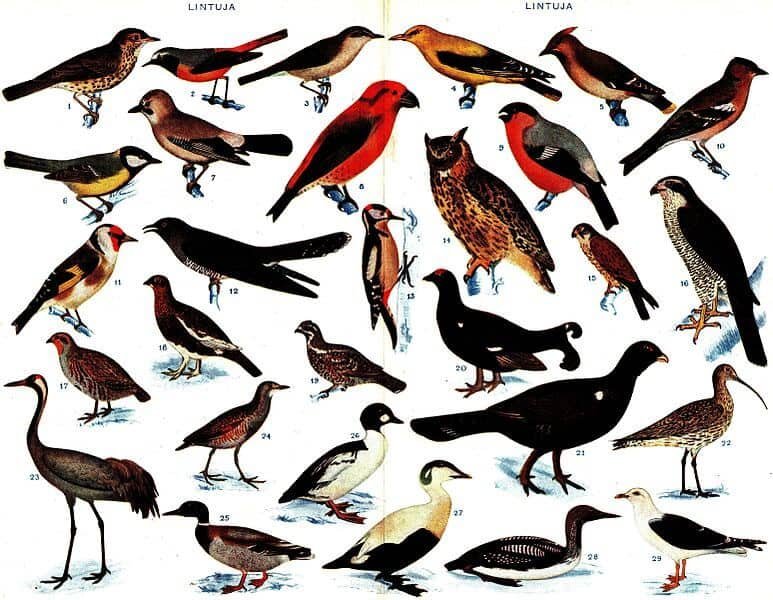
The Cornell Lab of Ornithology suggests focusing on four key skills while birding: the bird’s size and shape, its color patterns (striped? soft, muted tones?), its behavior (does it creep along branches, perch upright, or paddle in water?), and its habitat (trees, grass, or water?). Paying attention to these four factors makes narrowing down a species in a field guide considerably easier for beginners.
Common Birds to Watch For
Feeders installed, field guide ready, boots by the door — what might a beginner expect to actually see? Species vary by region, but a handful show up across most of the United States.
Mourning Dove
A medium-sized, gentle bird with a soft, buff-colored body marked with black spots and wingtips. Its sweet, cooing song has a slightly mournful tone — hence the name.
Downy Woodpecker
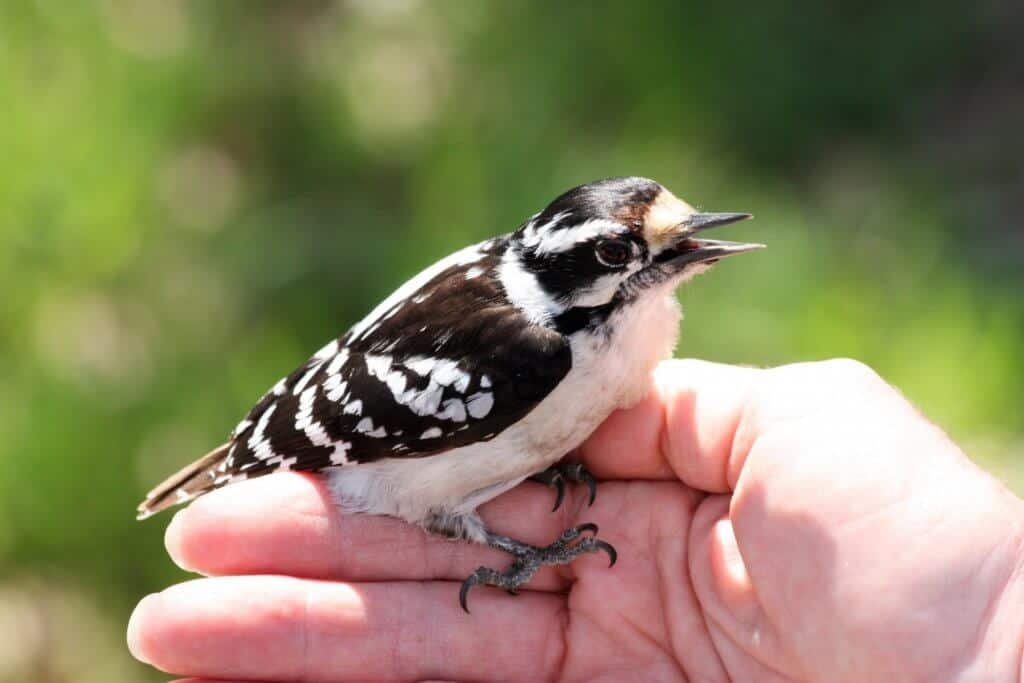
A small woodpecker with a bright red spot on the head. Both males and females show sharply patterned black-and-white bodies, and you’ll often spot them clinging to tree bark, digging out bugs with their short but powerful beaks.
American Robin
Instantly recognizable to most Americans thanks to its bold orange-red breast, the robin is a common sight in yards, parks, and wooded areas nationwide. Robins eat plenty of the bugs that bother us and are widely considered a harbinger of spring.
A few other common backyard species worth learning to spot: American crow, European starling, house sparrow, house finch, and American goldfinch.
The Bottom Line on Bird Watching
Bird watching is a hobby genuinely anyone can pick up — in the backyard, at a local park, deep in the woods, or on an organized trip halfway around the world. Connecting with nature is a well-documented way to relax and cut stress, and backyard birding in particular remains accessible even for people with limited mobility or physical disabilities — a birdbath or feeder outside a window can deliver real benefits without ever stepping outside. Anyone more mobile can layer on additional benefits simply by walking or hiking while they watch.
However you choose to approach it, bird watching tends to be fun, rewarding, and genuinely inexpensive — and the relationship runs both ways, since providing food and habitat for birds helps them too. It’s also a hobby that fits naturally alongside a broader healthy lifestyle, pairing well with regular movement, time outdoors, and mindful, screen-free downtime.
Explore more Health Articles reviews and guides on our site.
For general guidance on healthy weight management, see the resources available from the NIH.