Alli Review: 7 Proven Facts About Orlistat
Table of content How We Researched This Alli Review Alli Review: What Exactly Is Alli? What the Research Actually Shows The One Active Ingredient Is Alli Safe to Take? The Side Effects Nobody Undersells Eating Around Alli What the Long-Term Data Says Who Alli Actually Makes Sense For Alli vs. Other Weight-Loss Approaches Cost and […]

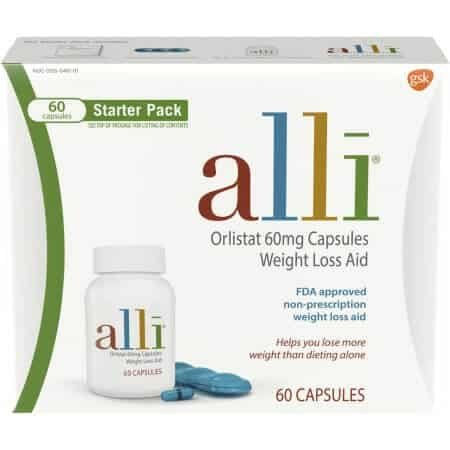
Alli is one of the few weight-loss products that can make a genuinely unusual claim: it’s an FDA-approved, over-the-counter version of a prescription drug. That drug is orlistat, and it’s been on the market in one form or another for more than two decades. This Alli review exists because approval isn’t the same as comfort — orlistat carries a side-effect profile blunt enough to change how people eat, and we wanted to lay out exactly what that trade-off looks like before anyone commits to a bottle in 2026.
window.lightweightNewsPushAd(document.currentScript.previousElementSibling);
How We Researched This Alli Review
Before writing this Alli review, we pulled the FDA approval documentation, cross-referenced orlistat’s safety data against LiverTox and peer-reviewed journals, and read through hundreds of verified customer reviews across retailers to see where real-world experience lined up — or didn’t — with the clinical picture. We weren’t interested in restating the marketing copy; we wanted to know what actually happens when someone takes this every day for a few months.
Alli Review: What Exactly Is Alli?
Alli is the 60 mg, over-the-counter version of orlistat — half the dose found in its prescription sibling, Xenical (120 mg). Both drugs work the same way: they block a portion of the fat you eat from being absorbed in the gut, so it passes through the body instead of turning into stored calories. That’s the entire mechanism. Alli doesn’t touch appetite, metabolism, or cravings, which is a distinction worth sitting with if you’re comparing it against stimulant-based diet pills.
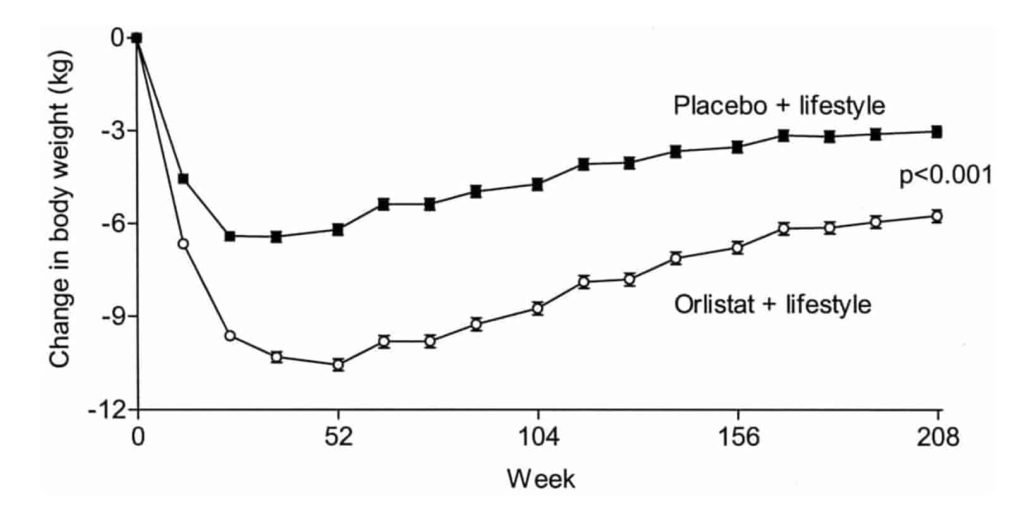
It’s approved for adults 18 and up with a BMI of 25 or higher, and it’s meant to be paired with a reduced-fat, reduced-calorie diet — not used on its own. The manufacturer’s own positioning is that it adds to what diet and exercise are already doing, at a rate of roughly an extra pound lost for every two pounds lost through lifestyle changes alone. That’s a modest number, and it’s worth sitting with before expecting more from this Alli review or any other you read.
What the Research Actually Shows
- Nutrition & Metabolism found that pairing orlistat with flaxseed fiber and calcium roughly doubled fecal fat excretion compared to orlistat alone — suggesting the drug’s effect is easy to under- or over-estimate depending on what else is in the diet.
- A review in PLOS Medicine raised a pointed concern: reported orlistat trials appeared to understate adverse events, not overstate them.
- BMC Obesity concluded that while orlistat can produce weight loss, it isn’t necessarily the strongest option on the market.
The One Active Ingredient
Orlistat is it — the only active compound in Alli. It works by binding to and blocking the enzymes (lipases) that your digestive system normally uses to break fat down. Fat that isn’t broken down isn’t absorbed; it’s excreted instead. Everything else in the capsule is inactive filler for stability, texture, and appearance.
Because orlistat only affects fat you eat with the dose, it’s a meal-triggered mechanism — skip a low-fat meal and take Alli anyway, and there’s less for it to actually do. That’s part of why so much of Alli’s real-world performance comes down to how strictly someone follows the accompanying diet.
Is Alli Safe to Take?
For adults over 18 with a BMI above 25, the FDA has signed off. Below that threshold, blocking fat absorption can create real health problems, so Alli isn’t a fit for people who are already underweight. Anyone on other medications — especially other weight-management drugs, blood thinners, or thyroid medication — should talk to a doctor before adding orlistat into the mix, since fat-soluble vitamins and some drugs can be affected by reduced fat absorption.
The Side Effects Nobody Undersells
This is the part of the Alli conversation that matters most. According to LiverTox, orlistat’s documented side effects include:
- Poor bowel control and oily, loose stools
- Urgent, sudden needs to defecate
- Gas with oily discharge
- Dehydration, nausea, and vomiting
- Skin rash, back pain, and general weakness
- Dark urine, clay-colored stools, and flu-like symptoms
The Indian Journal of Endocrinology and Metabolism describes the mechanism plainly: undigested fat shows up in stool, often as an orange, oily discharge that can stain underwear and clothing — enough of a reason that Alli’s own instructions suggest keeping a change of clothes on hand if you’re out for the day. Keeping meals under roughly 15 grams of fat is the main way to avoid triggering these effects, and most negative reviews trace back to ignoring that limit.
Eating Around Alli
You don’t need a completely different diet — just a lower-fat one. Foods that work well: fruits and vegetables, low-fat dairy, lean meats, and broth-based soups, spread across three meals and two snacks a day. Foods to sidestep: red meat, fried foods, cream-based soups, and anything heavy on oil, butter, or fat generally.
What the Long-Term Data Says
A study in the Journal of Obesity found six months of orlistat use produced modest weight loss and some dietary improvement. Vascular Health and Risk Management reported a small but statistically real weight-loss effect. On the other hand, ClinicoEconomics and Outcomes Research questioned whether the drug offers meaningful public-health benefit at scale, and the Archives of Pharmacal Research flagged the gastrointestinal burden as a real cost of using it. Typical real-world results land around 7 pounds over six months — and effectiveness tends to fade after that window, making Alli best suited to short-term use rather than a long-term plan.

Who Alli Actually Makes Sense For
Alli fits a fairly narrow profile: adults with a BMI of 25 or higher who have already built a genuinely low-fat eating pattern and want a modest additional push, and who aren’t put off by the possibility of digestive side effects if they slip up on a meal. It’s a poor fit for anyone who eats a moderate-to-high-fat diet regularly and isn’t prepared to change that, anyone underweight or close to a healthy BMI, and anyone hoping for an appetite suppressant — Alli does not reduce hunger or cravings in any way, since its mechanism is purely about blocking fat absorption after the fact.
It’s also worth being honest about the psychological side of this: for some people, the threat of oily discharge if they eat the “wrong” meal becomes an effective behavioral nudge to stick to the diet. For others, it’s simply not worth the anxiety. Which camp you’re in matters more than any number in a clinical trial.
Alli vs. Other Weight-Loss Approaches
Because Alli works through fat blocking rather than appetite suppression, it sits in a different category than stimulant-based diet pills. If appetite control is actually what you’re after, our Relacore review and Slimquick review cover two very different mechanisms — a mood-based approach and a thermogenic one, respectively — worth reading if fat-blocking isn’t the angle you want. Alli was also, at one point, positioned alongside other over-the-counter fat blockers like Demograss; our Demograss review breaks down how that one compares on ingredients and evidence.
Cost and Where to Find It
Pricing varies by retailer: expect somewhere in the $44–$80 range for a 60-count bottle and $65–$80 for 120 count, depending on whether you’re buying from Amazon, Walmart, Target, CVS, or Walgreens. The manufacturer occasionally offers small discount coupons directly on its site.
Alli Review: Frequently Asked Questions
Alli Review: The Bottom Line
Alli earns points for being genuinely FDA-approved with real clinical data behind its active ingredient — that’s more than most weight-loss products can say. But the side-effect profile is not a minor asterisk; for a lot of people, bowel-related side effects are the deciding factor, and the actual weight-loss numbers are modest even under ideal use. It’s a reasonable option for someone with a small amount of weight to lose who can strictly stick to a low-fat diet and is willing to tolerate the digestive trade-offs. It is not an appetite suppressant, a metabolism booster, or a substitute for the harder work of changing how you eat — and that’s the core takeaway of this Alli review.