Complete Guide to the Ketotarian Diet
The ketotarian diet puts a fresh spin on a classic eating plan. The ketogenic diet itself has been around for centuries — healers as far back as 500 BC documented its anti-inflammatory benefits, and in the 1920s, Dr. Russell Wilder at the Mayo Clinic began refining a fat-centric approach that mimicked fasting’s effects on the […]

The ketotarian diet puts a fresh spin on a classic eating plan. The ketogenic diet itself has been around for centuries — healers as far back as 500 BC documented its anti-inflammatory benefits, and in the 1920s, Dr. Russell Wilder at the Mayo Clinic began refining a fat-centric approach that mimicked fasting’s effects on the body. Today, keto ranks among the most popular diets in the country.
A standard keto diet is low-carb, high-fat, and moderate-protein, designed to push the body into ketosis — a fat-burning state triggered when carbohydrates run low. Most keto followers rely heavily on meat and dairy to hit their macros.
Research backs up several genuine benefits: one study found a four-week keto diet improved skeletal muscle aerobic capacity in male rats, while human studies link keto to better heart and gut health, weight loss, and reduced inflammation.
What Is the Ketotarian Diet?
Ketotarian is keto reimagined for vegetarians — no beef, pork, chicken, lamb, or cheese. It’s built around plant-based foods, though a traditional version still includes eggs, fish, and shellfish (all optional).
Carbs stay around 5% of total calories — roughly 25g of net carbs for most people (total carbs minus fiber). Fat makes up 70-75% of calories, with the remaining 20-25% coming from protein, sourced primarily from plants. A vegan ketotarian diet skips animal protein entirely.
Who Developed the Ketotarian Diet?
Dr. Will Cole, a chiropractor and functional medicine specialist, developed and popularized the ketotarian diet in his book Ketotarian: The (Mostly) Plant-Based Plan to Burn Fat, Boost Your Energy, Crush Your Cravings, and Calm Inflammation. He maintains that ketosis is achievable without heavy cream, cheese, or fatty meat. Cole created the plan after noticing that many new vegetarians simply loaded up on carbs instead — a pattern that can lead to weight gain, nutrient deficiencies, and inflammation — giving vegetarians and pescatarians a genuine alternative path into ketosis.
Benefits of a Ketotarian Diet
Since ketotarian blends keto with vegetarian eating, it combines the benefits of both — weight control, blood sugar management, cardiovascular support, and (notably) no drop in resting metabolic rate despite weight loss. Ketosis is also linked to better gut, brain, and nervous system health, backed by research across keto, ketotarian, vegetarian, and vegan diets.
Ketogenic Diet and Weight Loss
A 2012 randomized clinical study in the British Journal of Nutrition tracked participants over 12 months, comparing a low-carb keto group (under 50g carbs daily) against a low-fat group (under 30% fat). The keto group saw significantly greater reductions in body weight and diastolic blood pressure, leading researchers to conclude keto is an effective tool for controlling obesity.
A 2017 study spanning seven U.S. institutions compared a ketogenic lifestyle program against a conventional “Create Your Plate” diet among overweight adults (BMI over 25). After 32 weeks, 90% of the keto group had lost weight compared to just 29% of the conventional group, with the keto group also showing better blood sugar control.
Keto also appears to genuinely suppress appetite — a 2015 review in Obesity Reviews found people in ketosis reported less hunger and desire to eat, compared to low-energy dieters who felt full but still wanted to eat.
A 2018 study of 20 obese Spanish patients who lost roughly 45 pounds each on a low-calorie ketogenic diet found their resting metabolic rate didn’t slow the way it typically does with rapid weight loss — researchers attributed this to preserved lean muscle mass.
Vegetarian Diet and Weight Loss
Vegetarian and vegan eating patterns show their own weight-loss benefits. A 2016 study in the Journal of General Internal Medicine followed 1,151 obese individuals, comparing vegetarian and vegan groups against 12 other popular diet programs, including Atkins and Weight Watchers. After 18 weeks, both plant-based groups lost significantly more weight than the control groups, with vegan participants edging out vegetarians — both groups also saw reduced blood pressure.
A separate 24-month study found vegan dieters lost 4.9kg versus 1.8kg for a moderately low-fat group after one year, and 3.1kg versus 0.8kg after two years — with comparable adherence rates between groups.
Keto and Your Health
Neurological Health
Ketosis produces ketone bodies that are neuroprotective and anti-inflammatory, per 2017 research. That study also found that keto’s protein restriction boosts liver production of FGF21, a hormone that helps lower blood sugar.
Gut Health
Ketotarian eating leans heavily on fermented foods like tempeh, sauerkraut, and kimchi. Probiotics in these foods support gut health, which in turn influences mood, weight, cravings, and immune function — most of the immune system resides in the gut. The diet’s fiber content also helps prevent constipation.
Heart Health
A 2017 study in the Journal of the American College of Cardiology, covering over 126,000 participants, found plant-based diets generally support heart health — but not all plant-based foods are equal. Healthy choices like nuts, legumes, whole grains, fruits, vegetables, tea, and coffee scored well, while sweetened beverages, refined grains, and fries scored poorly. The healthy plant foods that scored best make up a large share of the ketotarian plate.
Omega-3 Fatty Acids
Omega-3s help lower inflammation and are found in fatty fish like salmon, mackerel, and herring — a major protein source in the traditional ketotarian plan.
Anthocyanidins
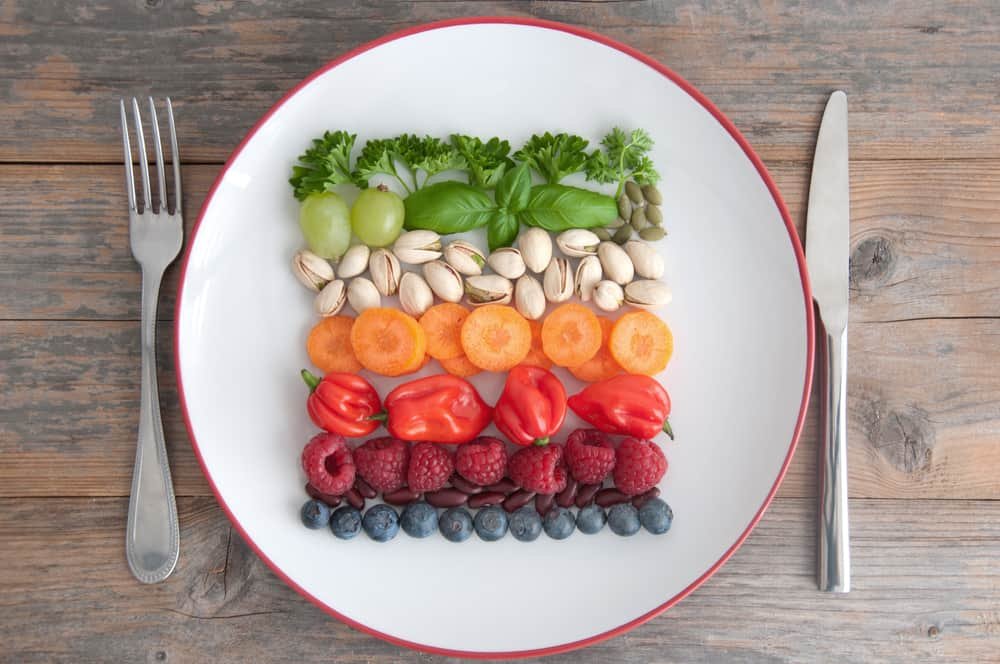
The colorful fruits and vegetables central to ketotarian eating get their hue from anthocyanidins — water-soluble pigments concentrated in berries and deep red-purple leafy vegetables. Research links these compounds to improved lipid profiles, better platelet function, stronger immune response, and even improved ocular blood flow and vision.
Downsides of a Ketotarian Diet
It’s not for everyone — some will find it too restrictive for lasting adherence, and a less restrictive plan might be the better long-term fit. Careful planning is essential, eating out gets more limited, and costs can run higher than less restrictive diets. As always, check with a healthcare provider before starting, ease in gradually to manage the adjustment period, and remember that weight loss ultimately still comes down to burning more calories than you consume.
Foods Encouraged on the Ketotarian Diet
- Low-fructose fruits: blueberries, blackberries, raspberries, watermelon, cantaloupe (strawberries in moderation)
- Non-starchy vegetables: Brussels sprouts, broccoli, cauliflower, zucchini, cabbage, summer squash, avocado, green beans, lettuce, asparagus, mushrooms
- Unsweetened nut milk
- Proteins: nuts, hemp seeds, flax seeds, chia seeds, eggs, fish, shellfish, natto, tempeh, peas, hemp protein powder, spirulina
- Fats: nut butters, olive oil, coconut oil, avocado oil
Foods Discouraged on the Ketotarian Diet
- Starchy vegetables like sweet potatoes and corn
- Carbs like bread, crackers, pasta, rice, cakes, pastries, cookies, chips, ice cream
- Higher-carb fruits like bananas, apples, oranges, cherries, pineapple, mangoes
- Nightshades (tomatoes, peppers, white potatoes, eggplant)
- Dairy products like milk, yogurt, cheese
- Meats like beef, pork, chicken
- Animal fats like lard and bacon fat
Ketotarian Diet for Vegans
Vegans can modify ketotarian eating by dropping eggs, fish, and shellfish entirely, drawing protein instead from nuts, seeds, lentils, and tempeh. Working with a nutritionist or dietitian can help ensure a vegan approach still reaches and maintains ketosis effectively.
Ketotarian Recipes to Try
Tuna & Cheese Balls: Combine 2 cups dried tuna, 4oz softened plant-based cream cheese, ¼-⅓ cup coconut or almond flour, ½ teaspoon baking powder, 1½ cups shredded plant-based cheese, and 3 beaten eggs. Chill 10+ minutes, roll into 24 balls, and bake at 350°F for 20-25 minutes until browned.
Skillet Green Beans: Sauté minced shallots and garlic in olive oil, add diced roma tomatoes and bay leaves, then stir in vegetable base, water, and seasonings. Add 1 lb trimmed green beans, cover, and cook 4-5 minutes. Season with salt and pepper.
Ketotarian Chili: Sauté onion and garlic, add chopped portabella and button mushrooms until browned. Combine vegetable broth, vegetable base, low-carb sweetener, and apple cider vinegar separately, then pour into the pot with black beans and spices (paprika, chili powder, red pepper flakes). Simmer 20-25 minutes.
Buffalo Cauliflower: Toss cauliflower florets with low-carb buffalo sauce, olive oil or plant-based butter, garlic powder, and red pepper flakes. Bake at 450°F for 20-25 minutes or air fry until golden. Serve with celery and a low-carb dipping sauce.
Grilled Garlic Salmon: Season salmon filets with salt, pepper, and thyme, then cook in plant-based butter and olive oil, 5 minutes per side. Finish with a pan sauce of lime juice, zest, and minced garlic.
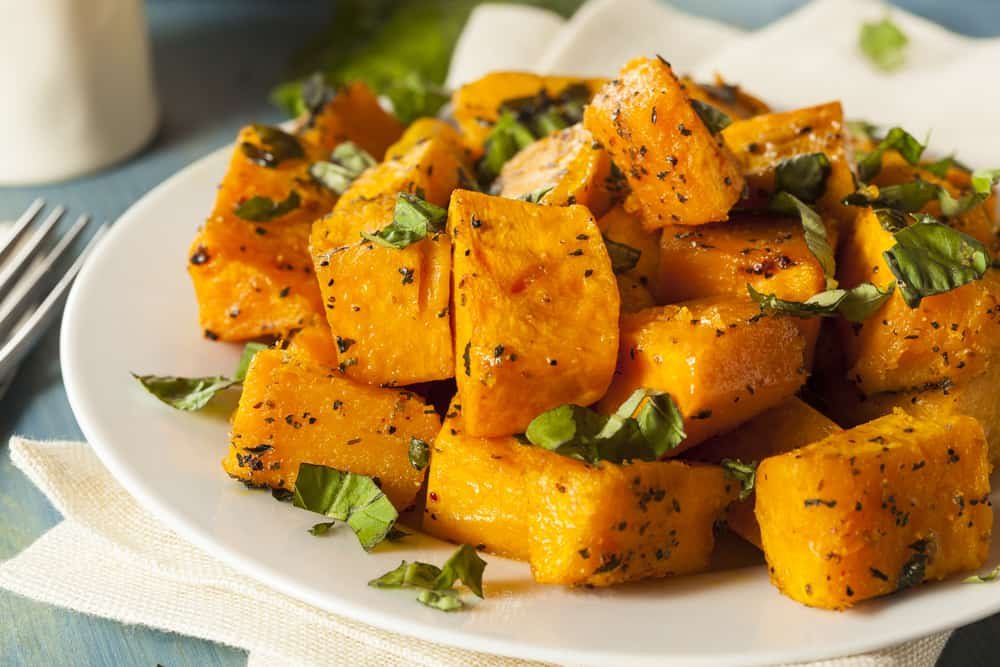
Roasted Butternut Squash with Bacon: Toss squash chunks with olive oil, plant-based butter, garlic, thyme, red pepper flakes, onion powder, and low-carb imitation bacon bits. Roast at 425°F for 30-35 minutes.
Jamaican Jerk Mushrooms: Combine a jerk seasoning blend (onion powder, garlic powder, brown-sugar substitute, parsley, cayenne, paprika, allspice, black pepper, thyme, red pepper flakes, cumin, nutmeg, cinnamon), rub generously over portabella caps drizzled with olive oil, and bake at 450°F for 15-25 minutes, broiling briefly at the end for extra crispness.
Ketotarian Shopping List
Skip bread, red meat, pork, chicken, potatoes, dairy, and sweets. Plan your week ahead — breakfasts might include eggs, low-fructose fruit and nuts, or smoked salmon; lunches could feature roasted vegetables or tuna over greens; dinners might include stir-fry over cauliflower rice or grilled shrimp.
Vegetables: Brussels sprouts, broccoli, cabbage, kale, spinach, salad greens, artichokes, asparagus, avocado, cauliflower, green beans, mushrooms, olives, peas, peppers, summer squash, zucchini.
Fruits: blueberries, blackberries, raspberries, strawberries, coconut, cantaloupe, lemons, limes.
Plant-based fats: nuts and nut butters, chia/sesame/hemp seeds, avocado oil, coconut oil, coconut butter, olive oil, sesame oil.
Dairy substitutes: non-dairy cheese, non-dairy yogurt, unsweetened nut milk.
Fermented foods: sauerkraut, kefir, kombucha, kimchi.
Other protein sources: eggs (optional), fish (optional), natto, nutritional yeast, shrimp (optional), spirulina, tempeh, tofu.
Bottom Line
Research genuinely supports the ketotarian diet’s benefits across multiple body systems, but everyone’s metabolism, health status, and goals differ. As with any significant dietary change, check with a healthcare professional first to confirm it’s the right fit for you.
Explore more Diet Guide reviews and guides on our site.