Noom vs. VShred
Let’s take a closer look at noom vs vshred and what it genuinely offers. Advertisement What do a psychology-based weight-loss app and a fitness-and-diet program actually have in common? Here’s a close look at both, and our bottom line on whether the latest weight-loss technology is the right fit for you. Table of content What […]


Let’s take a closer look at noom vs vshred and what it genuinely offers.
What do a psychology-based weight-loss app and a fitness-and-diet program actually have in common? Here’s a close look at both, and our bottom line on whether the latest weight-loss technology is the right fit for you.
Noom Vs Vshred: What Is Noom?
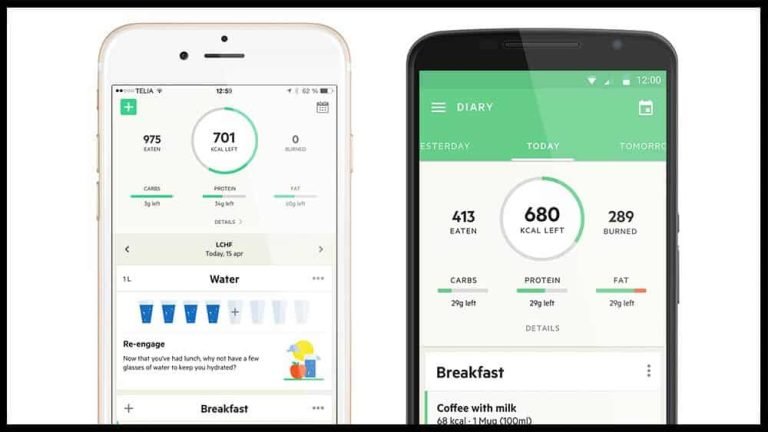
Noom offers personal coaching, progress tracking, a personalized diet plan, and educational content built around permanent weight loss. Its real differentiator is psychology — it explains the “why” behind every change, not just the “what.” The whole program runs through the app, personalized via a detailed questionnaire and drawing on data from millions of previously successful Noom users.
What Is VShred?
VShred is an online diet and fitness company offering customized plans and supplements for men, women, and teens, aiming to help users achieve their “dream body.” Members get a customized diet plan plus access to hundreds of workouts through the website, with additional free content on YouTube.
Noom vs. VShred: History
Brief History of Noom
Founded in New York City in 2008, Noom’s 2016 app launch brought in over 50 million subscribers, with offices now in New York and Tokyo. Investment from Sequoia Capital and Samsung has fueled growth, and the CDC recognizes Noom as an approved lifestyle program.
Brief History of VShred
Launched in Las Vegas in 2017, VShred claims more than 12 million monthly website visitors, 740,000 YouTube subscribers, 40,000 VShred University members, and customers across 120 countries. That said, the company hasn’t been without controversy — the Better Business Bureau opened an investigation in 2018 into misleading advertising and fraudulent credit card activity, an ongoing matter with 186 recorded complaints.
Noom vs. VShred: Who’s Behind the Plans?
Who Created Noom?
Petakov (Princeton-educated computer scientist, ex-Google and Microsoft) and Jeong (Hongik University-educated electrical engineer, hospital board member in Seoul) partnered with physicians, psychologists, trainers, and nutritionists to build Noom.
Who Created VShred?
The VShred website lists four founding members, with M. Nicholas Daniel as business partner and fitness influencer Vince Sant as co-founder of both VShred and the SCULPTnation supplement brand. Beyond that, little public information exists about the team.
Noom vs. VShred: The Rules
Rules of Noom
No strict dietary rules — just gradual behavior-based change built on three pillars.
Education: Ten minutes daily on cognition and food, breaking unhealthy patterns, stress management, sleep quality, and nutrition fundamentals.
Food Logging: Green foods (fruits, vegetables, starches like sweet potato, non-fat dairy) form the healthy base, gradually replacing red and yellow options. Yellow foods (about 45% of intake — lean meats, seafood, legumes, low-fat dairy) require some caution around fat and sugar content. Red foods (fried meats, nut butters, desserts) are fine in moderation.
Fitness Tracking: Given the well-documented tendency to overestimate exercise intensity, Noom credits back just 50% of burned calories — burn 250 calories, and a 1,500-calorie goal rises to 1,625.
Rules of VShred
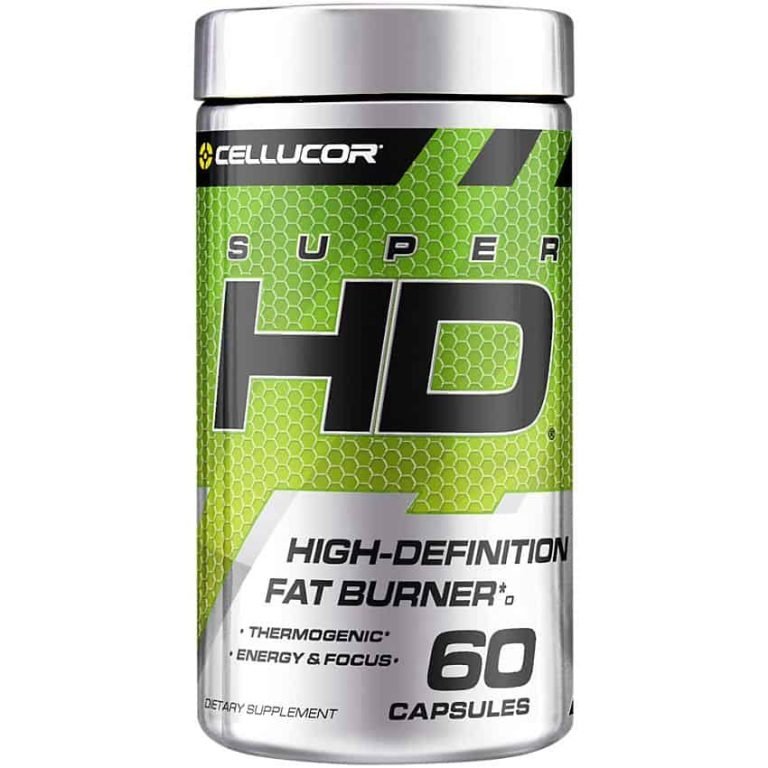
Three guiding principles: make physical activity genuinely challenging but fun; keep recipes simple and enjoyable enough to sustain; and lean on supplements to boost fat loss and muscle building. The SCULPTnation supplement line includes Burn, Burn PM, HGH Boost, Turmeric, Greens, PRE- and POSTworkout formulas, Protein Powder, BCAAs, and Neuroctane.
Noom vs. VShred: Eating Plans
The Noom Eating Plan
The green/yellow/red traffic-light system guides daily choices, with a coach available for personalized tips throughout. A sample five-day menu might include a yogurt parfait or oatmeal for breakfast, salads or soup for lunch, grilled turkey or salmon for dinner, and modest treats like almonds or an occasional cupcake as snacks.
The VShred Eating Plan
Built around a 1,200-calorie daily allowance, with recipes like stuffed bell peppers or egg white muffins for breakfast, chickpea salads or chicken wraps for lunch, and stir-fry or cauliflower chowder for dinner, plus lighter desserts like avocado mousse and frozen yogurt bites. Full recipes are available on the VShred blog.
Noom vs. VShred: Plan Duration
Noom’s Healthy Weight Program runs a minimum of 16 weeks (24 for Diabetes Prevention), extendable for maintenance — $59/month standalone, or $17/month annually. VShred offers 8- or 12-week programs, with a customized diet and training plan starting at $149, plus optional add-ons like Ripped in 90 Days ($47), Six-Pack Shred ($20), or Booty Builder ($35) — none of which are refundable.
Key Differences Between Noom and VShred
VShred leans noticeably more toward fitness than genuine weight-loss strategy, reflected even in its marketing and website presentation. Noom’s real edge is its psychological approach to habit-building — a layer no other program quite replicates.
Can You Follow VShred on Noom?
Yes — you’d simply need to log VShred food and exercise manually in the Noom app alongside VShred’s own tracking.
Possible Side Effects
Noom’s programs carry no reported side effects, given the absence of strict rules or untested supplements. VShred’s unregulated supplement line, on the other hand, has been linked to dizziness, heartburn, diarrhea, indigestion, constipation, mood swings, and nausea, and some users have reported injuries from the workouts themselves.
Noom vs. VShred: The Research
A study of 35,000 women in Scientific Reports found nearly 80% lost weight and kept it off on Noom, with dinner and exercise logging tied to the best results. The Journal of Medical Internet Research confirms coaching access improves long-term success, and the International Scholarly Research Network found behavioral change is key to sustaining weight loss — Noom’s core strength.
VShred hasn’t conducted its own clinical research, but the underlying methods have some independent backing. HIIT, central to VShred’s workouts, was found by the Journal of Sports Science and Medicine to be no more effective than traditional cardio and resistance training overall, though PLOS found it does offer a notable cardiovascular boost for those already in decent shape — beginners often find it too demanding. Research in the Journal of Obesity found HIIT participants lost more visceral (belly) fat than controls, though more research is needed to confirm the effect. VShred’s short-term diet cycling has some support too — the Journal of the International Society of Sports Nutrition suggests brief dieting cycles may support weight loss without the muscle loss common to more restrictive diets. And on VShred’s low-carb option, the Annals of Medicine found improved blood glucose and insulin sensitivity, though long-term data remains limited.
The Bottom Line: Noom vs. VShred
VShred’s underlying methods have some real science behind them, but the overall experience feels more like a fitness program than a comprehensive weight-loss plan, and its marketing may not resonate with everyone trying to lose significant weight. Noom’s combination of human coaching, community, and genuine behavioral education remains the more complete, approachable option.
Frequently Asked Questions
Explore more Exercise reviews and guides on our site.
Overall, noom vs vshred remains worth understanding before you decide.
Overall, noom vs vshred remains worth understanding before you decide.