
Noom vs. Lifesum
Let’s take a closer look at noom vs lifesum and what it genuinely offers. Advertisement Two mobile apps, both offering food logging, fitness tracking, and dietary plans. Using a tech-based app for weight loss builds a real sense of accountability that improves your odds of success — but which app actually delivers more? We looked […]

Let’s take a closer look at noom vs lifesum and what it genuinely offers.
Two mobile apps, both offering food logging, fitness tracking, and dietary plans. Using a tech-based app for weight loss builds a real sense of accountability that improves your odds of success — but which app actually delivers more? We looked closely at both to help you decide.
Noom Vs Lifesum: What Is Noom?
Noom is a 16-week weight-loss program built around behavioral psychology. The underlying philosophy: intrinsic motivation, wanting a better quality of life rather than chasing unrealistic beauty standards, is what actually drives lasting weight loss. Noom builds positive associations between healthy choices and how users genuinely feel, gradually reshaping habits through a fitness tracker, personal coach, food logging tool, and daily nutrition lessons — either following an expert-designed personalized plan or building your own within the app.
What Is LifeSum?
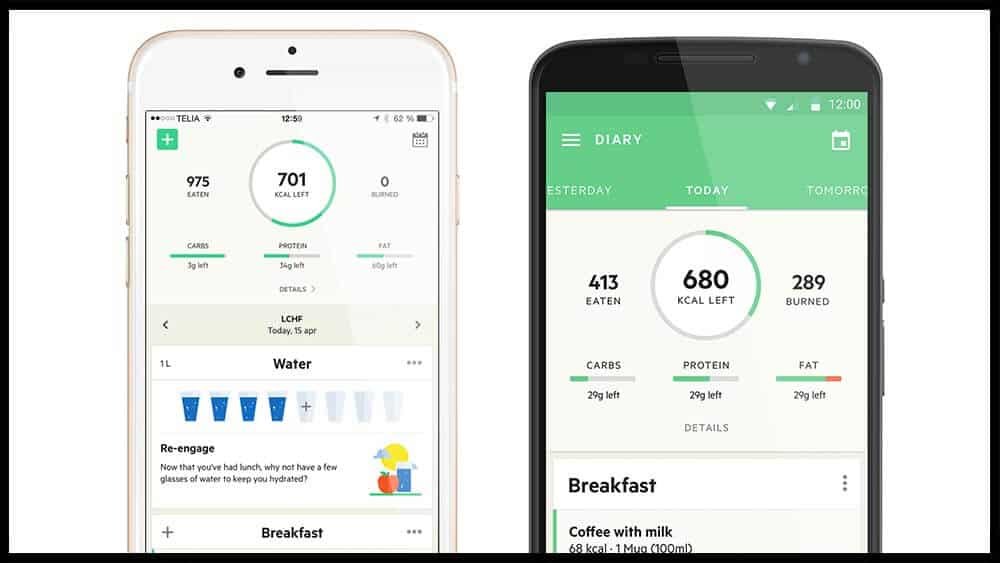
LifeSum is a self-care app supporting weight loss through diet and exercise, matching users to a fitting meal plan with progress-tracking tools. Features include hydration reminders, a food journal, recipes, fitness tips, and a supportive community, available in free and premium tiers that differ mainly in the depth of feedback provided.
Noom vs. LifeSum: History
Brief History of Noom
Originally launched as WorkSmart Labs in 2008, Noom’s app didn’t go live until 2016. Within four years it became one of the world’s most-searched lifestyle programs, recognized by the CDC as an approved lifestyle program. Now with 50 million downloads, Noom partnered with Novo Nordisk on the global obesity fight and added more than 1,500 health coaches in 2019 alone.
Brief History of LifeSum
Based in Stockholm, Sweden, LifeSum launched in 2008 shortly after the iPhone arrived in the Swedish market, built around helping users live healthier without sacrificing quality of life.
Noom vs. LifeSum: Who’s Behind the Plans?
Who Created Noom?
Petakov, a Ukrainian-born computer scientist working at Google Maps, was approached by Jeong, a Seoul hospital board member who’d witnessed obesity’s toll firsthand. Petakov’s Princeton-cultivated interest in psychology made him a natural fit, and the two launched WorkSmart Labs in New York, which evolved into Noom — a name derived from “moon” reversed, symbolizing wisdom and guidance, not (as commonly assumed) a play on “zoom.”
Who Created LifeSum?
Martin Wählby and Tove Westlund built the first Swedish app ever featured in the iPhone App Store, originally hoping for just 100 downloads. LifeSum has since surpassed 6 million downloads in Europe alone, with roughly 80 employees supporting multiple languages.
Noom vs. LifeSum: The Rules
Rules of Noom
Rather than restrictive rules, Noom sorts foods into green, yellow, and red categories, teaching users to choose low-calorie, high-nutrition options — a cup of broccoli (about 35 calories) versus a cup of white rice (over 200) illustrates the underlying logic well. Green foods (egg whites, spinach, berries, whole grains) form the nutritious core; yellow foods (lean meats, eggs, salmon, legumes) require portion awareness; red foods (fried items, sweets, full-fat dairy) are fine occasionally. Fitness tracking credits back 50% of burned calories, accounting for commonly overestimated exercise intensity, and daily 10-minute lessons cover everything from stress relief to food and cognition.
Rules of LifeSum
LifeSum’s structure depends on the chosen diet: Ketogenic Easy (a simplified keto approach restricting carbs), Classic (calorie-based, personalized to age, weight, height, and activity level), Food for Strength (high-protein, muscle-focused), Scandinavian (berries, legumes, fish, whole grains), Mediterranean (whole foods and clean eating, widely regarded as safe and effective), Clean Eating (similar to Mediterranean with added raw meals), and the 5:2 Diet (intermittent fasting with two non-consecutive fasting days weekly — an approach experts remain divided on).
Noom vs. LifeSum: Eating Plans
The Noom Eating Plan
Users choose between a personalized expert-designed plan or building their own within the app, with strong support for vegan, vegetarian, and gluten-free lifestyles. A sample day might include avocado toast for breakfast, chicken and broccoli pasta for lunch, and salmon over wild rice for dinner, with fruit or yogurt snacks throughout.
The LifeSum Eating Plan
Varies by chosen diet, generally emphasizing whole foods over processed snacks, with dedicated tracks for keto, paleo, vegan, and vegetarian lifestyles.
Noom vs. LifeSum: Plan Duration
Noom’s Healthy Weight Plan runs about four months, extendable indefinitely for maintenance, alongside an 8-month Diabetes Prevention Program aimed at improving insulin sensitivity for at-risk users. LifeSum offers structured 7-day meal plans but can be used indefinitely at the user’s discretion.
Key Differences Between Noom and LifeSum
LifeSum lacks Noom’s educational resources, personal coaching, and dedicated fitness tracker. LifeSum does offer multiple named diets with built-in restrictions, while Noom focuses on sustainable change through behavior modification rather than diet-specific rules. LifeSum’s hydration reminder is a nice touch Noom doesn’t include — worth noting given how many people fall short on daily water intake, which itself supports lower calorie intake and better overall health.
Can You Follow LifeSum on Noom?
There’s little reason to run both — Noom already covers LifeSum’s core features plus personal coaching, a fitness tracker, and a food journal.
Possible Side Effects
Mobile weight-loss apps are among the safer approaches available. Neither Noom nor LifeSum promotes excessive dieting, unproven supplements, or extreme workouts, though a quick check with a doctor before starting any new program is always a reasonable step.
Noom vs. LifeSum: The Research
A two-year study of more than 30,000 Noom users in Scientific Reports found nearly 80% lost weight and sustained that loss for the study’s duration. Research in Metabolic Syndromes and Related Disease found obese South Korean men using Noom maintained weight loss well after completing the program, avoiding the classic yo-yo dieting pattern.
LifeSum hasn’t published its own clinical research, but broader research supports the category — a meta-analysis in the Journal of Personalized Medicine found mobile weight-management apps generally improve accountability and self-awareness, both linked to better long-term outcomes.
The Bottom Line: Noom vs. LifeSum
LifeSum is affordable and genuinely easy to use, but it falls short of Noom’s full feature set. Noom’s psychology-driven approach and food categorization system give it a real edge — LifeSum might help shed a few pounds, but Noom builds the foundation for lasting lifestyle change.
Frequently Asked Questions
Explore more Diet Program reviews and guides on our site.
Overall, noom vs lifesum remains worth understanding before you decide.
Overall, noom vs lifesum remains worth understanding before you decide.