Noom vs. Diet Pills
Let’s take a closer look at noom vs diet pills and what it genuinely offers. Advertisement Here’s a look at one of the oldest weight-loss methods around against one of the newest. Diet pills have been a go-to choice for decades, while Noom is a relative newcomer bringing genuine psychological insight to the table. Table […]


Let’s take a closer look at noom vs diet pills and what it genuinely offers.
Here’s a look at one of the oldest weight-loss methods around against one of the newest. Diet pills have been a go-to choice for decades, while Noom is a relative newcomer bringing genuine psychological insight to the table.
Noom Vs Diet Pills: What Is Noom?
Noom is a weight-loss app built with psychologists, nutritionists, and fitness experts, aiming to change how users’ brains approach food so weight loss actually sticks. Beyond color-coded food logging and activity tracking, every subscriber gets matched with a personal coach for ongoing support.
What Are Diet Pills?
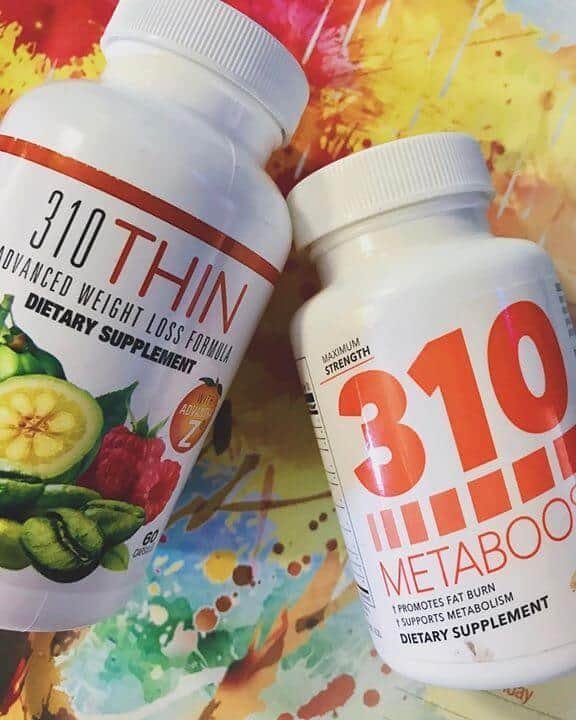
Diet pills fall into two main categories. Non-prescription diet pills are FDA-regulated over-the-counter medications tested through clinical trials — Orlistat (Alli) is among the most popular FDA-approved options. Dietary supplements, by contrast, aren’t FDA-regulated; makers can’t legally claim proven results but often lean on vague references to studies to skirt the rules, and the FDA has pulled dozens of products from shelves after serious side effects surfaced. Common supplement ingredients include caffeine, garcinia cambogia, green tea extract, and raspberry ketones. Several prescription weight-loss medications also exist, generally reserved for patients classified as morbidly obese.
Noom vs. Diet Pills: History
Brief History of Noom
Founded in 2008 and launched publicly in 2016, Noom has reached 50 million users. In 2019, the company added more than 1,000 coaches and partnered with Novo Nordisk to fight obesity globally, and it’s recognized by the CDC as an approved lifestyle change program.
Brief History of Diet Pills
Diet pills gained real traction in the 19th century alongside shifting beauty standards. Early thyroid-extract supplements boosted metabolism but caused severe side effects like irregular heartbeat and tremors. Dinitrophenol, popular in the 1930s, was banned after causing fatal hyperthermia in some users — a turning point that gave the FDA authority to police dangerous supplements. Amphetamines surged in the 1950s after their use as military stimulants became public, offering appetite suppression at the cost of addiction risk. Ephedra, used globally since the 1970s, was legally sold without FDA approval after the 1994 Dietary Supplement Health and Education Act — until the FDA banned it in 2003 following more than 16,000 adverse event reports, the first herbal supplement ban in the agency’s history.
Noom vs. Diet Pills: Who’s Behind the Plans?
Who Created Noom?
Petakov (Princeton-educated computer scientist, ex-Google and Microsoft) and Jeong (electrical engineer, Seoul hospital board member, South Korean Ministry of Science and Technology Committee member) co-founded Noom together.
Who Created Diet Pills?
Soranus of Ephesus, a Greek physician, is credited with pioneering medicinal weight loss in the 2nd century, prescribing purgatives and laxatives — the standard obesity treatment for centuries until new approaches emerged in the late 1920s.
Noom vs. Diet Pills: The Rules
Rules of Noom
Built on fitness tracking, food logging, and education rather than strict rules.
Fitness Tracking: Since people tend to overestimate workout intensity, only 50% of burned calories credit back — burn 300 calories on a 1,500-calorie plan, and your total rises to 1,650.
Food Logging: Green foods (30% of calories) offer the most nutrition; yellow foods (45%, mainly protein and grains) round out most meals; red foods (up to 25%, snacks and sugary drinks) are for occasional indulgence.
Education: Ten minutes daily covering stress management, healthy behavior, and situational triggers — well beyond just diet and exercise.
Rules of Diet Pills
Diet pills aren’t magic — they’re meant to support, not replace, a healthy diet and regular exercise. The fundamental rule remains creating a calorie deficit, whether through reduced intake, increased activity, or both. Since many supplements have a diuretic effect, increasing water intake is important while taking them, with the added benefit of naturally curbing hunger.
Noom vs. Diet Pills: Eating Plans
The Noom Eating Plan
No strict meal plan — just ongoing food logging (manual entry or barcode scanning) that classifies each item as green, yellow, or red, gradually conditioning better choices over time. Green options include peaches, spinach, brown rice, and non-fat dairy; yellow includes lean meats, avocado, and whole wheat items; red includes bacon, fried foods, and sweets, best enjoyed sparingly.
The Diet Pills Eating Plan
Diet pills work alongside virtually any eating approach, though a balanced diet of fresh produce, lean protein, and whole grains is generally recommended, sometimes paired with reduced carbs and fried foods to jumpstart results.
Noom vs. Diet Pills: Plan Duration
Noom’s Healthy Weight Program runs a minimum of 16 weeks (24 for Diabetes Prevention), extendable for maintenance — $59/month standalone or $17/month annually. Diet pills are typically sold in 30-, 60-, or 90-day supplies, and not all are considered safe for long-term use.
Key Differences Between Noom and Diet Pills
Noom drives weight loss through genuine lifestyle change across food, exercise, and self-perception. Diet pills instead target metabolism or appetite directly, often without requiring any other lifestyle adjustments.
Can You Follow Diet Pills on Noom?
Yes, though diet pills aren’t universally safe — always consult a healthcare provider before starting any weight-loss supplement.
Possible Side Effects
Noom carries no notable side effects, and many users report increased energy and better digestion over time. Diet pills and supplements, by contrast, can cause upset stomach, heartburn, diarrhea, mood swings, and rapid heart rate, with severity varying widely by product.
Noom vs. Diet Pills: The Research
Noom ranked among Google’s top-searched diets in 2019, backed by genuine science. A 2016 study in Scientific Reports found 77% of nine-month participants lost significant weight, and research in Metabolic Syndromes and Related Disorders confirmed sustained weight maintenance among previously obese Korean men. Obesity Research and Clinical Practice found a 2-point BMI reduction, and JMIR found significant, sustained weight loss through the Diabetes Prevention Program.
Diet pill research paints a more cautious picture. The Journal of the American Dietetic Association found nearly 20% of Americans use weight-loss supplements, most stimulant-based, and Obesity (Silver Spring) found many users mistakenly assume all supplements are FDA-regulated. A review in the Journal of the American Dietetic Association recommends medical consultation before use, and the American Journal of Preventive Medicine found most users skip the calorie reduction or activity increases that would make results more meaningful. A 2019 review in the International Journal of Obesity Supplements warns of drug interactions and limited safety research. Even seemingly safe options carry risk — a review in Internal and Emergency Medicine documented four women who developed acute liver problems after taking garcinia cambogia, once heavily promoted by celebrities as a safe option.
The Bottom Line: Noom vs. Diet Pills
Some diet pill ingredients, like green tea and caffeine, do carry real clinical support for energy and modest metabolic benefits. But diet pills alone don’t teach how, what, or how often to eat — the exact knowledge needed to keep weight off long-term, which is precisely where Noom’s coaching and education fill the gap.
Frequently Asked Questions
Explore more Diet Supplement reviews and guides on our site.
Overall, noom vs diet pills remains worth understanding before you decide.
Overall, noom vs diet pills remains worth understanding before you decide.