Phosphatidylserine: Benefits, Side Effects & Does It Work?
Nootropics, sometimes called smart drugs or cognitive enhancers, are drugs, supplements, or other substances designed to improve cognitive function — memory, creativity, or motivation — in otherwise healthy individuals. What benefits does this category actually offer? We took a close look at one of the more established options: phosphatidylserine. Advertisement Table of content What Is […]

Nootropics, sometimes called smart drugs or cognitive enhancers, are drugs, supplements, or other substances designed to improve cognitive function — memory, creativity, or motivation — in otherwise healthy individuals. What benefits does this category actually offer? We took a close look at one of the more established options: phosphatidylserine.
Though phosphatidylserine is a chemical the body makes naturally and also gets from food, many Western diets fall short of ideal levels, which is why a number of companies now sell it as a standalone supplement. Rather than reviewing any single brand, we wanted to understand how the substance itself works and what it might offer as part of an overall wellness routine.
Our research team spent hours combing through studies, customer reviews, and other research to see how phosphatidylserine compares to other nootropics on the market, then condensed our findings here to help you decide if it’s worth adding to your routine.
What Is Phosphatidylserine?
Phosphatidylserine is a chemical the body produces on its own, though it also gets a meaningful share from food. Supplements were originally derived from cow brains, but manufacturers have largely shifted to cabbage or soy sources due to concerns about infection risk from animal-derived material.
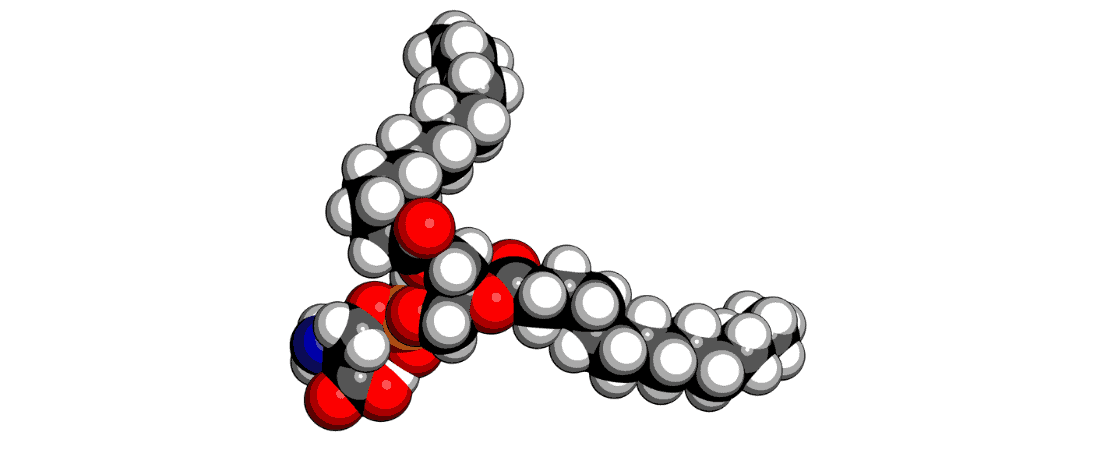
It’s classified as a phospholipid — a fatty substance that covers and protects brain cells while helping carry messages between them, playing an important role in keeping memory sharp. Animal studies suggest levels of this substance decline with age, which is why it’s most commonly used to help prevent age-related mental decline or simply boost brain function generally. According to the Annual Review of Biophysics, this chemical is critical to overall cellular function, particularly in the brain, and also plays a role in bone matrix formation, cell repair, immune clearance, heart rhythm coordination, adrenal hormone secretion, and testicular function.
Phosphatidylserine Claims
Phosphatidylserine is marketed as a way to keep memory sharp with age. Several studies suggest it may boost brain power — participants in concentration and short-term memory tests showed improved recall of names and objects, though more research is needed to confirm those results broadly. Some research also points to potential benefits for muscle soreness and stress in athletes who overtrain, though again, that evidence isn’t yet strong enough to support a firm recommendation.
Phosphatidylserine Sources
Small amounts occur naturally in most foods, with somewhat higher concentrations in white beans and particularly high concentrations in soy.
Does Phosphatidylserine Work?
The research shows promise for age-related mental decline, though it isn’t yet conclusive enough to call it a proven solution. A 1991 study in Neurology treated 149 patients with age-associated memory impairment for 12 weeks using 100mg of phosphatidylserine three times daily; those on the supplement improved relative to placebo on tests tied to learning and daily memory tasks, with the strongest response seen in those who started at a relatively low performance level.
Other research tells a more mixed story. A 2001 study in Nutritional Neuroscience gave 120 elderly participants with memory complaints either a placebo, 300mg, or 600mg of phosphatidylserine daily for 12 weeks, and found “no significant differences… in any of the outcome variables between the treatment groups,” concluding that a daily supplement “does not affect memory or other cognitive functions in older individuals with memory complaints.” Meanwhile, a study in Dementia and Geriatric Cognitive Disorders found that phosphatidylserine combined with DHA “may improve cognitive performance in non-demented elderly with memory complaints” — though since the DHA was attached to the phosphatidylserine before administration, that combination may account for the different result compared to phosphatidylserine alone.
As for athletic performance, a 2007 patent application from Chemi Nutra LLC described using phosphatidylserine to raise testosterone levels, noting that “600 mg per day for ten days increases the testosterone levels,” and suggesting the compound may help combat exercise-induced stress and support a favorable hormonal balance in athletes dealing with overtraining.
Phosphatidylserine Benefits and Results
The primary reported benefit is improved mental sharpness and memory recall, an important factor in addressing age-related decline. Some research also points to potential benefits for athletic performance and stamina, though results remain mixed overall, with dose and frequency of use playing a significant role in outcomes.
Phosphatidylserine and Weight Loss
Phosphatidylserine isn’t an appetite suppressant or fat burner. That said, if it does genuinely boost stamina and athletic performance, per the Journal of the International Society of Sports Nutrition, it could offer an indirect benefit for weight loss — but only as part of a plan that includes actual exercise. If your approach is focused primarily on diet, you’re unlikely to see any weight-related benefit from this supplement.
How to Take Phosphatidylserine
Dosing varies by product, so follow the label directions or guidance from your doctor. As a general rule, don’t exceed 600mg a day, and consider stopping after ten days to give your body a break before restarting a week or two later. There’s no long-term safety data beyond that window, so starting with a 300mg dose and working up gradually can help minimize side effects.
Potential Phosphatidylserine Side Effects
Most people tolerate the soy-derived form without issue, and it’s generally considered safe at up to 600mg daily for no more than ten days at a stretch, though side effects become more common at 300mg and above. These can include trouble sleeping, stomach upset, and gas. Because ingredient quality varies by manufacturer, establishing one universal “optimal” dose remains difficult. Anyone taking blood thinners, managing a blood clotting disorder, or using anti-inflammatory medications or performance-enhancing supplements should talk to a doctor before adding phosphatidylserine to their routine.
Any Phosphatidylserine Lawsuits?
At the time of our research, we found no lawsuits tied to any manufacturer of this supplement.
Phosphatidylserine Food Sources
Rather than supplementing, you can boost intake through diet. It’s found in meat, fish, and smaller amounts in dairy and vegetables, with white beans and soy lecithin offering higher concentrations. Beyond cow brain, some of the most concentrated sources include chicken heart, Atlantic mackerel, Atlantic herring, eel, pork organ meats, tuna, chicken with skin, soft-shell clam, veal, beef, turkey, crayfish, cuttlefish, cod, anchovy, whole grain barley, and trout, with trace amounts in whole milk, carrots, unpolished rice, and potatoes.
Phosphatidylserine Pricing
Pricing varies significantly by brand, dosage, and quantity — a quick search on Amazon turned up products ranging from around $11.73 to $46.
The Bottom Line on Phosphatidylserine
Phosphatidylserine is one of several nootropic compounds people consider for both mental and athletic performance. The research looks genuinely promising in places, but results remain mixed enough that more consistent, positive studies are needed to nail down an ideal dose. And while it’s a legitimate nootropic, it won’t help directly with weight loss, since it isn’t a fat burner or appetite suppressant — any weight-related benefit would come indirectly, through improved exercise capacity as part of a broader, sustainable fitness and nutrition plan.
Explore more Ingredient reviews and guides on our site.
For general guidance on healthy weight management, see the resources available from the NIH.