28 Day Diet: Rules, Foods & Does It Work?
Feeling sluggish, unhealthy, or unhappy about recent weight gain? There’s good news — a lower quality of life isn’t something you have to accept just because of reduced cardiovascular fitness or a less-than-ideal body mass index. Table of content Why the 28 Day Diet Works Is the 28 Day Diet Different From Other Diets? Is […]

Feeling sluggish, unhealthy, or unhappy about recent weight gain? There’s good news — a lower quality of life isn’t something you have to accept just because of reduced cardiovascular fitness or a less-than-ideal body mass index.
One of the more recent diet plans making headlines is the 28 Day Diet Plan. Promoted by Dr. Oz, the “28 Day Shrink Your Stomach Challenge” is designed to help people who follow it reduce their size in a relatively short window — 28 days, as the name suggests.
Why the 28 Day Diet Works
When evaluating any diet, it’s important to get clear on your fitness goals first, according to WebMD. The 28 Day Diet suits people looking to lose weight relatively quickly — say, before an upcoming wedding or reunion, which is a perfectly reasonable motivation. For the most part, this diet is designed as a short-term approach to weight reduction rather than a lifelong eating plan.

Is the 28 Day Diet Different From Other Diets?
One of the biggest reasons people struggle to lose weight and keep it off is failing to make the broader lifestyle changes needed to sustain those losses long-term — without learning the basics of daily weight maintenance, it becomes a never-ending cycle. The 28 Day Diet tries to address that by teaching a more robust, longer-term approach layered on top of its short-term structure.
The focus centers on making healthier food choices and eating smaller portions. Keeping the diet varied and interesting reduces the temptation to cheat and abandon the plan altogether, and building regular exercise into the routine is equally critical to success, according to WebMD.
Is the 28 Day Diet Strict?
The plan is built around getting real results through the combination of diet and exercise, and like most structured diets, following both pieces closely tends to produce the best outcomes.
Followers commit to a 12-hour daily fast, from 9 p.m. to 9 a.m., as a core part of the eating structure.
Addressing Bad Dietary Habits
If you’re serious about the diet, you’ll likely need to address a few underlying habits — alcohol consumption, overly processed foods, and general “empty calorie” eating among them.
The approach is to take things one day at a time. Before reaching for something outside the plan, remind yourself of the bigger goal and skip the extra calories you don’t actually need, advises The Mayo Clinic.
What Foods Can You Eat on the 28 Day Diet?
The diet runs on a 28-day cycle, and within that structure, dieters get access to a genuinely wide range of healthy foods designed to keep mealtime from feeling repetitive or boring.
Green Juice
Getting enough fresh fruits and vegetables in a day can be genuinely difficult, and a green juice or “veggie flush” offers a way to flood the body with nutrients without having to eat every ingredient as a whole food. A typical blend includes celery, spinach, cucumber, lemon juice, and water, according to Livestrong.
Whole Nuts or Nut Butter
Snacking is genuinely allowed on this plan — two tablespoons of nut butter or one ounce of fresh whole nuts fits within the guidelines.
Avocado
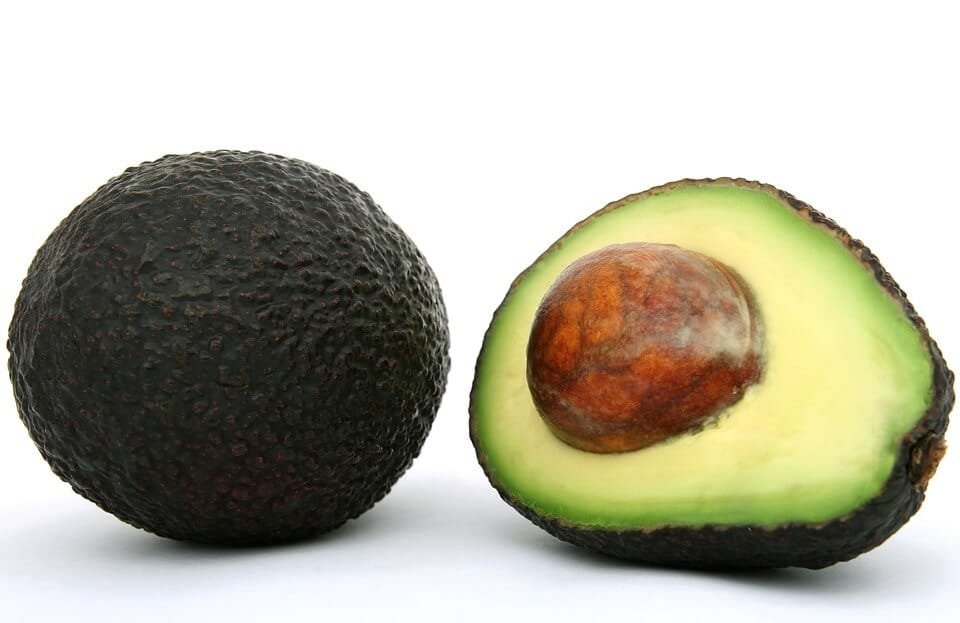
Fresh avocado is a genuine staple, welcome at breakfast, lunch, and dinner alike. It’s rich in potassium and fiber, and may help support healthier cholesterol and triglyceride levels.
Whole Grains
Quinoa, buckwheat, barley, millet, and soba noodles all fit the plan. These whole grains are genuinely nutritious and help dieters feel satisfied at the end of a meal.
Starchy Vegetables
Dieters can enjoy unlimited amounts of potatoes, legumes, corn, yams, pumpkin, and squash at dinner specifically.
Protein Sources
Daily protein comes from a 3-ounce serving of lean meat or 1/2 cup of beans. Lean meat options, per WebMD, include boneless, skinless chicken breast, turkey breast, lean ground beef or turkey, shrimp, or lean fish.
Water
Followers are encouraged to drink freely, ideally up to 64 ounces of water daily. One common misconception is mistaking thirst for hunger — instead of reaching for water when the body actually needs hydration, many people reach for food instead, according to Livestrong. Plain water, of course, carries zero calories, making it an easy, diet-friendly default.

What Foods Are Not Allowed on the 28 Day Diet
Staying focused on the end goal means limiting or cutting a handful of food categories entirely while following this plan.
Desserts and Sugary Treats
For the best results, desserts and sugary treats are best avoided while actively working toward a weight-loss goal.
Highly Processed Foods
Sticking as close to a whole-food-based diet as possible is the goal here. Highly processed foods tend to run higher in sodium, preservatives, nitrates, and other less-than-ideal ingredients — think boxed dinners, frozen meals, snack chips, crackers, and other prepared foods.
Fast Food
Fast food is nearly always at odds with an effective diet plan. Burgers, fries, pizza, wings, and similar favorites carry a substantial amount of fat, calories, and sodium.
Bottled Fruit Juices
Bottled fruit juice might seem like a smart way to get more nutrients, but many popular brands are loaded with sugar and calories, making them a poor fit for this diet.
Snack Foods
An empty chip bag after mindless snacking is a familiar experience for most people. Potato chips, chips and salsa, candy bars, gas station snacks, and other calorie-dense options are best cut from the daily routine.

Frequently Asked Questions About the 28 Day Diet
Do I have to fast?
Yes — intermittent fasting from 9 p.m. to 9 a.m. is a core part of this plan. Intermittent fasting may help reduce insulin resistance and support belly fat and overall weight loss. Skipping food after 9 p.m. means the body doesn’t have to digest and potentially store those late-evening calories as fat — arguably half the battle of losing weight in the first place.
Should I Talk to My Doctor Before Starting?
Before starting any weight-loss or diet plan, checking with your physician first is a smart, low-risk step that helps protect your health throughout the process. Your doctor can also monitor your progress to make sure you’re not losing weight too quickly, and in some cases may recommend additional support, according to All Women’s Talk.
Do I Have to Exercise on the 28 Day Diet?
Some amount of exercise is genuinely part of optimizing results on this plan, according to Healthfully.com. As part of the “Shrink Your Stomach Challenge,” participants are asked to complete a daily plank challenge to strengthen core muscles.
Worried you can’t manage a plank? No need — plank variations exist for every fitness level, from complete beginner to advanced. Done correctly, planks help reduce the appearance of belly fat, improve posture, ease back pain, and support better coordination and balance.
Why Do I Feel Fatigued?
Transitioning to a new, more structured diet takes some adjustment time for the body. If excessive tiredness or fatigue continues, it’s worth flagging to your doctor, who can assess the situation and offer guidance to help you stay on track safely.
Is a Multivitamin or Supplement Necessary?
Whether or not you’re dieting, a daily multivitamin is generally a sound habit for covering nutritional gaps, and additional targeted supplements may help ensure you’re hitting recommended intake levels for key nutrients, according to Healthfully.com.
When Will I Start Losing Weight?
The core appeal of the 28 Day Diet is the promise of noticeable results within the 28-day window. As with most structured diets, sticking closely to the plan — minimizing cheat days — tends to produce visible and felt changes within the first two weeks.
Do I Have to Count Calories?
While counting calories isn’t a strict requirement, keeping general track of intake doesn’t hurt and can help build the kind of mindful eating awareness that prevents regaining lost weight down the line.
Is Alcohol Allowed?
As with most calorie-restricted diets, alcohol is generally best avoided. While some drinks carry fewer calories than others, all alcohol calories are essentially empty — processed by the body as sugar, and stored as fat if not burned off quickly.
Is Daily Exercise Required?
As part of the Shrink Your Stomach Challenge, participants complete plank exercises of varying lengths throughout the month — some days just 20 seconds, occasionally a rest day, and other days up to three minutes. This simple, equipment-free move reinforces core strength to help flatten the stomach faster, according to Livestrong. Participants are also free to layer in additional cardio or strength training for better results.
The Bottom Line on the 28 Day Diet
If you’re looking for a diet that can help you trim down relatively quickly, the 28 Day Diet offers a straightforward, no-nonsense approach. At minimum, following the diet and exercise plan consistently for a month should produce visible results. Good luck.
A good tracking app can make a genuine difference in sticking with any structured plan like this one — logging meals, monitoring the fasting window, and staying accountable to the daily plank challenge all become easier with the right tool alongside a solid support system.