
Hydroxycitric Acid: Benefits, Side Effects & Does It Work?
Hydroxycitric acid is a supplement ingredient derived primarily from the Garcinia Cambogia plant, found specifically in the rind of the fruit — the part typically not eaten. Table of content What Is Hydroxycitric Acid? Hydroxycitric Acid Ingredients Does Hydroxycitric Acid Work? Hydroxycitric Acid Benefits and Results Hydroxycitric Acid and Weight Loss How to Use (Take) […]


Hydroxycitric acid is a supplement ingredient derived primarily from the Garcinia Cambogia plant, found specifically in the rind of the fruit — the part typically not eaten.
What Is Hydroxycitric Acid?
Smaller amounts of hydroxycitric acid also occur naturally in hibiscus flowers and other close relatives of the Garcinia Cambogia plant. Chemically, it shares many characteristics with citric acid, the compound found in oranges and other citrus fruits.
According to WebMD, many people take hydroxycitric acid specifically for weight loss, and there’s also research pointing to benefits for endurance and general physical performance during exercise.
Hydroxycitric Acid Ingredients
Hydroxycitric acid is the primary active compound found in Garcinia Cambogia rind, though it’s also present in various other fruits and flowers. Because Garcinia Cambogia contains such a high concentration, most manufacturers source their HCA from this particular plant.
It’s worth noting that “hydroxycitric acid,” “HCA,” and “Garcinia Cambogia” are often used interchangeably online, which isn’t entirely accurate — this chemical compound has multiple natural sources. Since HCA is a specific chemical compound, checking the ingredients label is the most reliable way to confirm what a product actually contains — U.S. law requires all active and inactive ingredients to be listed. To get meaningful benefits from HCA, most sources suggest at least 30mg of active ingredient.
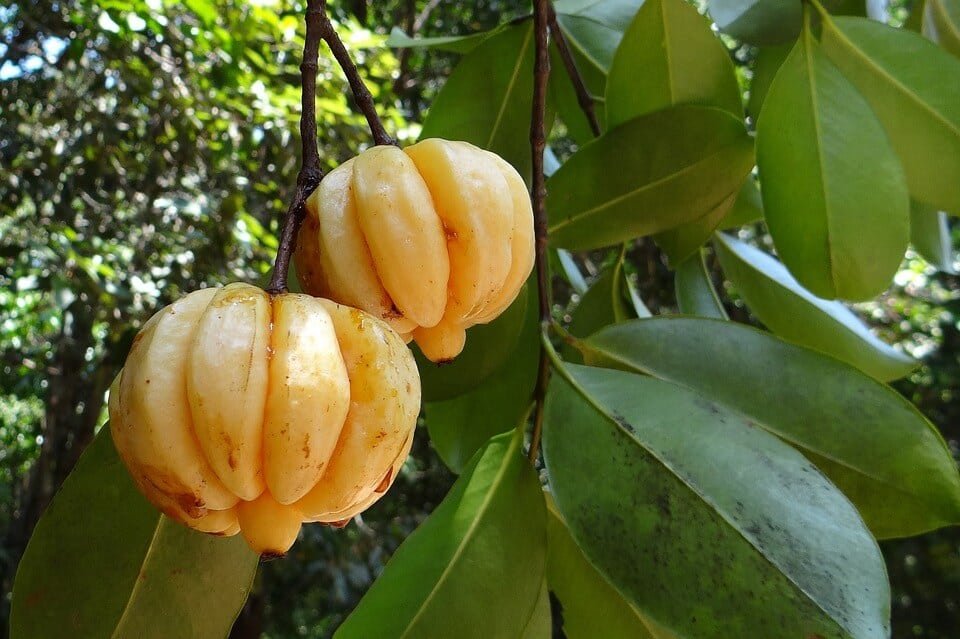
What Is Garcinia Cambogia?
Also known as Malabar tamarind, this plant carries some of the highest natural concentrations of hydroxycitric acid found anywhere, concentrated heavily in its rind. Most commercial HCA sold in food products, beverages, and supplements is sourced from this plant. Originally native to Asia, it has since spread to growing regions as far as South America.
The scientific name “Garcinia Cambogia” has largely replaced “hydroxycitric acid” in marketing, partly because “acid” isn’t the most appealing word on a supplement label. Not all HCA comes from Garcinia Cambogia, though — it’s also found in citrus fruits like lemons and oranges (hence “citric acid”). Because the terms get used so interchangeably in casual conversation and online, it’s a genuinely confusing topic to untangle.
Does Hydroxycitric Acid Work?
While the science isn’t airtight, there’s reasonable evidence that hydroxycitric acid does offer some benefit — the exact extent is still being worked out. Researchers point to two main mechanisms behind its effects.
The first is a mild appetite-suppressing effect. Similar to how stimulants can support weight loss by curbing calorie intake in the first place, HCA may work in a comparable way. Research in this area is ongoing, but many users report a mild to moderate reduction in hunger cravings — potentially tied to HCA’s effect on serotonin production, since serotonin plays a role in regulating hunger and, according to some researchers, daily activity levels. Boosting serotonin may help counteract some of the weight-gaining effects associated with low serotonin levels.

The second proposed mechanism is thermogenesis. When core body temperature rises, the body needs more fuel to maintain energy and normal function, drawing on stored fuel — fat — to meet that demand. HCA may trigger this thermogenic response, contributing to additional weight loss, a mechanism shared by other supplement categories like nitric oxide boosters and caffeine-based products.
According to NCBI, this two-pronged approach — appetite suppression plus thermogenesis — forms the basis of most researchers’ and observers’ belief that hydroxycitric acid genuinely supports weight loss.
Hydroxycitric Acid Benefits and Results
HCA’s benefits are widely publicized, with TV personalities like Dr. Mehmet Oz and the hosts of “The Doctors” regularly discussing HCA and Garcinia Cambogia. Most people turn to it specifically hoping to shed excess weight.
The benefits generally fall into two categories. First, the thermogenic effect described above, which shifts the body toward burning stored fat when it needs quick energy. Second, an increase in energy and serotonin — researchers aren’t entirely sure of the exact mechanism connecting serotonin to energy gains, but the connection has been observed consistently, along with meaningful endurance improvements compared to baseline.
According to Psychology Today, a genuine endurance boost translates into better, longer workouts. Combined, these two effects account for most of the practical upside people report from a Garcinia Cambogia supplement — though, as with most supplements, results tend to be noticeably better when paired with a solid diet and consistent exercise.

Hydroxycitric Acid and Weight Loss
Weight loss from HCA tends to be relatively moderate compared to more aggressive supplements on the market — which often carry harsher side effects in exchange for stronger results.
HCA tends to suit people looking for a mild-to-moderate boost to their weight-loss efforts rather than a dramatic transformation. While the effects of Garcinia Cambogia aren’t tremendous on their own, any genuine step toward a healthier weight is a worthwhile one for people who are overweight.
Actual results vary based on individual factors — starting weight and activity level both play a significant role in how much weight someone ultimately loses. According to the CDC, people who weigh more at the outset tend to see more noticeable results from an HCA-containing supplement.
How to Use (Take) Hydroxycitric Acid
Most people get their HCA through a Garcinia Cambogia supplement, since the majority of natural HCA worldwide comes from this plant’s rind — a source that’s been used medicinally across Asia and the Near East for thousands of years.
Different supplement brands come with different dosing instructions and formats — capsules and pills are the most common, typically taken a few times daily. As with any supplement, higher doses tend to carry a higher risk of side effects, so it’s worth being deliberate about dosage rather than avoiding higher amounts entirely.
According to WikiHow, some foods and beverages are also infused with Garcinia Cambogia extract, occasionally at concentrations strong enough to deliver a full daily dose. Whether you’re taking a pill, capsule, or infused food product, checking the label for exact dosing instructions is always worthwhile.
Hydroxycitric Acid Product Warnings
The general scientific consensus is that hydroxycitric acid is relatively safe when used for three months or less. Its safety over longer periods hasn’t been well established.
This supplement has a long history of traditional use across Asia and Africa, though a long history of use isn’t the same as a guarantee of safety — tobacco being a classic counterexample. Speaking with a doctor before starting is always the safer move.
According to NCBI, pregnant or breastfeeding individuals should avoid hydroxycitric acid supplements entirely. Its effects on expectant mothers remain largely unstudied, and most doctors recommend erring on the side of caution.

Is Hydroxycitric Acid Safe?
HCA is generally considered “possibly safe” for most people when used for less than three months. According to WebMD, anyone in a higher-risk health category should consult a physician before trying it.
Hydroxycitric Acid Side Effects
Possible side effects include irritability, nausea, upset stomach, mild headaches, trouble sleeping, and nervousness.
Hydroxycitric Acid vs. Probiotics
According to WebMD, hydroxycitric acid and probiotics don’t have much overlap functionally. Some people report that probiotics support increased energy, though the underlying mechanism there isn’t fully understood either. Combining the two supplements is generally considered reasonable, though it’s still worth checking with a healthcare provider first — especially for anyone already managing stomach issues.

Hydroxycitric Acid Alternatives
There are plenty of HCA alternatives on the market. The best option ultimately comes down to whichever causes the least discomfort while still supporting your specific fitness goals — and since everyone’s goals differ, no single pill fits everyone perfectly. Here are a few worth exploring, particularly if HCA-based products aren’t a good fit or you’re sensitive to its side effects.
NVein
Released by Nutrex in 2015, NVein has remained a popular nitric oxide supplement thanks to its proprietary blend — a differentiator many supplement companies guard closely to stand apart from competitors. Unlike single-ingredient HCA products, NVein combines several active compounds, including nitric oxide boosters (which enhance performance and thermogenic effects more aggressively than HCA), high-end carbs like cluster dextrin favored by serious athletes and bodybuilders, and sodium nitrates to support lifting and muscle pumps. It’s considerably stronger than HCA and best suited for people who’ve hit a training plateau or are seriously committed to significant muscle or weight-loss goals.
Hydroxycut Advanced
A twice-daily pill that lands between NVein and HCA in overall strength, Hydroxycut Advanced targets people in the middle stages of a weight-loss or fitness journey. According to Mayo Clinic, while it skips carbs and nitric oxide, it leans heavily on caffeine, which research consistently shows can meaningfully support weight loss when used properly — largely through appetite control and a thermogenic boost. Taken as one to two pills twice daily, Hydroxycut is one of the most widely available weight-loss supplements worldwide, found in nearly every grocery store, making it a reasonable middle-ground option for people wanting something stronger than HCA but lighter than a full bodybuilding stack.
Burnz
Released by Burns Nutrition back in 2008, Burnz is built around a single purpose: fat burning. Unlike Garcinia Cambogia products that sometimes offer secondary benefits like muscle gain or mood support, Burnz stays laser-focused on fat loss. Its proprietary blend isn’t fully public but includes nitric oxide, caffeine, ephedra root, yohimbe, and other stimulant compounds. Users typically take one or two capsules daily depending on stimulant tolerance. According to WebMD, it’s best suited for busy people wanting to curb weight gain, though real weight loss still requires pairing it with diet and exercise. Given the strength of the stimulant blend, it’s best avoided close to bedtime to prevent sleep disruption.
Hydroxycitric Acid Uses
Hydroxycitric acid is used primarily as a weight-loss aid and mild stimulant, though anecdotal reports point to other traditional uses tied to the broader Garcinia Cambogia plant. Scientifically, though, the bulk of documented HCA benefits fall within the energy-boosting and weight-loss space specifically.
Products Containing Hydroxycitric Acid
HCA shows up in a wide range of products, and checking the ingredients list for “Garcinia Cambogia” is generally a reliable way to identify whether HCA is present, since marketers largely moved away from using the “hydroxycitric acid” name directly — it tended to raise more questions than it answered for potential buyers.
Foodstuffs, beverages, supplements, and pills all commonly contain HCA, and it’s one of the more well-studied weight-loss supplement ingredients out there, which is part of why so many people continue to swear by it.
The Bottom Line on Hydroxycitric Acid
So, what’s the final verdict? While hydroxycitric acid shows up in countless dietary supplements and nutritional products, the research backing many of its specific claimed benefits remains fairly limited. It’s also worth being aware of the potential for side effects when using it.
Losing weight doesn’t always require supplementation at all — a comprehensive, research-backed approach that combines a sustainable eating pattern with regular activity tends to deliver more consistent, lasting results than any single ingredient, HCA included.