
Vegan Diet | Detailed Guide for Beginners
The vegan diet can be a genuinely divisive topic — some people are strong advocates, while others remain quite skeptical. The truth is that it’s a fairly complex approach, with real benefits alongside real drawbacks, and it can be a genuinely difficult diet to follow well. Table of content What Is a Vegan Diet? What […]

The vegan diet can be a genuinely divisive topic — some people are strong advocates, while others remain quite skeptical. The truth is that it’s a fairly complex approach, with real benefits alongside real drawbacks, and it can be a genuinely difficult diet to follow well.
So what is a vegan diet exactly? What can you actually eat on it? Is it good for you, and what are the real benefits? Let’s cover all of that and more.
What Is a Vegan Diet?
Veganism can be thought of as a subcategory of vegetarianism. Vegetarianism itself dates back to ancient times, most notably in Ancient India and Ancient Greece, and the practice of avoiding meat shows up throughout history. In the United States specifically, vegetarianism became more mainstream in the 1800s, often driven by ethical or spiritual motivations and closely tied to other movements of the era, like temperance.
People have practiced what we’d now call a vegan diet for nearly as long as civilization has existed, though for most of that history, there wasn’t much distinction made from vegetarianism. The word “vegan” itself wasn’t coined until 1944, by animal rights advocate Donald Watson.
As originally conceived, veganism was rooted in the conviction that exploiting animals for meat, milk, eggs, leather, or anything else is fundamentally unethical. People who hold to that original framework are known as ethical vegans, for whom the philosophy extends well beyond diet — opposing leather and fur production, animal testing, and other forms of animal exploitation.
That said, a large share of today’s vegans focus primarily on diet rather than the full ethical framework, which is the focus of this piece. People adopt a vegan diet for a wide range of reasons — protecting the environment, managing food sensitivities, following spiritual beliefs, or simply chasing the health benefits.
According to the Vegetarian Resource Group, veganism has grown rapidly in popularity through the 21st century — roughly 3.7 million adults in the U.S. now eat vegan, about 3.3% of the adult population, or 1 in 30 people. It tends to be more common among women, adults ages 18–34, and people living in the Northeast, though there’s also a notable uptick among adults 55–64, possibly tied to using diet to manage age-related health concerns.
“Veganism is also a great lifestyle choice for those concerned about the environment and the health-conscious. It’s much more efficient to consume crops directly rather than feed them to farmed animals and then eat the animals. Vegans, by definition, also tend to eat more fruit and vegetables which are among the healthiest foods out there, contributing to their great health,” says Dominika Piasecka, spokeswoman for The Vegan Society.
What Can You Eat on a Vegan Diet?
There’s a meaningful difference between vegan and vegetarian eating. Vegetarians avoid the flesh of mammals, poultry, fish, and other animals, but continue eating everything else — including non-meat animal byproducts like dairy, butter, eggs, and honey.
Vegans go further, excluding not just meat but all animal byproducts entirely — no meat, poultry, fish, dairy, butter, eggs, or honey. Some strict vegans also avoid foods made with animal-derived additives, like cochineal, a red food dye made from dried beetles.
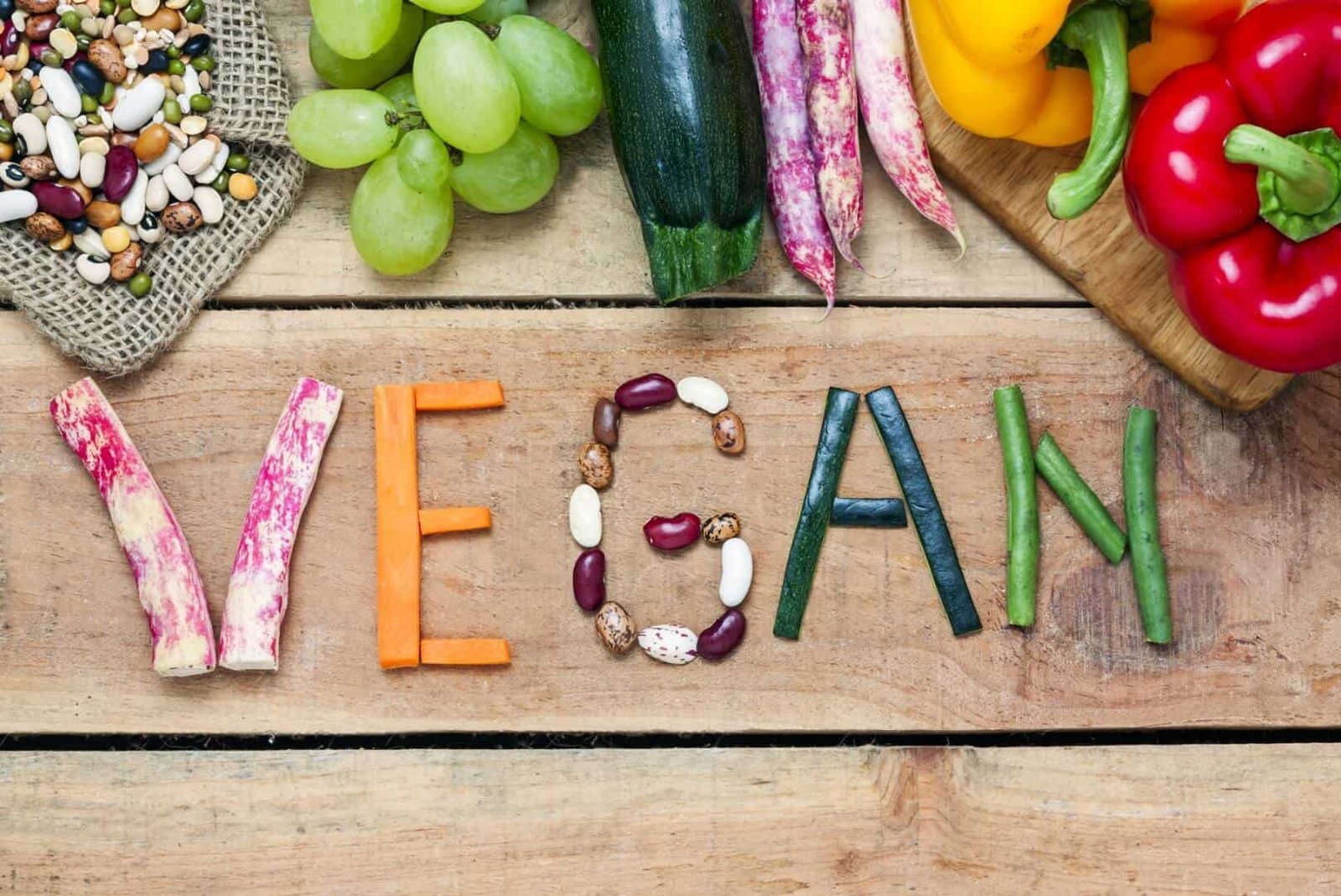
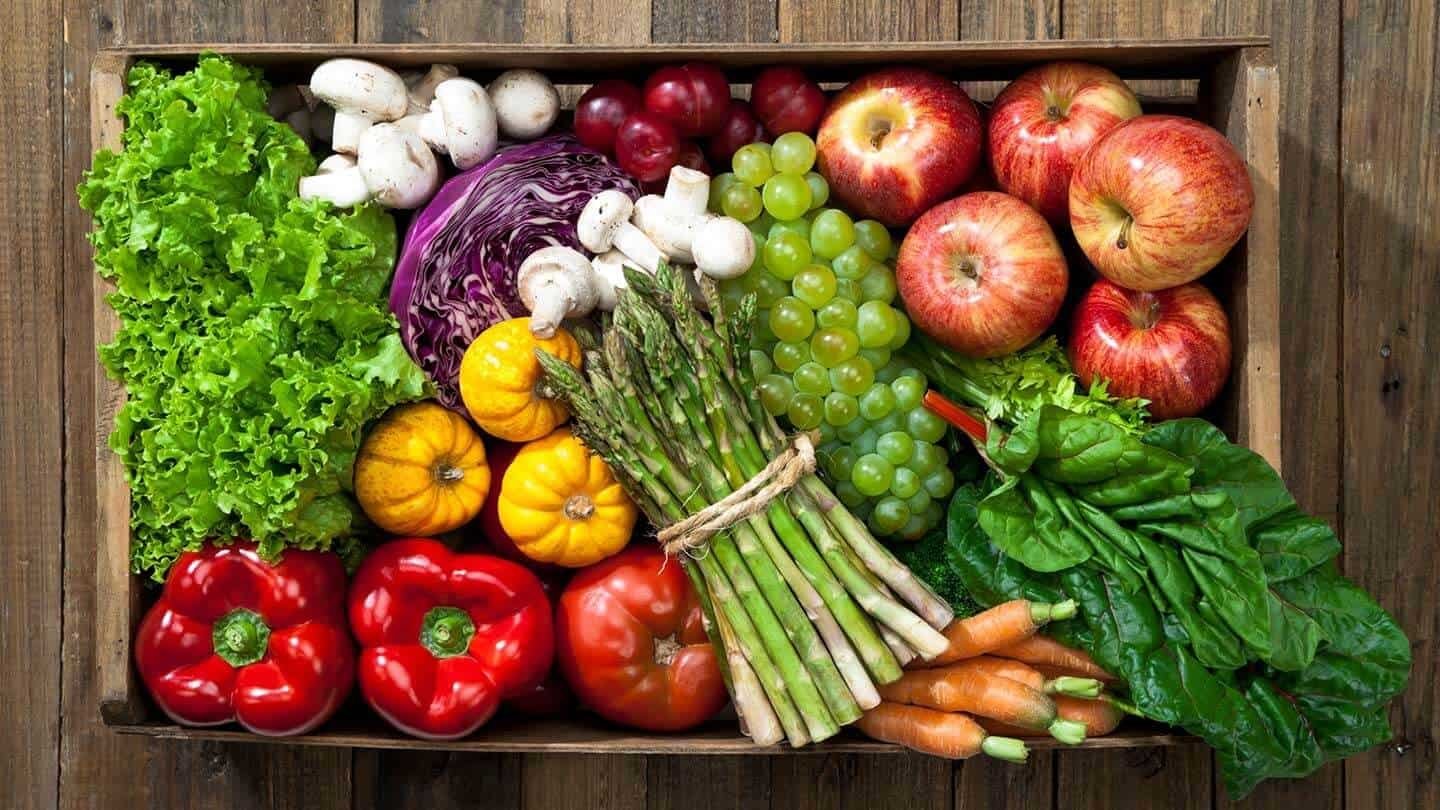
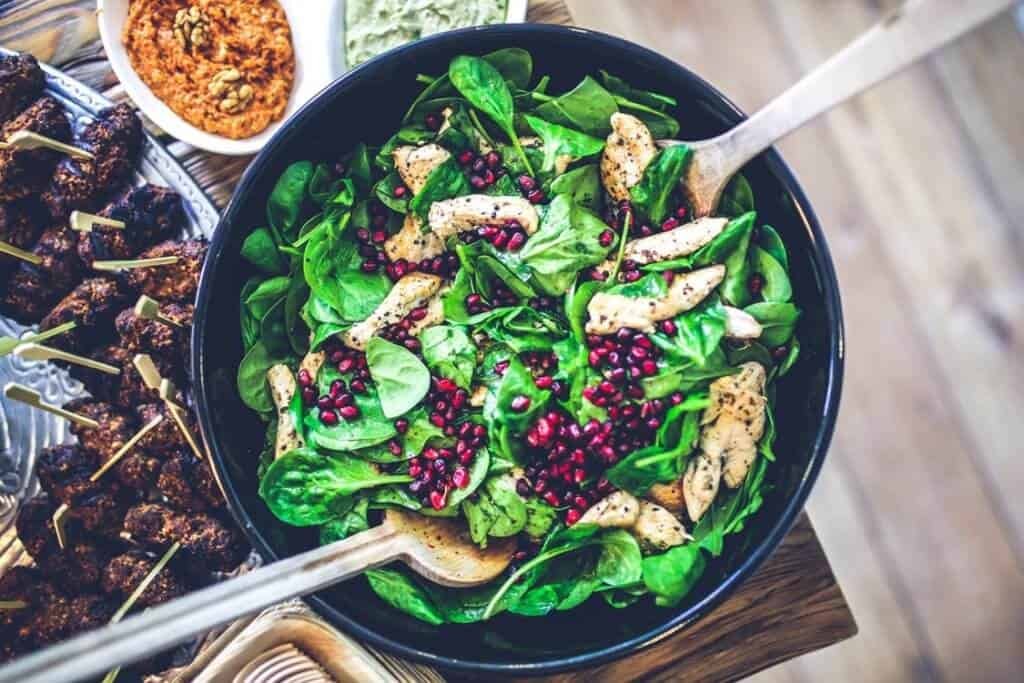
For many Americans, meat and animal products make up a substantial part of daily eating, which can make the list of “forbidden” vegan foods feel restrictive at first glance. But it helps to focus on what you can eat instead — a vegan diet revolves around fruits, vegetables, beans, legumes, nuts, and seeds, categories with enough internal variety to keep meals genuinely interesting, especially with creative seasoning.
A Well-Planned Vegan Diet
Even a strict vegan diet can be genuinely fun to work with. “If you think the vegan diet is boring and restrictive, you’re in for a delicious surprise. Once you break up with animal products, you’ll discover a whole new world of foods and flavors. Mealtime becomes exciting and adventuresome. Plus, with the increasing popularity of veganism, you’ll find more and more options on your grocery store shelves. Bonus: When you eat a well-rounded diet of healthy, plant-based foods, you rarely have to count calories or measure portions. That’s liberating!” says Lisa McComsey, coauthor of Vegan Cheat Sheet and a reformed omnivore.
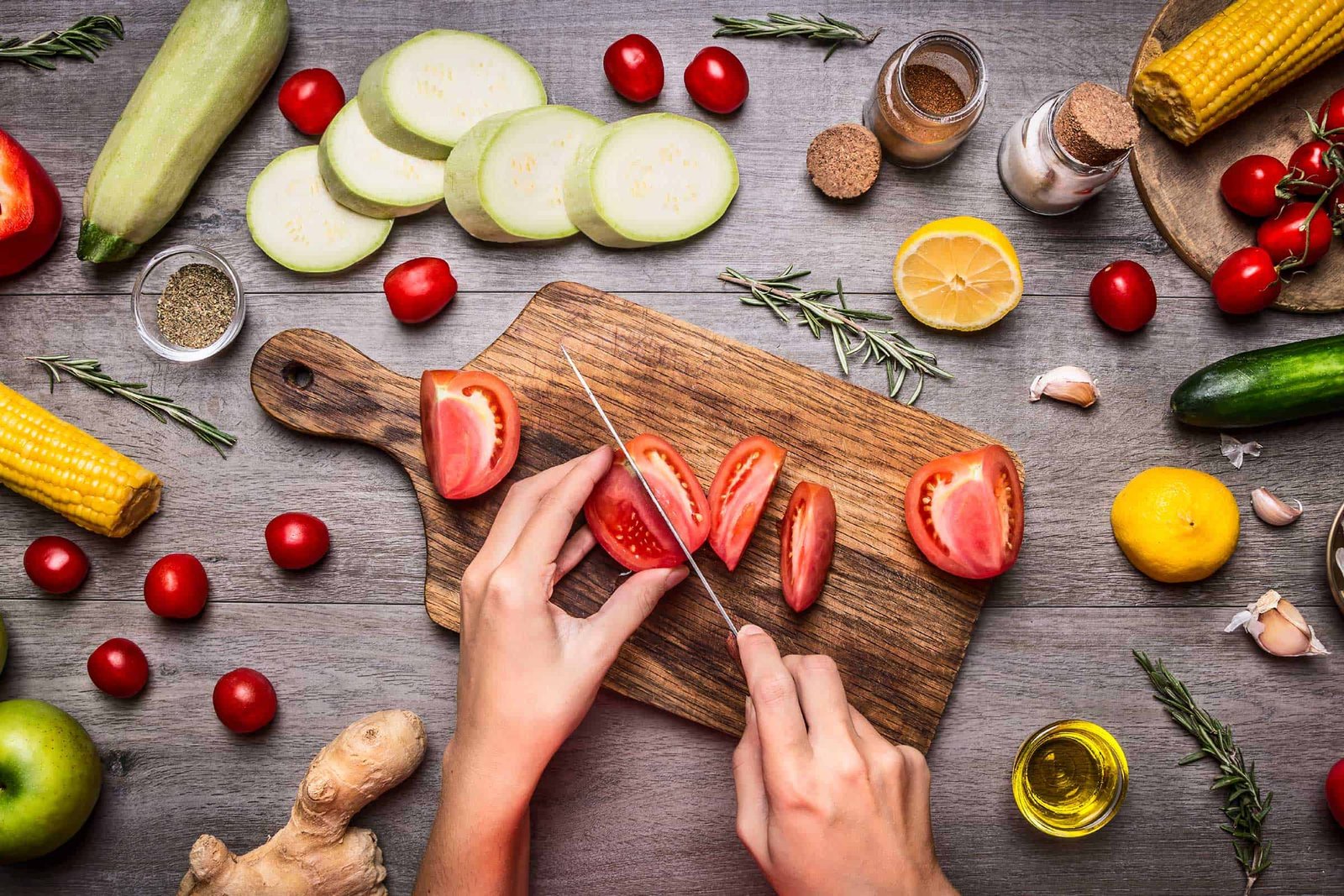
That said, the best version of a vegan diet isn’t just meat- and animal-free — it should be genuinely well-planned. Being vegan doesn’t automatically make a food healthy, and plenty of vegan-friendly cookies and snacks fall firmly into “junk food” territory. Each meal should ideally include a good mix of fruits and vegetables, healthy carbohydrates, plant-based protein, and healthy plant fats, with some attention paid to a handful of nutrients that are naturally less abundant in plant foods than animal products.
There are several variants of the vegan diet, and which one fits best really depends on individual health goals. The raw vegan diet, for instance, includes only foods that haven’t been heated above 118°F. According to ScienceDirect, proponents believe cooking destroys nutrients and enzymes, though that claim remains scientifically debated, and raw food diets do carry an elevated risk of foodborne illness. Even so, some research suggests raw vegan eating may reduce fibromyalgia symptoms in certain individuals. Other variants include vegan Paleo (excluding grains and processed foods) and no-sugar vegan (excluding processed sugar and sometimes fruit).
Is the Vegan Diet Unhealthy?
Veganism isn’t a perfect diet by any measure. While vegans tend to get higher intakes of certain essential nutrients, they’re also prone to running low on others, particularly without careful meal planning — namely vitamin B12, vitamin D, vitamin A, calcium, and omega-3 fatty acids. Since the iron and zinc found in plant sources aren’t absorbed as efficiently as their animal-based counterparts, vegans may also face a higher risk of deficiency in those minerals specifically.
Left untreated, any of these deficiencies can lead to serious — and in severe cases, even fatal — health complications, which is exactly why a genuinely well-planned approach matters so much for making veganism a healthy long-term choice. It’s also worth noting that sticking with the diet long-term can be genuinely difficult for some people, though highly individual — plenty of others find it surprisingly easy to maintain.
Improved Nutrition
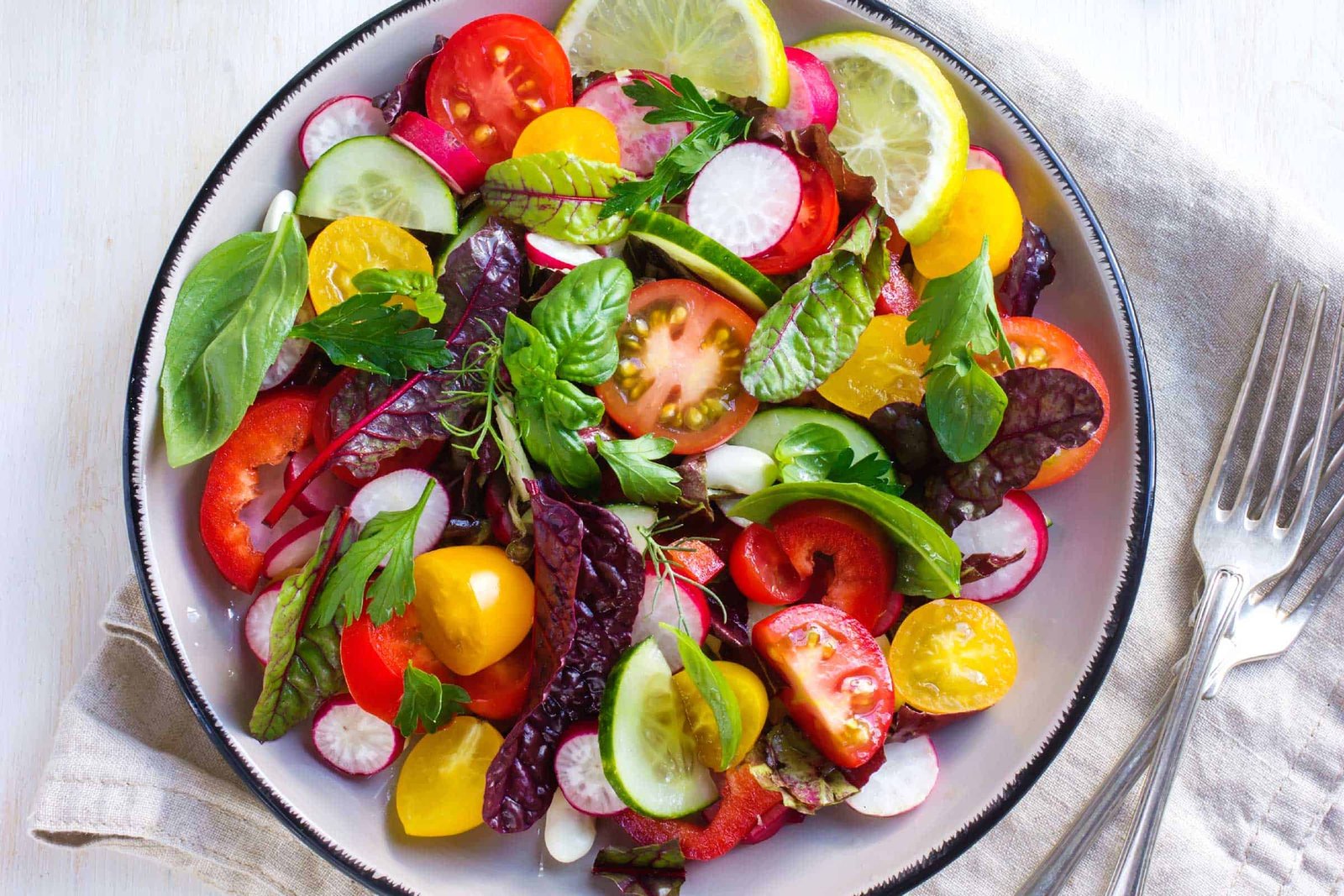
Is a well-planned vegan diet genuinely good for you? The research says a fairly resounding yes. A paper in the American Journal of Clinical Nutrition found vegan diets provide higher levels of several key nutrients compared to the average American diet — vitamin C, vitamin E, folic acid, potassium, dietary magnesium, fiber, healthy unsaturated fats, and antioxidants. As MedlinePlus notes, each of these nutrient advantages carries genuine health benefits — a reduced-calorie diet, for instance, has been linked to a longer lifespan.
Vegan Diet and Weight Loss
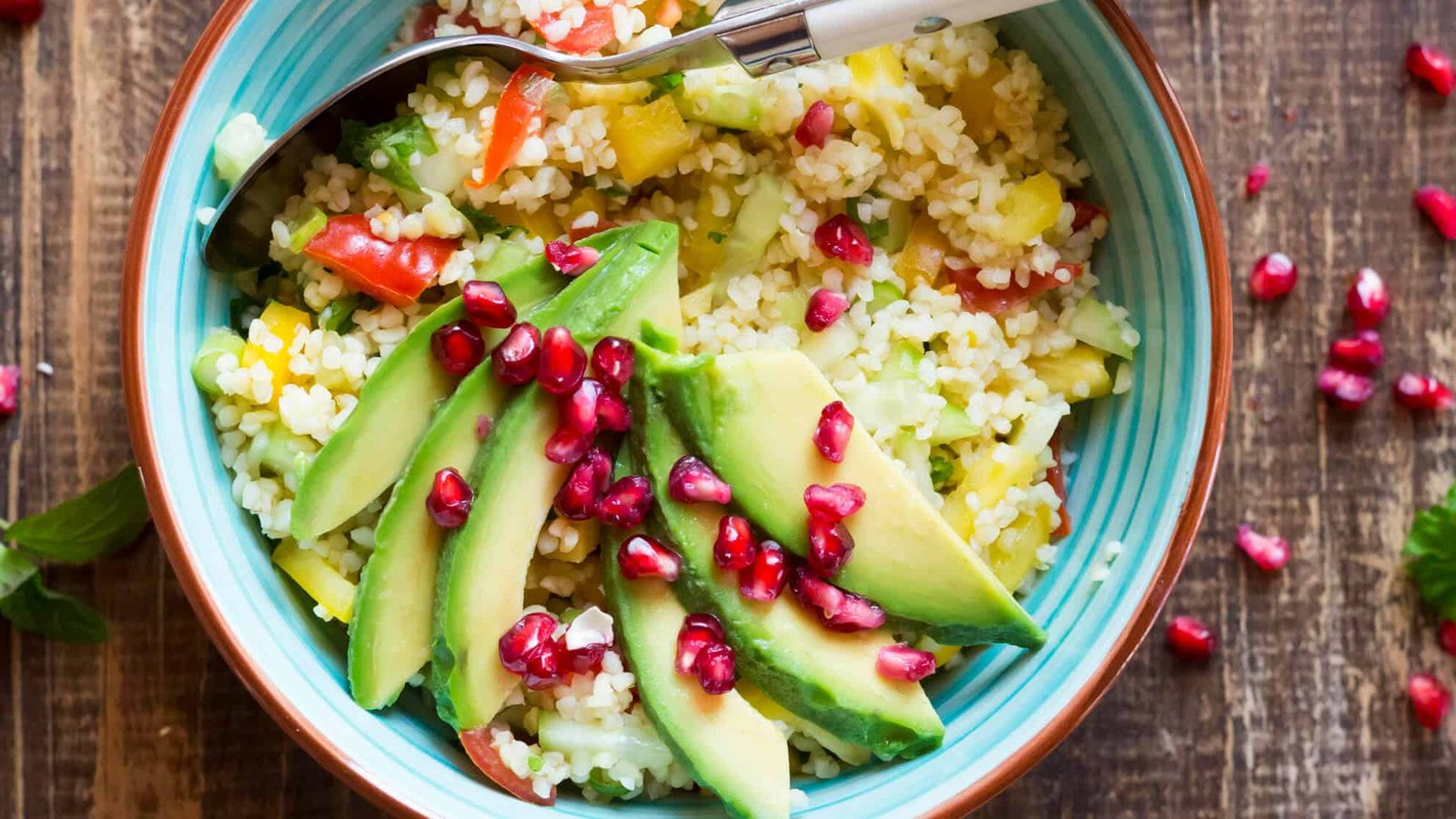
A well-structured vegan diet can support meaningful weight loss, or help maintain a healthy weight for people who are already there. In one notable study drawing on data from over 65,000 people with varying dietary habits, published in Public Health Nutrition in 2003, vegans showed the lowest average BMI of any dietary group studied, and experienced obesity at roughly a quarter the rate of meat-eaters.
That effect, of course, only holds up with a properly balanced approach — success on a vegan diet for weight loss generally means building meals around low-calorie vegetables and plant protein, while keeping fats and sugary treats to a minimum.
Heart Health
According to NCBI, a meta-analysis spanning multiple studies on veganism’s health effects found generally positive results for cardiovascular health, including better average blood lipid profiles among vegans. These benefits are thought to stem from a combination of factors — a lower average BMI, along with higher intake of fiber, nutrients, and antioxidants.
Additional Medical Considerations
A vegan diet can be even harder to follow if you’re managing a medical condition that restricts what you can eat. Anyone with a gastrointestinal condition causing dietary fiber intolerance, for instance, likely isn’t a good candidate for veganism, and some conditions could genuinely worsen on a poorly managed vegan diet.
Is a vegan diet automatically healthy? No — one of its real drawbacks is that cutting out animal products isn’t itself a guarantee of better health, especially if the diet still leans heavily on vegan-friendly junk food like chips or cookies. Getting the genuine health benefits of veganism requires limiting unhealthy foods too, even the ones that technically qualify as vegan.
How to Start a Vegan Diet
Anyone considering a vegan diet should take time to genuinely understand how to approach it before diving in headfirst — going in unprepared tends to set people up for an early exit. Plenty of resources exist online for making the transition easier, and it’s worth learning how to stay properly nourished on a vegan diet to sidestep the potential nutrient gaps mentioned above.
The transition can feel especially challenging for anyone used to relying on frozen meals, fast food, or other convenience options, since vegan convenience foods tend to be less widely available and often more expensive. Weekly meal prep can help close that gap — batch-cooking a large portion of food at the start of the week (ideally something that freezes well) and portioning it out to reheat throughout the week saves real time and effort in the long run.
Vegan Foods and Meal Planning
Plenty of online resources exist specifically for weekly vegan meal prep and inspiration. Building genuine variety into your meal rotation helps keep things interesting and makes the diet far easier to stick with long-term. Trying new recipes regularly, and leaning on vegan versions of familiar favorites — almond milk, veggie burgers, dairy-free pizza — can also make the transition feel less like a loss and more like a genuine substitution.
As mentioned earlier, a handful of nutrients are easy to miss on a vegan diet: vitamin D, vitamin B12, vitamin A, calcium, and omega-3 fatty acids. Supplements can help close those gaps, though getting nutrients directly from whole foods is generally considered the more effective route, since the body tends to absorb nutrients from food more efficiently than from pills.
Vitamin D
To get enough vitamin D on a vegan diet, try drinking vitamin D-fortified orange juice, eating mushrooms specifically grown to contain vitamin D (check the packaging), and spending at least 10 minutes in the sun daily.
Vitamin A
Eating at least one serving of an orange-colored fruit or vegetable daily — carrots, sweet potato, squash, red bell pepper, apricot, cantaloupe, or mango — helps cover vitamin A needs, and dark green vegetables like kale are another solid source.
Calcium
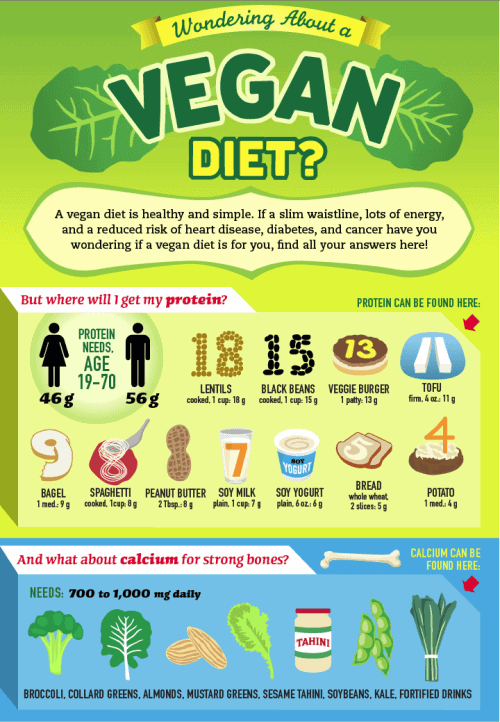
Calcium is essential for maintaining healthy bone density. On a vegan diet, good sources include dark leafy vegetables, nuts, seeds, and beans.
Omega-3 Fatty Acids
Important for heart health and beyond, omega-3s are typically sourced from fatty fish by meat-eaters. Vegans can cover this need through a daily serving of walnuts, flaxseed, or flaxseed oil.
Vitamin B12
Found naturally only in animal products, B12 is the single most notable nutrient gap on a vegan diet. Left untreated, a B12 deficiency can be genuinely harmful, which is why most vegans are advised to take a daily B12 supplement or rely on fortified foods, like fortified breakfast cereal.
The Bottom Line on the Vegan Diet
It’s worth checking with your doctor about whether a vegan diet is a good fit for your individual health needs, and following a structured, well-researched approach — rather than winging it — genuinely improves your odds of success and helps you avoid the common nutrient pitfalls.
Done well, a vegan diet can offer real benefits for weight management, heart health, and overall nutrition. The key word throughout is “well-planned” — approach it thoughtfully, pay attention to the nutrients that need extra effort to obtain, and it can be a genuinely sustainable, healthy way of eating for the long term.
Explore more Health Articles reviews and guides on our site.