Low Carb Diet: Benefits, Mistakes, Foods & What to Eat
A low carb diet crosses the radar of millions of people looking for ways to lose weight and build a healthier lifestyle. Like most specific eating plans, a healthy low carb diet comes with both benefits and drawbacks, and weighing the two can help you decide if it’s the right fit. Common examples include meals […]

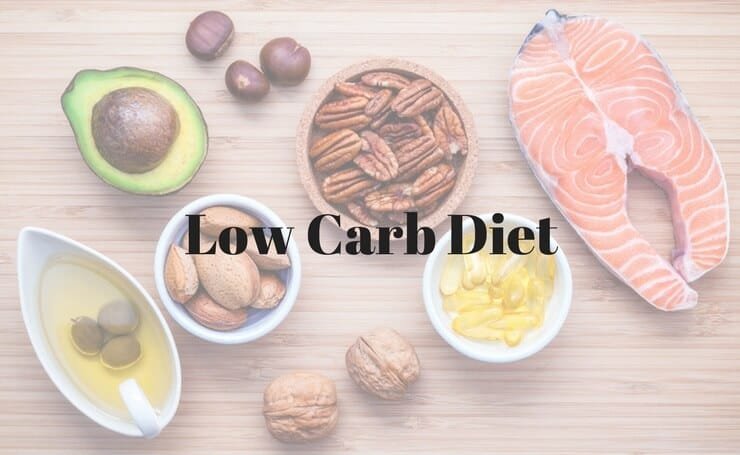
A low carb diet crosses the radar of millions of people looking for ways to lose weight and build a healthier lifestyle. Like most specific eating plans, a healthy low carb diet comes with both benefits and drawbacks, and weighing the two can help you decide if it’s the right fit. Common examples include meals built around nuts, fruit, fresh vegetables, and meat, with bread and other starches kept to a minimum.
What Is a Low Carb Diet?
According to the Mayo Clinic, a low carb diet centers on significantly cutting back foods high in starch and carbohydrates. Common low carb foods include kale, eggs, spinach, avocados, broccoli, cauliflower, zucchini, nuts, poultry, and red meat.
People following a low carb approach can still enjoy a fairly diverse range of foods, though the plan does come with some real limitations.
According to the Harvard School of Public Health, a genuinely healthy eating plan tends to resemble a low carb, low sugar approach fairly closely. Harvard’s Healthy Eating Plan recommends whole grains, foods rich in healthy fats, and minimal sugary drinks and foods — think soda, sweet tea, many processed foods, desserts, and alcohol.
Harvard’s guidance also emphasizes paying attention to the type of carbohydrate you eat rather than cutting carbs across the board. Plenty of low carb tips point toward the healthy carbohydrates found in nutrient-dense vegetables specifically.
“The fewer carbohydrates you ingest, the more often your body will have to rely on fat for its fuel source. You want to cut out completely refined grains or sugar (even juice), processed foods, dairy, and eat less than two pieces of fruit a day. Instead, focus on eating more colorful vegetables, healthy fats like those found in avocado, coconut oil and cold-pressed olive oil, nuts and seeds, and a variety of proteins found in fish, grass-fed beef, poultry and legumes,” says Eva Selhub, MD, an internationally recognized resilience expert, physician, author, and scientist.
What Are Low Carb Diet Ingredients?
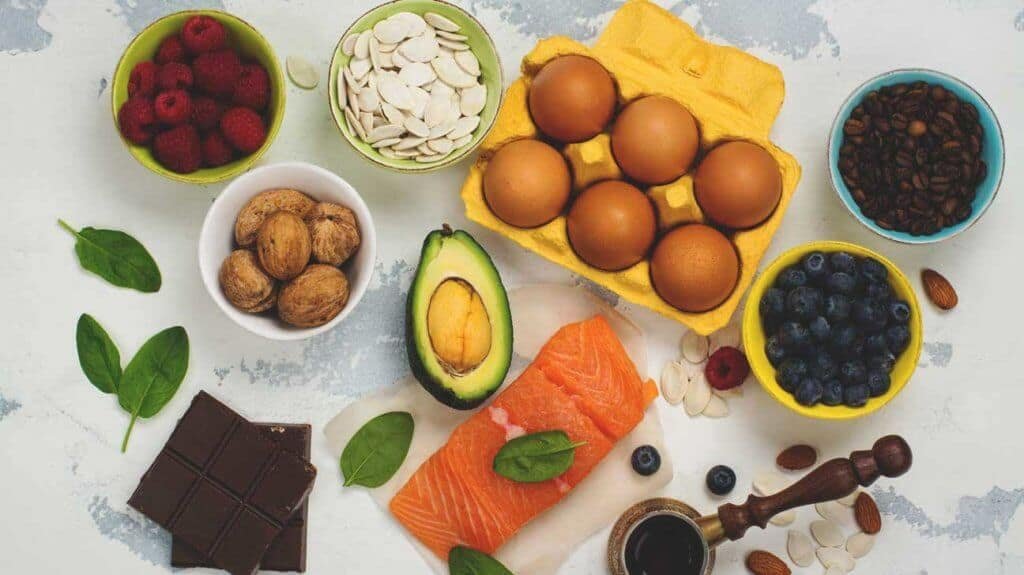
The best low carb recipes rely on well-balanced portions that give your body the nutrients, protein, amino acids, and antioxidants it needs. Common ingredients include mushrooms, nuts, catfish, salmon, steak, pork, butter, tomatoes, blackberries, and radishes.
Dairy lovers will be glad to know sour cream, yogurt, milk, butter, and cheese all fit comfortably within a typical low carb menu. Lean proteins like fish paired with generous vegetables can push a low carb plan closer to a Mediterranean-style eating pattern.
A balanced approach matters here — meals should stay evenly proportioned, with produce making up a large share of most plates. A simple low carb breakfast might include cheese, blackberries, a boiled egg, and a slice of bacon.
According to research in Diabetes, Obesity, & Metabolism, another solid low carb dinner example is a catfish fillet with baked green asparagus drizzled in olive oil, a hard-boiled egg, and a lettuce salad loaded with radishes, broccoli, and tomatoes.
On the research side, the U.S. National Library of Medicine and National Institutes of Health published a review titled “Health Effects of Low-Carb Diets: Where Should New Research Go?” in 2014, noting that significantly restricting carbohydrates does measurably affect metabolism.
Low Carb Diet Nutrition Facts
According to an article in Scientific American, the American Journal of Clinical Nutrition notes that while some saturated fats and carbohydrates can be part of a healthy diet, refined and sugary carbs carry real health risks, particularly with regular consumption.
What Does a Low Carb Diet Actually Do?
If you’re wondering whether a low carb diet is genuinely healthy, you’re in good company — hundreds of thousands of people ask the same question before committing to this kind of eating change. A good starting point is simply asking, “How does a low carb diet actually work?”
At its core, a low carb diet restricts the carbohydrates you take in through meals, snacks, desserts, and drinks. Many people don’t realize how many carbs hide in beverages — shakes, smoothies, some sodas, and fruit drinks can all carry a surprising amount.
The reasoning behind limiting carbs comes down to how the body processes them: many carbs digest into sugar that the body then stores. Cutting carb intake can support weight loss and often comes with a side benefit — eating fewer processed foods, which tend to be loaded with sugar and carbs well beyond what the USDA’s Dietary Guidelines recommend.

Does the Low Carb Diet Work?
There’s genuine debate among professionals about whether low carb eating works for everyone. Deciding if it’s right for you starts with getting clear on why you’re considering it in the first place — a high-protein, meat-based low carb approach and a low carb vegetarian approach are very different plans with different tradeoffs.
Not all carb-restricted plans are the same. There’s the Mediterranean-style approach built around lean meats, nuts, fruits, and vegetables; low carb vegetarian plans; and higher-fat versions like the keto diet. Any of these can work for a period of time, but the more important factor is finding an eating pattern that’s genuinely sustainable for you long-term.
According to Harvard’s School of Public Health, one benefit of eating fewer carbs is naturally eating more vegetables while cutting back on highly processed foods, refined carbs, white sugar, and white flour — items consistently flagged by health experts as best consumed in moderation, since they’re linked to obesity and other health issues when overdone.
Are There Low Carb Diet Side Effects to Worry About?
As with any diet plan, side effects can range from mild to more significant. Anyone with a chronic health condition should check with a doctor before starting. Common side effects of a typical low carb diet include bad breath, nausea, headaches, and sometimes only temporary weight-loss progress.
The Mayo Clinic details these effects and also notes that diets higher in protein tend to help people feel full longer, though weight-loss progress on a low carb plan may end up being more modest and less durable than expected long-term.
Because of this, keeping the diet balanced — with plenty of filling, nutrient-dense foods — matters just as much as cutting carbs. Pairing the diet with regular exercise and adequate water intake will also meaningfully support both health and weight-loss goals.

What Are the Low Carb Diet Benefits?
Low carb diets carry real short-term benefits, according to groups like the American Heart Association, including cutting calorie intake, better weight management, and eating more whole foods like fresh fruit and vegetables.
A well-known early-2000s AHA publication, “Dietary Protein and Weight Reduction,” found that high-protein, low-carb diets generally aren’t harmful, though they often don’t deliver quite the dramatic advantages some companies advertise. The core mechanism is straightforward: reducing carbohydrates helps reduce overall calorie intake, and calorie control is what ultimately drives weight loss.
Combined with exercise and balanced nutrition, this can genuinely help someone move away from obesity toward a healthier lifestyle — which matters, since high-calorie intake and obesity are linked to respiratory problems, low energy, and poor sleep health.
Other benefits people report include eating fewer heavily processed foods, getting more fiber (which supports healthy digestion), and meaningful short-term weight loss. A high-protein low carb plan in particular tends to support moderate weight loss, while people following low carb vegetarian or low carb, low sugar approaches — especially when paired with exercise and better hydration — often report more durable, long-term results.
Is There a Low Carb Diet Alternative?
Some people prefer alternatives to a strict high-protein, low carb plan, including the keto diet, a vegetarian diet, or the Paleo diet.
Paleo diets emphasize natural foods — leafy greens, raw and minimally processed foods, nuts, regional produce, seeds, and fish — making it one of the more “natural” options in this category, while still avoiding processed foods altogether.
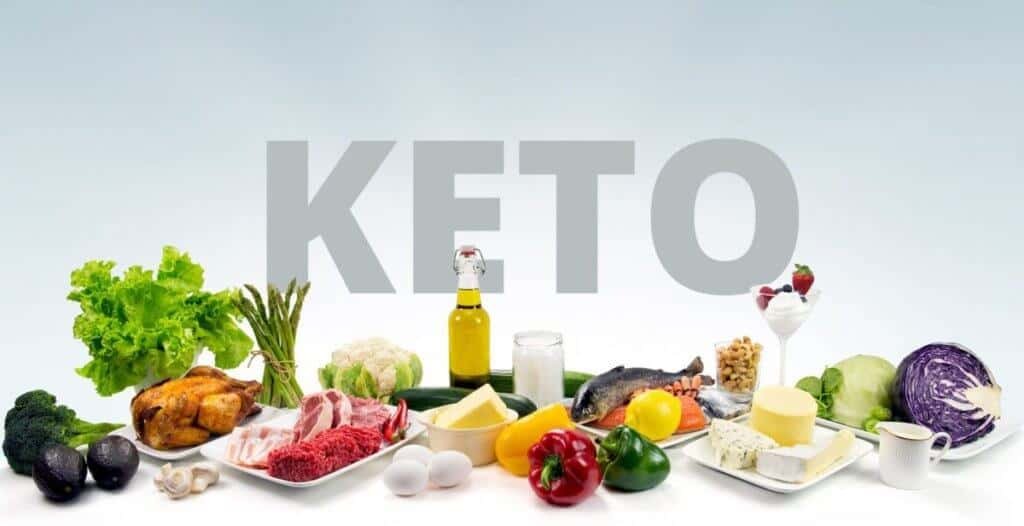
Keto diets take a different route, focusing on very low carb, high-fat eating. On a keto plan, foods like butter, bacon, sausage, and cheese are largely unrestricted, but carb intake — including from vegetables — is tightly limited.

What Does a Low Carb Diet Cost?
Cost is worth factoring in before starting any new eating plan, since a plan that isn’t financially sustainable won’t be beneficial long-term. In most cases, low carb eating doesn’t require a significantly bigger grocery budget than standard eating habits. The main drawback for some people is the extra time needed for meal planning.
Low Carb, Low Sugar Diet
If your current habits lean toward grabbing chips or hitting a fast-food drive-through when hunger strikes, a low carb, low sugar diet will require some real changes — an overhaul of your typical grocery list, for one. The upside is that it can genuinely improve your health, and skipping drive-through meals and checkout-lane snacks can save money too.
Low carb snacks can run on the pricier side compared to some processed alternatives. Good options include almonds, macadamia nuts, berries, sunflower seeds, celery, chilled broccoli and carrots, and beef jerky — all of which fit a low carb, lower-calorie approach.
What Can You Eat on a Low Carb Diet?
Low Carb Diet Basics
Success on a low carb diet largely comes down to preparation. A high-protein, low carb plan is common among athletes and anyone who needs steady energy while managing weight, but plenty of people fall off track simply from being unprepared with the right food on hand.
Fruit can be a great tool for managing hunger cravings without straying from your goals — berries in particular are a smart pick, packed with antioxidants and easy to portion into grab-and-go bags. Whole grains, eggs, and even treats like dark chocolate or flavored tea can fit into a well-balanced low carb plan too.
On the flip side, foods to generally avoid include ready-made grocery meals like ravioli, frozen pizza, chips, and packaged pasta dishes, along with sweets like donuts, candy, white bread, white rice, and white potatoes.

Low Carb Diet Results
While debate continues around exactly how effective various low carb recipes and approaches are, there’s solid evidence that this kind of change can genuinely support weight loss. For anyone focused on managing calorie intake, cutting carbohydrates is a reasonable place to start. Some people struggle with overhauling their entire diet at once, and leaning on fruit as a bridge food can help smooth that transition.
How Does a Low Carb Diet Work in Practice?
As mentioned, sustainability matters most, and small, steady steps toward a bigger goal are perfectly fine. Reported results often include improved fitness, smaller clothing sizes, more energy, and a stronger immune system — though these outcomes really only show up with a balanced diet and consistent exercise built around the plan.
Higher-fat, low-carb approaches specifically have also been linked to clearer thinking and steadier fullness throughout the day, without relying on junk food or unhealthy snacking to get there.
Low Carb Diet and Weight Loss
If you’ve been wondering exactly what you can eat on a low carb diet, you’re far from alone — it’s one of the most common questions people ask before making the switch.
Low carb weight loss tends to be most effective when someone is genuinely consistent about limiting carbs. That means steering clear of French fries, bread, sweets, pasta, corn, white rice, and foods made with white flour.
For meal ideas, think salads topped with meat or fruit for lunch, and breakfasts built around berries, eggs, and a slice of low carb whole wheat toast or a handful of nuts. The best low carb diet, ultimately, is one that’s sustainable and keeps you feeling full throughout the day, while still including enough fresh vegetables and fruit to deliver the antioxidants and minerals your body needs for good digestion and overall health.
The Bottom Line on Low Carb Diets
A high-protein, low carb approach tends to be a popular, reliable option for people who’ve maintained good results over the years with this style of eating. Ultimately, sticking with a low carb, low-fat approach comes down to choosing foods you genuinely enjoy and getting creative with how you prepare them.
If your typical diet has leaned heavily on processed and starchy foods, expect an adjustment period. Taking it one step at a time makes the transition far more manageable, and it’s worth comparing this approach against other diet styles to make sure it’s the right long-term fit for your goals and lifestyle.
Explore more Diet Program reviews and guides on our site.