Hot Belt Review
The Hot Belt Shaper is a wearable device marketed to help shape the waist. The company behind it claims the belt supports weight loss, improves posture, and enhances workouts — but can something you simply strap around your body really move the needle on weight? We dug into the research to find out. Table of […]

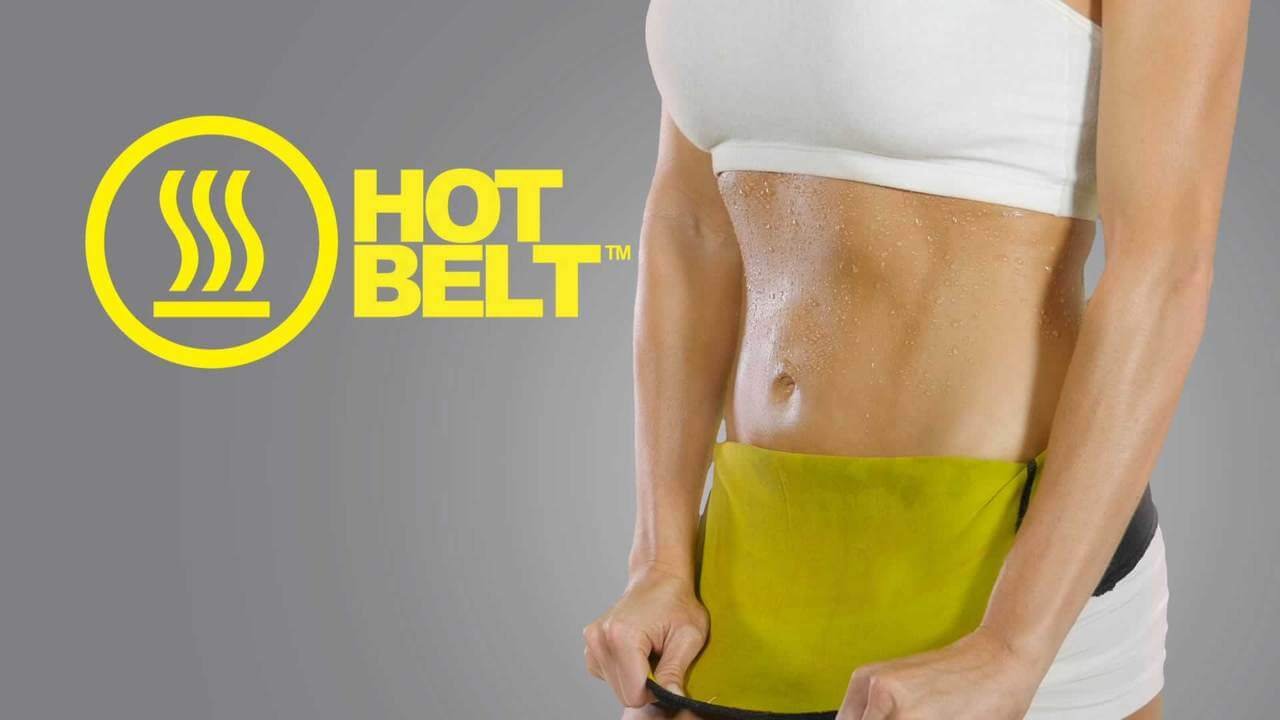
The Hot Belt Shaper is a wearable device marketed to help shape the waist. The company behind it claims the belt supports weight loss, improves posture, and enhances workouts — but can something you simply strap around your body really move the needle on weight? We dug into the research to find out.
What Is the Hot Belt Shaper?
As Seen on TV, the Hot Belt is a neoprene waist-shaping belt designed to compress the abdomen, support the lumbar spine, and — according to the manufacturer — raise body heat on contact with skin to speed water weight loss and reduce bloating. It’s built from moisture-wicking material meant to boost sweat production while keeping the wearer relatively dry, and it’s marketed as versatile enough for the gym, work, school, or home.
Hot Shapers, the company behind the belt, isn’t BBB-accredited and holds a “B” rating, with 25 complaints filed over the past three years and zero customer reviews on file.
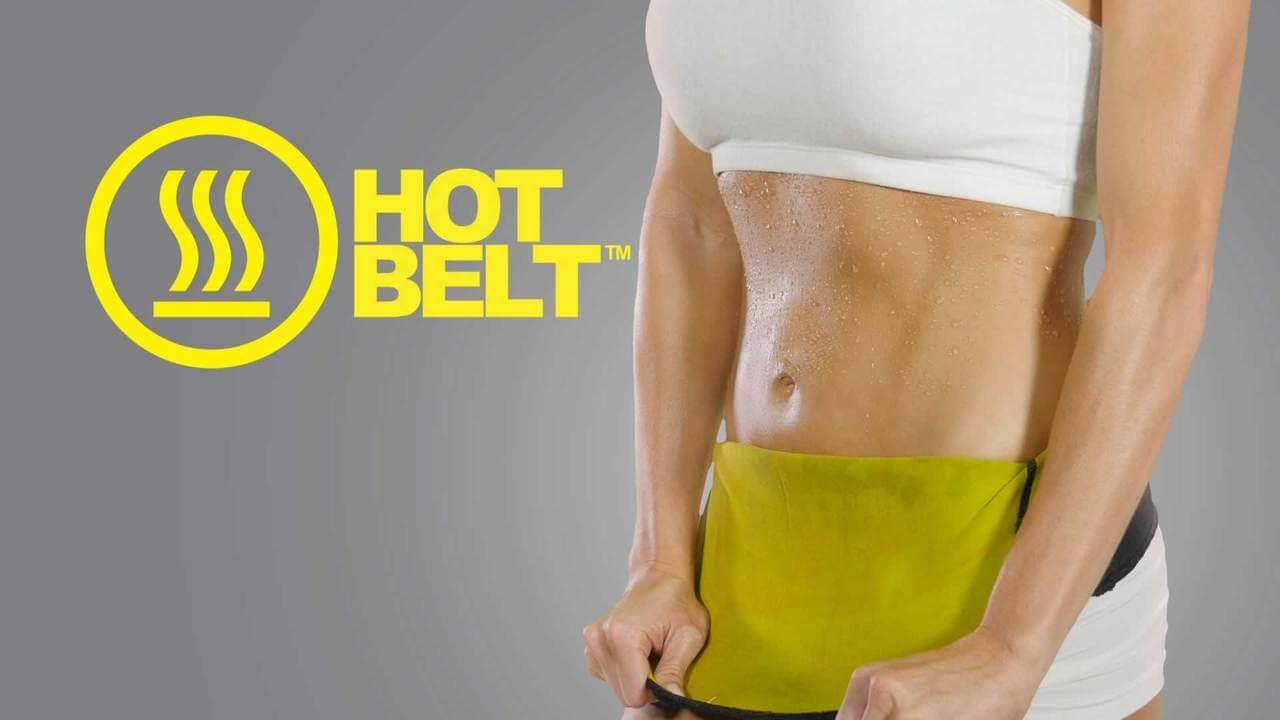
Hot Belt Neotex: Just Branded Neoprene?
Neotex is essentially a branded version of standard neoprene, a synthetic rubber also used in laptop sleeves, compression clothing, and insulation. It dates back to 1960s marketing by the Columbian Carbon Company, and there’s no clinical research showing Hot Belt’s Neotex performs any differently than generic neoprene — the belt simply provides compression while wicking moisture away from the skin.
Does the Hot Belt Shaper Actually Work?
Like other wearable waist-shaping products, there’s some truth to the manufacturer’s claims — the Hot Belt compresses the core and raises body temperature, much like a traditional waist trainer. That combination increases sweating, which can translate into a temporary drop on the scale.
But that weight loss is almost entirely water weight, not fat loss. Raising body temperature can burn a small number of extra calories, but it’s nowhere near as effective as diet or exercise for actual fat reduction. Where the belt does align with legitimate compression gear benefits, research points to improved blood flow, reduced muscle soreness, and better joint awareness during activity.
What Is Compression Clothing, and Is It Safe?
Compression clothing — made from materials like Lycra and Spandex — has become popular across fitness and everyday wear, drawing on the same principle as traditional corsetry. Athletes and performers use it to aid recovery and shape the body’s appearance.
Controlled research hasn’t found meaningful evidence that compression clothing increases blood flow or oxygen delivery to muscles the way marketing often claims, though researchers note that if it makes the wearer feel better, that’s reason enough to keep using it. Short-term use appears safe for most people and may support good posture, provided you choose the correct size and compression level.
Can the Hot Belt Really Improve Posture?
It’s unlikely that compression gear alone meaningfully improves posture, though wearing something marketed for posture can create a placebo-like effect that nudges people to sit and stand straighter. A study in the Journal of Chiropractic Medicine found that a posture-cueing compressive shirt was perceived by experienced cyclists to benefit riding posture, post-ride posture, spine discomfort, and recovery. Unlike specialized posture shirts with targeted banding, the Hot Belt compresses one area uniformly, so any posture benefit is likely more modest.
Potential Hot Belt Side Effects
Reported side effects include skin irritation and redness from prolonged sweating, dehydration from excess fluid loss combined with discomfort drinking water while wearing the belt, and digestive issues like heartburn from extended wear. In rare cases, doctors have noted that very tight training belts used long-term can shift internal organs, though this is uncommon.
Cost, Sizing, and Return Policy
Pricing runs from roughly $19 to $75 depending on retailer (Amazon, Walmart, eBay, and the official site all carry it), with sizes ranging from small to 3XL (up to 4XL for the women’s version). The official return policy allows 30 days, but only for unused belts in original packaging — meaning if it doesn’t work for you, you likely won’t be able to return it once worn, and you’re responsible for return shipping either way.
The Bottom Line on the Hot Belt
The Hot Belt can genuinely increase sweating and cause temporary water weight loss, and its compression may offer modest performance and posture benefits. But the research doesn’t support it as a real fat-loss tool, and its restrictive return policy is a real drawback. If your goal is meaningful, lasting weight loss, a belt like this is best treated as a minor accessory rather than a solution — sustainable results still come down to diet, exercise, and consistent healthy habits.
Explore more Exercise Equipment reviews and guides on our site.