Diet and Weight Loss Safety Tips
Muscle burns more calories than fat, which is one concrete reason strength work belongs in a safe weight-loss plan alongside cardio — not instead of it. This guide covers what genuinely helps you lose weight safely, and the specific mistakes that put people at real risk. Table of content How We Researched This Guide Weight […]


Muscle burns more calories than fat, which is one concrete reason strength work belongs in a safe weight-loss plan alongside cardio — not instead of it. This guide covers what genuinely helps you lose weight safely, and the specific mistakes that put people at real risk.
How We Researched This Guide
This guide checked established medical guidance on safe weight-loss pacing, the specific risks of fad diets and unsupervised diet pill use, and the behavioral patterns that separate short-term loss from long-term maintenance.
Weight Loss Safety Tips: Start With What You Can Actually Sustain
The best weight-management strategies are the ones you can maintain — not the fastest ones. Cutting sugary drinks like soda and juice alone can save hundreds of calories a day, and switching from whole milk to lower-fat or nonfat milk is a genuinely easy adjustment. Learning to stop eating when full, rather than continuing because food tastes good or out of boredom, is a real, learnable skill that supports maintenance.
Start Small, Not Drastic
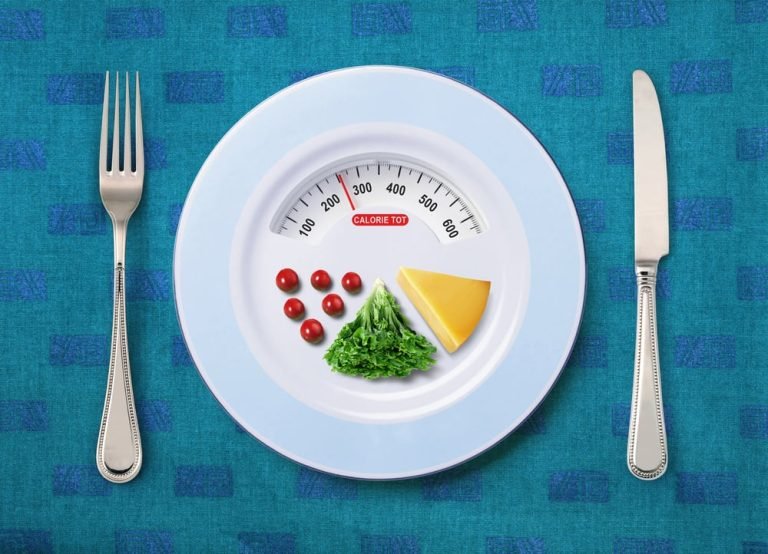
Gradual changes are genuinely easier to sustain than large, sudden ones. Reducing portion sizes and cutting sugary drinks first, then introducing healthier foods and exercise afterward, gives a real on-ramp rather than an overwhelming overhaul. Eating smaller meals more often, with healthy snacks between them, helps prevent the kind of overeating that happens at a single large meal.
What Genuinely Puts Safety at Risk
Fad diets are a real concern because they typically don’t provide the variety of nutrients the body needs. Diet pills carry real risk and should never be taken without first consulting a healthcare professional — this applies to prescription weight-loss medications too, which can carry genuine side effects worth discussing with a physician beforehand.
Don’t Eliminate Foods Entirely
Completely banishing foods like chocolate or chips from your diet tends to backfire, often increasing cravings for exactly what’s restricted. Moderation, within an overall healthy diet, is the more sustainable approach than an all-or-nothing rule.
Exercise Belongs in Any Safe Plan
Exercise doesn’t have to mean the gym — hiking, swimming, and walking all count. Because muscle burns more calories than fat, building some muscle through a balanced routine genuinely supports fat loss alongside cardio-focused activity.
Who This Guide Is Most Useful For
This fits anyone starting a weight-loss effort who wants a sustainable, medically sound starting point rather than a fad-diet shortcut. Talking to a qualified doctor before starting, especially before considering any diet pill or medication, remains a genuinely important step this guide can’t replace.
Frequently Asked Questions
The Bottom Line
Safe, lasting weight loss comes from gradual, sustainable changes — cutting sugary drinks, right-sizing portions, moderate treats, and a mix of cardio and muscle-building exercise — rather than fad diets or unsupervised pills. This guide found that pacing and consistency, not speed, are what actually protect both safety and long-term success.
Explore more Healthy Diet reviews and guides on our site.
For general guidance on healthy weight management, see the resources available from the NIH.
Overall, weight loss safety tips remains worth understanding before you decide.