A Complete Guide to the Volumetrics Diet: What Is It and Does It Work?
If you’re working on weight loss, you’ve probably already run into a few real challenges — otherwise there wouldn’t be an entire industry built around helping people exercise, eat well, and actually stick with it. Table of content The Basics of the Volumetrics Diet How Does the Volumetrics Diet Work? Does the Volumetrics Diet Support […]

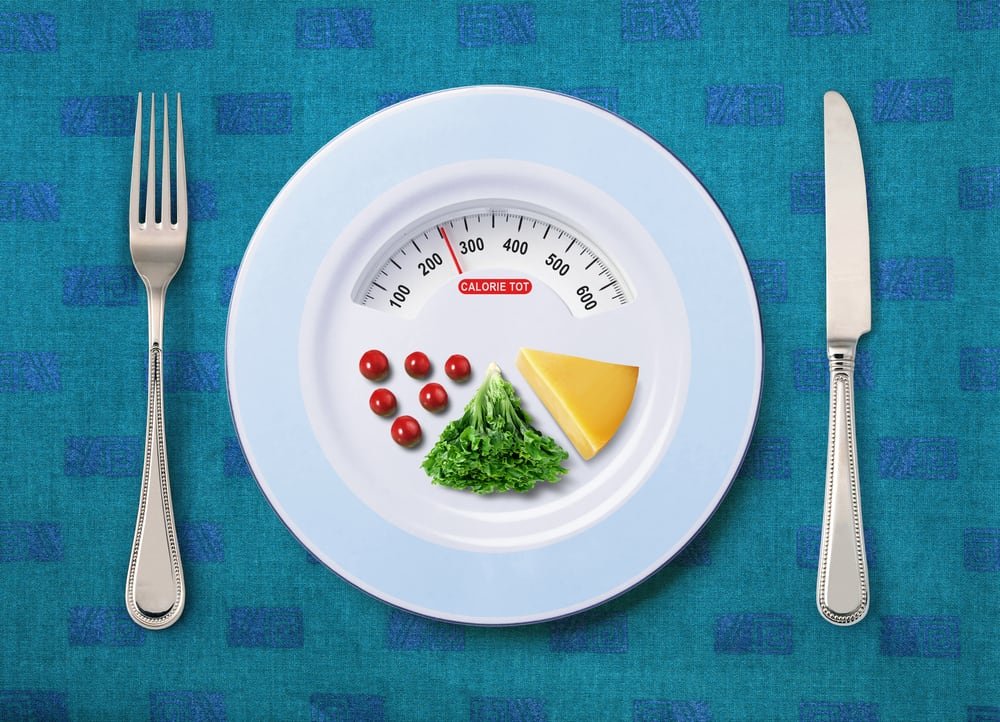
If you’re working on weight loss, you’ve probably already run into a few real challenges — otherwise there wouldn’t be an entire industry built around helping people exercise, eat well, and actually stick with it.
One diet you might not have tried yet is the volumetrics diet, built specifically around combating hunger — arguably the toughest part of any calorie-restricted plan. The approach centers on nutrient-dense foods that take longer to digest, meaning your body burns more energy processing them while keeping you fuller for longer, naturally curbing the urge to snack.
The Basics of the Volumetrics Diet
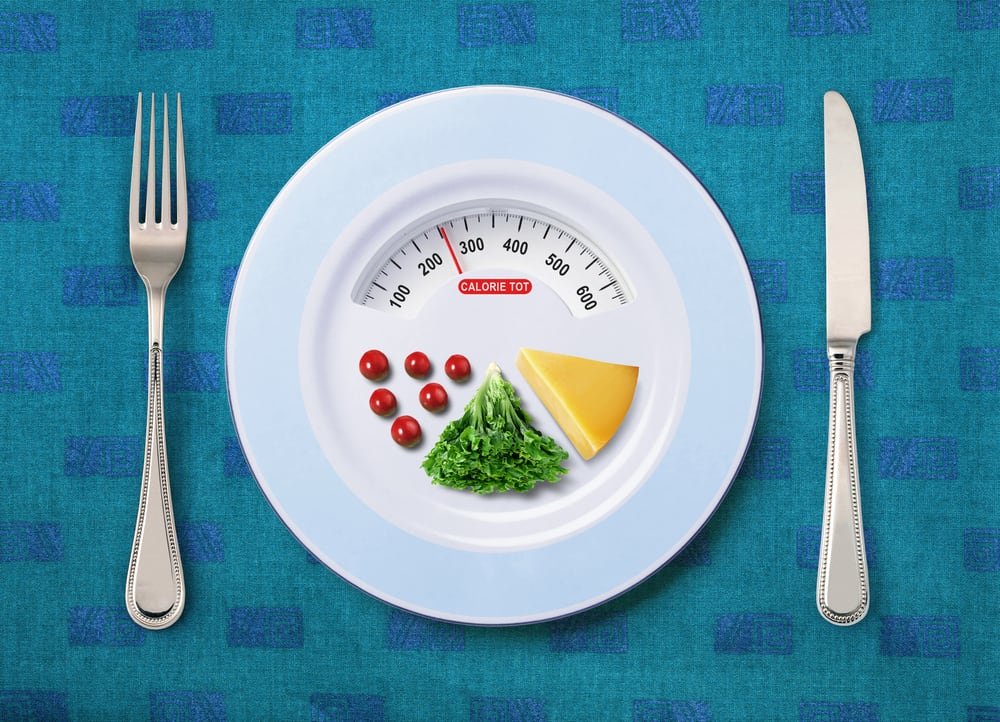
The diet centers on foods with high water content and correspondingly low calorie density — genuinely effective for combating the hunger pains that derail so many other diets. Beyond food choices, it also encourages broader lifestyle change: regular exercise, food journaling, and building real nutrition literacy.
Created by nutrition scientist Dr. Barbara Rolls, the diet is built around calculating and targeting calorie density — favoring soups, vegetables, and fruit while limiting dense, calorie-heavy foods like cookies, oils, and candy. The goal is long-term lifestyle change, not a short-term fix.
How Does the Volumetrics Diet Work?
Foods are sorted into four calorie-density categories:
- Category 1 (very low density): under 0.6
- Category 2 (relatively low density): 0.6-1.5
- Category 3 (medium density): 1.6-3.9
- Category 4 (very high density): 4.0 or greater
Calorie density is calculated by dividing a food’s calories per serving by its weight in grams. High-water foods naturally score lower — broccoli, for instance, scores low, while chocolate scores high, since water adds weight without adding calories.
The goal is building most meals from Category 1 and 2 foods, with occasional small servings from Category 3, and limiting Category 4 as much as possible. Strict adherents typically target around 1,400 daily calories, though this is a guideline, not a strict rule — activity level and individual needs (like competitive athletes) can shift that number considerably. No food is technically off-limits — it’s about frequency and portion size for higher-density options.
Regular exercise — 30-60 minutes daily, mixing cardio and weight-bearing activity — is also built into the plan, alongside tracking both food and activity in a journal to identify what’s working and what needs adjustment.
Does the Volumetrics Diet Support Weight Loss?
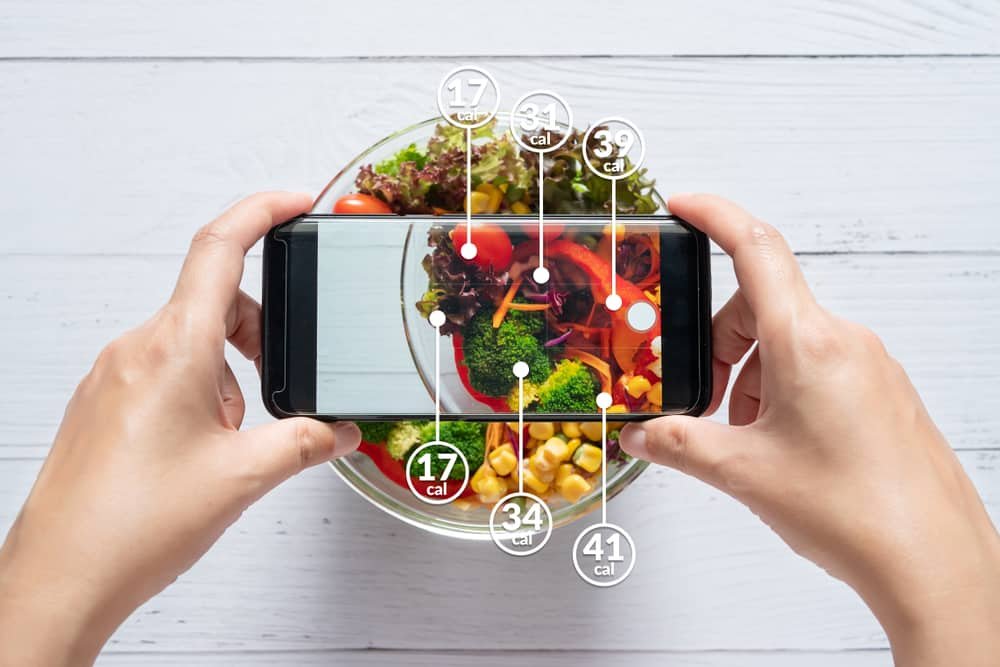
While the diet itself is relatively new, research on its core principles is genuinely encouraging.
Supports Lower Calorie Intake
Since weight loss requires burning more than you consume, prioritizing low-density foods naturally supports that goal — you can eat larger portions from Categories 1 and 2 without a major calorie increase, per the American Journal of Clinical Nutrition. A review of more than a dozen studies and 3,600+ people in Nutrients confirmed lower-density diets genuinely support greater weight loss, largely by reducing hunger-driven snacking. A 12-week study of nearly 100 women in The Journal of Nutrition similarly found low-density eating increased fullness while reducing cravings and hunger.
Encourages Regular Exercise
The diet’s built-in activity component genuinely supports weight loss — research in Obesity (Silver Spring) and JAMA Oncology confirms exercise supports both weight loss and improved body composition. Mixing cardio with weight-bearing exercise supports both cardiovascular health and bone density — start slow if you’re new to exercise, building up gradually.
Potential Benefits

Improves Overall Diet Quality
Many encouraged foods are naturally rich in vitamins, minerals, and fiber despite their low calorie count — research in the British Journal of Nutrition confirms low-density diets genuinely improve overall diet quality and reduce nutrient deficiency risk.
Naturally Limits Processed Foods
Most processed foods land in Category 4, largely stripped of key nutrients and high in sugar, sodium, and fat. Research in BMJ links processed food intake to long-term chronic disease risk, making this a genuine long-term health benefit.
More Sustainable Than Fad Diets
Since nothing is technically banned, the diet offers real flexibility that makes it easier to maintain long-term compared to more rigid “fad” approaches — you can genuinely tailor meals to your own preferences while staying within the density framework.
Potential Downsides
Time-Intensive
Calculating calorie density for every meal is a genuine learning curve, and busy schedules can make consistent tracking a real source of stress.
Limited Resources
As a newer diet, fewer books, apps, and community support tools exist compared to more established plans — those who thrive on external accountability tools may find this a real gap.
Restricts Some Healthy Fats
Nuts, oils, and seeds — genuine sources of monounsaturated and polyunsaturated fat linked to reduced inflammation per Nutrients — get discouraged here purely due to their calorie density, despite their real health value.
Heavy Emphasis on Calorie Counting
Low calorie density doesn’t automatically equal “healthy,” and constant tracking can feel exhausting for people who prefer a less numbers-driven approach to eating.
Foods to Eat on the Volumetrics Diet
Category 1 (bulk of your diet)
Fresh fruit (oranges, apples, bananas, peaches, grapefruit, berries, pears), unsweetened tea, black coffee, water, non-fat yogurt, skim milk, soups (vegetable, chicken, lentil, minestrone), and vegetables like carrots, broccoli, tomatoes, zucchini, cauliflower, and kale.
Category 2 (moderate intake)
Lean poultry, white fish, lean beef or pork, legumes (black beans, kidney beans, chickpeas, lentils), starchier vegetables (squash, corn, peas, potatoes), and whole grains (farro, quinoa, barley, brown rice, couscous).
Foods to Limit on the Volumetrics Diet
Category 3 (moderate portions, a few times weekly)
Fatty fish, fattier cuts of pork and beef, skin-on poultry, refined carbs (crackers, white bread, white pasta, white rice), and full-fat dairy (regular yogurt, whole milk, certain cheeses, ice cream).
Category 4 (occasional treats)
Most nuts (pistachios, macadamia, almonds, pecans, walnuts), most oils (margarine, butter, olive oil, vegetable oil), seeds (flax, chia, hemp, sesame), most processed snacks (pretzels, cookies, chips, candy), and fast food.
Sample Volumetrics Menu

Day 1: Vegetable omelet with whole wheat toast → hard-boiled egg with bell peppers and mozzarella → grilled turkey with spinach and quinoa → skim milk berry smoothie → chicken-stuffed peppers with marinara.
Day 2: Greek yogurt with honey, granola, and blackberries → sliced apples with light cheese → turkey or chicken chili with light cheese and vegetables → orange slices or grapefruit with non-fat yogurt → baked salmon with rice pilaf or vegetable couscous.
Day 3: Oatmeal with fresh fruit and skim milk → fruit salad (apple, cantaloupe, pineapple, kiwi, grapes) → minestrone soup with spinach and strawberry salad → hummus with cucumber and carrots → whole grain spaghetti with turkey meatballs and sautéed vegetables.
Swap ingredients freely across days to keep meals varied and avoid diet fatigue.
Bottom Line on the Volumetrics Diet
The volumetrics diet centers on high-volume, low-calorie-density foods with high water content — helping you eat satisfying portions without excess calories, stay fuller longer, and naturally reduce cravings. It also boosts intake of nutrient-dense fruits and vegetables while encouraging regular physical activity. That said, it demands real time and mental effort to track calorie density consistently, and resources remain relatively limited given how new the approach is. Weigh these tradeoffs against your specific goals and lifestyle before deciding if it’s the right long-term fit.
Explore more Health Articles reviews and guides on our site.