Redotex Review: 7 Dangerous Facts About the FDA Ban
Table of content How We Researched This Redotex Review Redotex Review: What Is It? Does Redotex Work? Reported Side Effects The Legal History Who Should Stay Away From Redotex Where People Try to Buy Redotex Redotex Alternatives Worth Considering Redotex Review: Frequently Asked Questions Redotex Review: The Bottom Line How We Researched This Redotex Review […]

Most diet pills we look into are, at worst, ineffective. Redotex is different — it’s a Mexican prescription drug the FDA has actively banned from U.S. distribution, and understanding why matters more than any weight-loss number attached to it. This Redotex review walks through the ingredient stack, the case reports, and the two decades of regulatory history behind that ban.
window.lightweightNewsPushAd(document.currentScript.previousElementSibling);
How We Researched This Redotex Review
This Redotex review draws on the FDA’s import-alert records, published case reports from emergency and pediatric medicine journals, poison-control-center data, and contemporary news coverage of the drug’s decades-long presence at the U.S.-Mexico border. Because Redotex isn’t sold or regulated in the U.S., there’s no manufacturer marketing to fact-check against — the record here comes almost entirely from regulators, physicians, and toxicology researchers.
Redotex Review: What Is It?
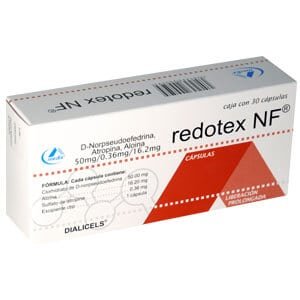
Redotex is a prescription stimulant that originated in Mexico in the 1980s, manufactured by Productos Medix, and marketed as a weight-loss aid that raises metabolic rate. It has never been FDA-approved, and the FDA has gone further than simple non-approval — it has issued an active import alert blocking the drug at the border, citing serious health risks.
The formula itself is the core issue: it’s not one active ingredient but a stack of several, each with its own risk profile:
- Norpseudoephedrine (D-Norpseudoephedrine HCl, 50 mg) — an amphetamine-class stimulant and appetite suppressant
- Aloin (16.2 mg) — a stimulant laxative derived from aloe
- Tri-iodothyronine — a thyroid hormone (T3)
- Diazepam — the active ingredient in Valium, a benzodiazepine
- Atropine sulfate (0.36 mg)
Stacking a stimulant, a laxative, a thyroid hormone, and a benzodiazepine into one capsule is not a combination you’ll find in any FDA-approved weight-loss product, and that’s precisely the concern regulators have raised.
What Each Ingredient Actually Does
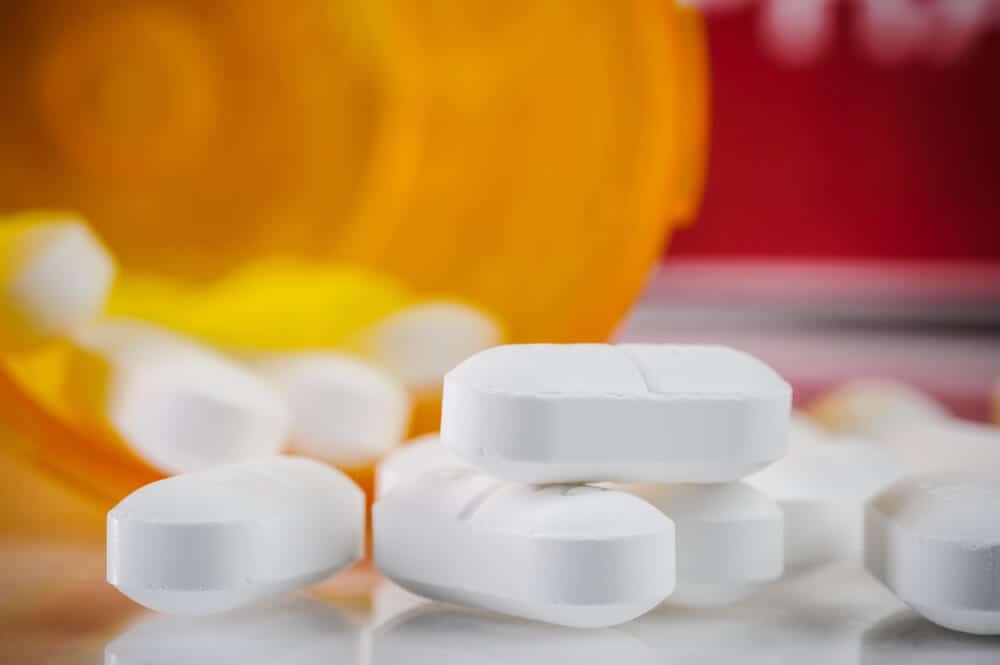
Norpseudoephedrine (cathine): classified as a Schedule III substance under the international Convention on Psychotropic Substances, and Schedule IV in the U.S. It’s an amphetamine-family stimulant. Obesity Facts notes cathine “appears to be an effective weight-lowering agent, but additional clinical studies on its efficacy and safety are required” — a fairly significant caveat for something already restricted as a controlled substance.
Aloin: a bitter aloe-derived compound; Frontiers in Microbiology found it has some antibacterial benefit for intestinal health, but that’s unrelated to weight loss and doesn’t offset its laxative effect.
Diazepam (Valium): comes with its own extensive side-effect list, per StatPearls — memory issues, fatigue, dizziness, restlessness, muscle weakness, nausea, and reduced libido. Its presence in a weight-loss pill at all is unusual and not something regulators have signed off on.
Does Redotex Work?
There’s some evidence the ingredient combination can produce weight loss — that’s not really in dispute. What is in dispute is whether that benefit is worth the risk. Reviews consistently point to negative side effects as the reason people stop, and there’s no evidence this is a sustainable long-term solution; the more common pattern is short-term loss followed by regained weight once side effects force discontinuation.
Reported Side Effects
- Dependency
- Nervousness and restlessness
- Dry mouth
- Vomiting
- Constipation and diarrhea
- Fluid retention
The FDA’s own (now-archived) hazard evaluation stated plainly that Redotex “poses a health hazard, especially when taken without adequate medical supervision.” Case reports go further: a 2018 paper in the Journal of Case Reports and Images in Pediatrics documented that Redotex “can cause immediate, profound and possibly life-threatening symptoms with even two doses.” A review in Human and Experimental Toxicology tracking calls to Texas poison centers from 2000–2008 found most Redotex-related calls originated from counties along the Mexican border — evidence this isn’t a theoretical risk but one with a documented real-world pattern.
The Legal History
U.S. and Mexican authorities jointly issued warnings about Redotex as early as 2005, and reports of Americans crossing the border to obtain it from Mexican weight-loss clinics go back to at least 1987, according to contemporary New York Times reporting. The FDA’s Dallas district has specifically flagged clinics in Nuevo Laredo for distributing the drug, and it remains on import-alert status — meaning customs agents are instructed to block shipments at the border.
Who Should Stay Away From Redotex
Realistically: everyone. This isn’t a “certain people should be cautious” situation the way most supplement reviews go — Redotex combines a controlled stimulant with a benzodiazepine and a thyroid hormone with no medical supervision, no dosing guidance, and no quality control on what’s actually in an imported capsule. Anyone with a heart condition, anxiety or benzodiazepine sensitivity, thyroid issues, or a history of substance dependency faces compounded risk on top of an already serious baseline risk. There’s no responsible-use version of this product available outside a monitored medical setting, which is precisely why the FDA has treated it as an import-alert priority for decades.
Where People Try to Buy Redotex
It isn’t legally available in the U.S. through any retailer, online or in-store. Some overseas sellers offer it regardless, but that route carries obvious risk: no quality control, no guarantee of what’s actually in the capsule, and no legal recourse if something goes wrong.
Redotex Alternatives Worth Considering
If the appeal of Redotex is its appetite-suppressing and metabolism effects, there are far less risky ways to approach the same goal. High-fiber additions like flaxseed or chia seeds promote fullness through a completely mechanical, non-stimulant process, and cinnamon tea is associated with mild thermogenic effects in some research — without anything resembling Redotex’s risk profile. For a milder stimulant-based option with a real research base, our Relacore review and Slimquick review both cover legal, over-the-counter alternatives worth reading before considering an unregulated import.
Frequently Asked Questions
The Bottom Line
Redotex is not a borderline case. It combines a controlled-substance stimulant, a benzodiazepine, a thyroid hormone, and a laxative in a single unregulated capsule, lacks FDA approval, is under an active import ban, and has documented case reports of life-threatening reactions after as little as two doses. Whatever weight-loss effect it produces doesn’t come close to justifying that risk profile, and safer, legal alternatives exist for essentially every mechanism Redotex claims to use — which is the clear conclusion of this Redotex review.