10 Reasons Why You’re Gaining Belly Fat
It’s no surprise that excess belly fat is unhealthy. Medically, this extra fat is known as “visceral fat,” referring to the fatty tissue surrounding the liver and other abdominal organs. Table of content Trans Fats and Belly Fat Low-Protein Diets Sugary Foods and Beverages Belly Fat and Alcohol Is Inactivity Causing Your Belly Fat? Bacteria […]


It’s no surprise that excess belly fat is unhealthy. Medically, this extra fat is known as “visceral fat,” referring to the fatty tissue surrounding the liver and other abdominal organs.
Even people at an otherwise average weight face increased health risks if they carry extra fat in the belly — a pattern known as normal-weight central obesity, according to research in the Annals of Internal Medicine.
Here are 10 things that contribute to visceral belly fat.
Trans Fats and Belly Fat
Trans fat is widely considered the unhealthiest fat category out there, according to the Mayo Clinic. Per the American Heart Association, trans fats are created by adding hydrogen to unsaturated fats to make them more stable — a process food companies use to extend shelf life in products like muffins, frozen pizza, packaged snacks, crackers, cakes, microwave popcorn, and baking mixes.
A body of animal research and medical studies has pointed to trans fat as a real driver of excess belly fat, according to WebMD. One study in Obesity found male African green monkeys fed an 8% trans-fat diet gained significant weight and intra-abdominal fat — even while eating just enough calories to maintain their weight otherwise.
Low-Protein Diets
Eating enough dietary protein is one of the most effective ways to prevent unwanted weight gain. Research in the Journal of the American College of Nutrition shows high-protein meals increase feelings of fullness and satiety, and high-protein diets also boost thermogenesis while producing a sustained drop in ad libitum calorie intake, according to The American Journal of Clinical Nutrition.

Over time, consistently low-protein meals can contribute meaningfully to belly fat gain. Multiple substantial studies (including one in The American Journal of Clinical Nutrition) have found that people with the highest protein intake tend to carry the least excess belly fat. In vivo studies published in Mineral and Electrolyte Metabolism and Nature Medicine also found that neuropeptide Y — a 36-amino-acid polypeptide — drives both increased appetite and belly fat gain, with NPY levels rising when protein intake runs too low, according to the Journal of Nutrition.
Sugary Foods and Beverages
Many people consume more sugar than they realize. High-sugar foods include candy, cake, muffins, and frozen yogurt, alongside sweetened beverages like soda, flavored coffee drinks, and sweet tea.
Research in the Journal of Nutrition has documented a clear connection between high sugar intake and excess belly fat.

Much of this comes down to fructose content, according to the Journal of the American College of Cardiology — regular sugar is about 50% fructose, and high fructose corn syrup (HFCS) runs even higher at 55%. A 10-week controlled study in the Journal of Clinical Investigation had obese participants drink fructose-sweetened beverages equal to 25% of their energy needs, resulting in reduced insulin sensitivity and increased belly fat. A separate report in the European Journal of Clinical Nutrition found a similarly high-fructose diet lowered metabolic rate and reduced net fat oxidation.
High sugar intake in any form carries risk, but sugar-sweetened drinks may be a particularly significant contributor, according to the Ames Tribune, since beverages let you consume large amounts of sugar quickly. Research in the International Journal of Obesity notes liquid calories don’t deliver the same satiety as solid food calories, meaning drinking your calories tends not to reduce how much you eat afterward the way solid food does.
Belly Fat and Alcohol
Alcohol carries both harmful and, in some contexts, beneficial effects on health. Research in Critical Reviews in Clinical Laboratory Sciences shows alcohol suppresses fat burning, with excess alcohol calories partly stored as belly fat — the likely source of the “beer belly” phenomenon.
One study in Epidemiology and Health found men who drink more than three alcoholic beverages daily are roughly 80% more likely to carry excess belly fat than lighter drinkers. Total daily volume matters too — a study in the Journal of Nutrition found that people drinking less than one drink per day had the least belly fat, while those who drank less overall but binged occasionally were more likely to carry excess belly fat.
Is Inactivity Causing Your Belly Fat?
Physical inactivity has become far more common over the past three decades, contributing significantly to rising obesity and abdominal fat rates. One study in The American Journal of Medicine found men and women in the U.S. gained significant weight and abdominal girth between 1988 and 2010, largely tied to declining activity levels.
A separate study comparing women who watched more than three hours of TV daily to those watching under an hour found the lower-TV group had a lower risk of severe abdominal obesity. Research in Obesity also highlights the importance of continued exercise after weight loss — those who maintained resistance or aerobic exercise after a year of weight loss avoided regaining fat, while inactive participants saw belly fat increase by 25%-38%.
Bacteria and Belly Fat
Your gut and colon host a vast ecosystem of bacteria — some beneficial, some potentially harmful, according to WebMD. This gut flora, the microorganisms living in your digestive tract, plays a real role in weight regulation. An imbalance in gut bacteria can increase health risks and belly fat, according to Scientific American.
Humans tend to carry more Firmicutes bacteria, which may boost caloric absorption from food, according to research in Nature.
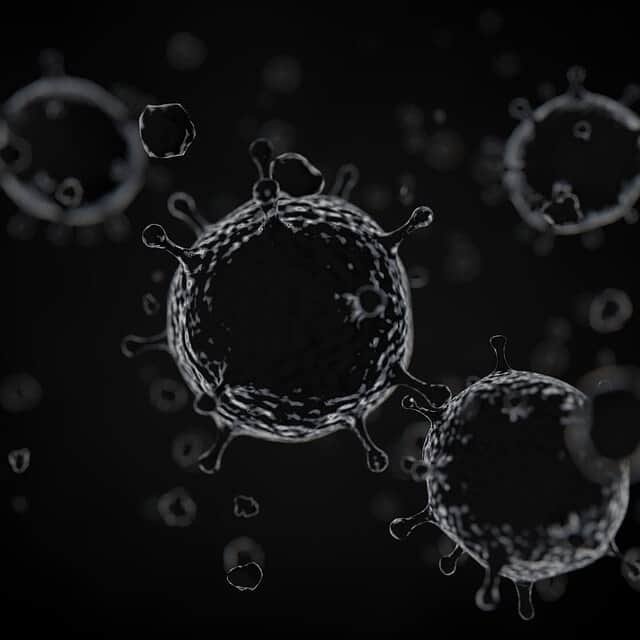
A mouse study in International Scholarly Research Notices: Obesity found conventionally raised mice carried 40% more total body fat than germ-free mice, and other research (also in Nature) using twins highlighted how shared gut flora between siblings correlates with shared patterns of weight gain and storage.
Belly Fat and a Low-Fiber Diet
Fiber plays a genuine role in health and weight management. According to Mercola.com and the Journal of the American College of Nutrition, fiber supports satiety, balances hunger hormones, and reduces calorie absorption from food.
One study in Obesity linked fiber intake to reduced belly fat, finding a 3.7% reduction in body fat for every additional 10 grams of soluble fiber consumed. The opposite pattern shows up with high-carb, low-fiber diets, which tend to correlate with more belly fat and weight gain.
Is Stress Making You Fat?
Cortisol, produced by the adrenal glands, helps the body respond to stress, according to MedicineNet — but when produced in excess, it can drive weight gain. Stress often leads to overeating, per a review in Endocrinology, and cortisol tends to direct those extra calories specifically toward belly fat storage rather than distributing them elsewhere.
What Role Does Genetics Play?
Genetics is a well-established factor in obesity risk, according to Current Genomics, with genetic makeup influencing both belly fat storage and how the body tends to store it, per Philosophical Transactions of the Royal Society B: Biological Sciences. A study in Human Molecular Genetics identified three genes tied to abdominal obesity and waist-to-hip ratio — two of which appear exclusively in women.
Not Enough Sleep
Insufficient sleep carries a real cost. Numerous studies (including one in The American Journal of Clinical Nutrition) link sleep to weight management, including body and belly fat specifically. A study in the American Journal of Epidemiology found people sleeping five hours or fewer nightly were more likely to gain weight than those sleeping at least seven hours, and the National Sleep Foundation notes evidence connecting poor sleep to obesity risk generally. One report in The Journal of Clinical Endocrinology and Metabolism found obese patients with poor sleep carried more belly fat than obese patients with regular sleep schedules.
“Ever wonder why you crave sugary cereal, ice cream, French fries or pizza after a bad night’s sleep? When we skimp on sleep, it trips up our body’s natural hunger and satiety hormones, causing us to crave high-calorie foods. At the same time, lack of sleep limits our ability to exert self-control over foods we normally try to avoid. Studies show that when we get enough sleep, we choose and prefer healthier foods to junk food. While everyone has their own optimal sleep time, most sleep experts recommend that we clock at least seven hours of quality sleep every night,” says Katherine Brooking, MS, RD.
Final Thoughts
There are many contributing causes of excess belly fat. Some, like genetics and hormones, sit largely outside your control, while most others — diet, activity level, sleep, alcohol, and stress management — are well within reach through everyday lifestyle changes.
Explore more Health Articles reviews and guides on our site.
For general guidance on healthy weight management, see the resources available from the CDC.