Vitamin E | Benefits of Vitamins, Uses and Warnings
Looking for an antioxidant that genuinely benefits your skin? Vitamin E is a fat-soluble nutrient found across a wide range of foods, working in the body to protect cells from damage caused by free radicals — compounds generated both internally as food converts to energy, and externally through cigarette smoke, pollution, and UV light exposure. […]

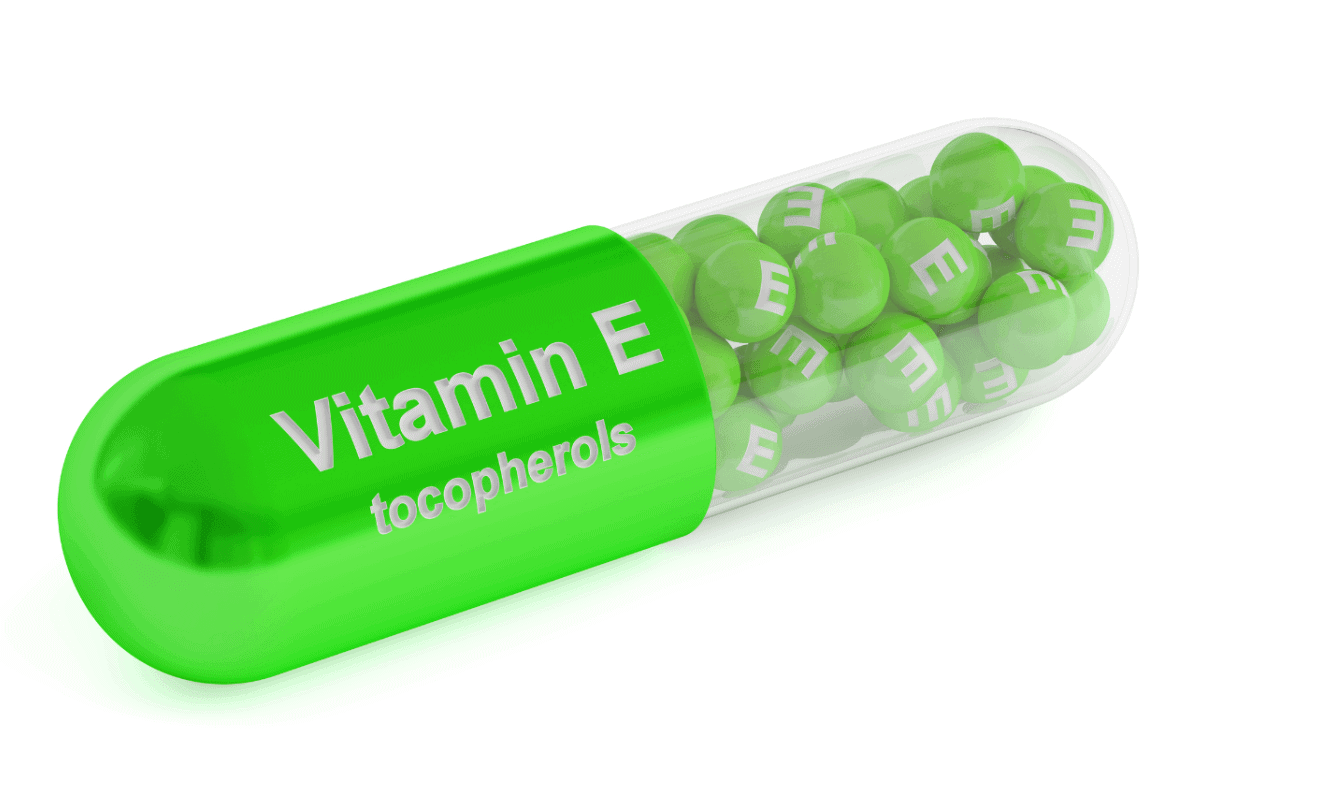
Looking for an antioxidant that genuinely benefits your skin? Vitamin E is a fat-soluble nutrient found across a wide range of foods, working in the body to protect cells from damage caused by free radicals — compounds generated both internally as food converts to energy, and externally through cigarette smoke, pollution, and UV light exposure. It also plays a real, meaningful role in immune function.
What Is Vitamin E Good For?
Beyond its use in skin creams and supplements, vitamin E genuinely supports cellular interaction throughout the body, playing a key role in immune defense, skin health, and eye health. Daily needs vary by age and body mass, and per the National Institutes of Health, vitamin E oils can genuinely boost collagen production.
Vitamin E Benefits and Real Uses
Fights free radicals: per NCBI, vitamin E’s antioxidant properties genuinely reduce free radical damage. Repairs skin: vitamin E creams and oils genuinely strengthen capillary walls, improving skin moisture and elasticity, with real research showing reduced wrinkle appearance, particularly useful for anyone with heavy sun exposure or a smoking habit. Thickens hair: its antioxidant properties genuinely help reduce environmental damage to hair. Improves endurance: per NCBI, vitamin E can genuinely raise energy levels and reduce post-workout muscle stress.
Vitamin E Food Sources
Vitamin E actually consists of eight compounds — four tocotrienols and four tocopherols. Per the USDA, real dietary sources include wheat germ, mango, butternut squash, sunflower seeds, almonds, kiwi, hazelnuts, spinach, avocado, broccoli, tomato, and olive oil.
Vitamin E for Skin and Acne
Applied at night, ideally combined with vitamin C, vitamin E genuinely helps target dry skin areas and can substitute for brightening creams. For acne, it helps replenish natural oils in dry, acne-prone skin and supports scar minimization — though it’s genuinely a poor choice for naturally oily skin, where it can worsen breakouts.
Natural vs. Synthetic Vitamin E
Natural vitamin E comes from plant sources, while synthetic versions (labeled DL alpha-tocopherol) are chemically produced from petroleum products and aren’t as readily absorbed by the body, despite being more concentrated. Per Juvenon, an optimal daily dose sits around 1,000 IU.
Vitamin E Oil Uses
Common real applications include night creams (applied after removing makeup for best absorption), anti-aging oil (with gamma-tocotrienol specifically shown to help reverse UVB damage over consistent use), moisturizers (often paired with coconut oil), dry skin treatment (requiring several weeks of consistent use), and stretch mark creams (typically showing reduced appearance after weeks of regular application).
Vitamin E Side Effects and Deficiency
Taking around 400 IU daily over an extended period can genuinely cause blurred vision, diarrhea, headache, dizziness, nausea, stomach cramps, or unusual fatigue in some people. True deficiency is rare in people eating a normal diet, though it can genuinely cause muscle weakness when it occurs — pregnant women, children, and elderly patients are the groups most likely to benefit from supplementation, per the NIH.
Vitamin E Dosage by Age
Recommended daily allowances run from 4mg (6 IU) for infants up to 6 months, gradually increasing through childhood, to 15mg (22.4 IU) for anyone 14 and older, for both males and females.
Choosing a Vitamin E Supplement
When selecting a vitamin E supplement, natural forms (labeled D-alpha-tocopherol) are generally better absorbed by the body than synthetic versions (DL-alpha-tocopherol), even though the synthetic form is more concentrated. Checking the label for the specific tocopherol or tocotrienol form, and confirming the dose aligns with your age-based RDA, genuinely helps ensure you’re getting real value from a supplement rather than an easily-excreted excess.
The Bottom Line on Vitamin E
it is a genuinely essential antioxidant supporting skin, hair, muscle strength, and cellular growth throughout the body. While most people associate it primarily with skin and hair care, its real benefits extend meaningfully further — making it a worthwhile nutrient to get consistently through diet, with supplementation reserved for those with a documented real need.
Explore more Vitamin Supplement reviews and guides on our site.