USANA Essentials Multivitamin Review: 3 Real Facts
USANA Essentials Multivitamin — now sold as CellSentials — packs in mega antioxidants and chelated minerals through a two-product bundle. This USANA Essentials Multivitamin review looks at what the ingredients actually do, and separately, what it means that USANA sells exclusively through independent distributors rather than retail shelves. Table of content How We Researched This […]

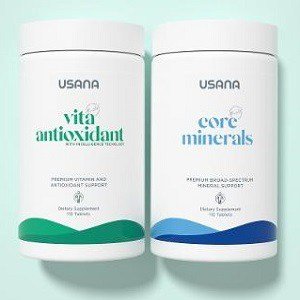
USANA Essentials Multivitamin — now sold as CellSentials — packs in mega antioxidants and chelated minerals through a two-product bundle. This USANA Essentials Multivitamin review looks at what the ingredients actually do, and separately, what it means that USANA sells exclusively through independent distributors rather than retail shelves.
How We Researched This USANA Essentials Multivitamin Review
This USANA Essentials Multivitamin review checked the clinical research behind the formula’s notable ingredients — inositol, alpha-lipoic acid, green tea, resveratrol — and separately reviewed USANA’s multi-level marketing structure and legal history, since both factor into whether this is a good buy beyond the ingredient list alone.
USANA Essentials Multivitamin Review: What Is It?
Founded in 1992 by Dr. Myron Wentz, USANA Health Sciences sells its Essentials Multivitamin (now CellSentials) as a two-part bundle — Core Minerals and Vita-Antioxidant — exclusively through independent “associate” distributors or direct company orders, not traditional retail.
What the Research on Multivitamins Generally Shows
- Advanced Pharmaceutical Bulletin: high-dose vitamin supplements (A, E, D, C, folic acid) aren’t always effective for disease prevention and can sometimes be harmful.
- Nutrition Journal: for addressing genuine nutrient gaps, the “potential benefits likely outweigh any risk in the general population.”
What’s Actually in the Formula
Beyond standard vitamins, the Vita-Antioxidant product includes inositol, olive extract, choline bitartrate, CoQ10, turmeric extract, lutein, lycopene, alpha-lipoic acid, green tea, and resveratrol. Of these, alpha-lipoic acid has the most direct weight-related evidence — the American Journal of Medicine found 1800mg/day “led to a modest weight loss” — though USANA’s dose is almost certainly far below that clinical amount. Green tea’s thermogenic properties are separately well-documented in the American Journal of Clinical Nutrition.
The MLM Structure, Explained
USANA operates as a multi-level marketing company — products are sold through a network of “associates” who earn commissions on both their own sales and their recruits’ sales. A 2011 Salt Lake City Tribune investigation found the average associate earned just $617/year, while top-tier distributors averaged $857,865 — a stark gap worth knowing before joining as a seller, separate from the product’s quality as a consumer.
Legal History
USANA has faced multiple lawsuits: a 2007 class action from independent distributors alleging fraud and deception, and a 2017 shareholder lawsuit alleging the company made false statements related to its BabyCare subsidiary’s business practices in China.

Who USANA Essentials Actually Makes Sense For
This fits someone who wants a comprehensive multivitamin-plus-antioxidant formula and is comfortable with the MLM purchasing structure (or has a trusted associate to buy through). It’s a poor fit for anyone expecting real weight-loss results — the doses of weight-relevant ingredients like alpha-lipoic acid are almost certainly below clinical thresholds — and for anyone who’d rather buy a comparable formula through standard retail.
Frequently Asked Questions
The Bottom Line
USANA’s formula includes several genuinely well-researched ingredients, and the company holds a solid BBB rating despite its legal history. The real considerations here are structural, not just nutritional: the MLM purchasing model, a price point above many retail multivitamins, and doses of weight-relevant ingredients that likely fall short of clinical amounts. This USANA Essentials Multivitamin review lands on reasonable-but-not-exceptional — fine as a multivitamin, not a weight-loss tool.
Explore more Vitamin Supplement reviews and guides on our site.