The Obesity Code Review: Diet Rules, Benefits & Does It Work?
Losing weight seems to come easier for some people than others, and a whole category of diet programs has emerged specifically to target stubborn fat. One example that claims to help nearly anyone lose weight is The Obesity Code. Advertisement Table of content What Is The Obesity Code? The Obesity Code Diet Rules The Obesity […]

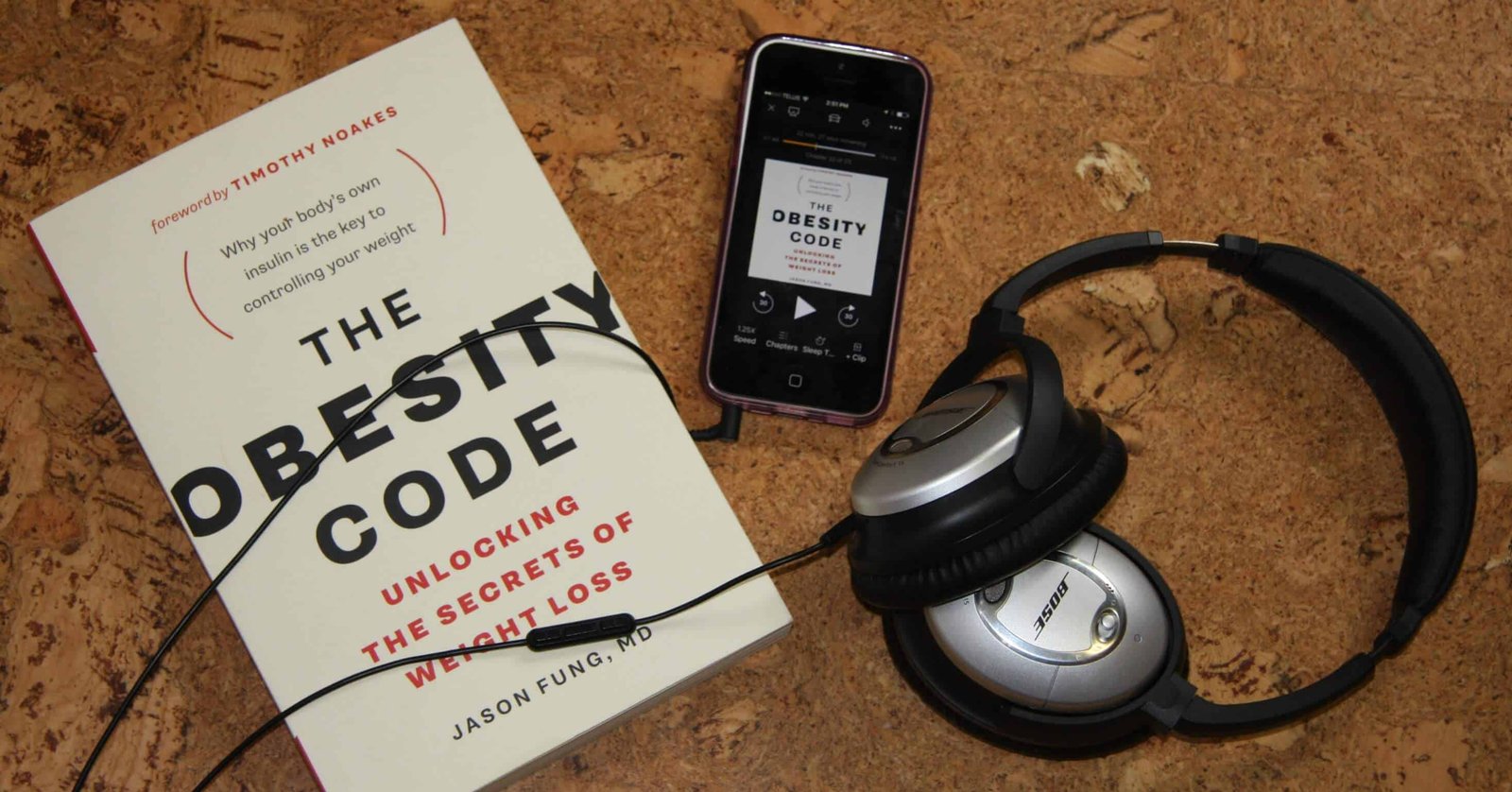
Losing weight seems to come easier for some people than others, and a whole category of diet programs has emerged specifically to target stubborn fat. One example that claims to help nearly anyone lose weight is The Obesity Code.
To find out more about this diet book, we looked into its core ideas, potential drawbacks, and the relevant research, along with user reviews and background on the author. Here’s the bottom line on The Obesity Code.
What Is The Obesity Code?
The Obesity Code, written by Dr. Jason Fung, MD, outlines a weight-loss strategy aimed at people who struggle with their weight even while following conventional diet and exercise advice.
Dr. Fung challenges the widespread idea that obesity comes down purely to calorie intake, fat grams, or physical activity level. Instead, he argues that hormones — insulin in particular — play the central role, with elevated insulin levels driving obesity. That premise leads him to recommend a dietary approach built around low-carb eating and intermittent fasting.
Within the book, Dr. Fung proposes that each person carries an individualized “fat-burning code” that can be deciphered to achieve more efficient weight loss, and that this code can be reset through his recommended fasting regimen. It’s worth noting these are the author’s own claims, and they aren’t universally accepted within the broader scientific community — the book offers a perspective that challenges conventional weight-loss wisdom by emphasizing hormonal factors over simple calorie counting.
So what does the research actually say about intermittent fasting?
- Annual Review of Nutrition: Research is still building a case for intermittent fasting’s efficacy, though “several lines of evidence also support the hypothesis that eating patterns that reduce or eliminate nighttime eating and prolong nightly fasting intervals may result in sustained improvements in human health.”
- Ageing Research Reviews: Various forms of fasting and time-restricted eating “in normal and overweight human subjects have demonstrated efficacy for weight loss and improvements in multiple health indicators.”
- Canadian Family Physician: This research found intermittent fasting could support obesity treatment when done under medical supervision.
Dr. Fung has also authored several related titles, including The Diabetes Code: Prevent and Reverse Type 2 Diabetes Naturally, Life in the Fasting Lane, The Cancer Code, The PCOS Plan, The Longevity Solution, and The Complete Guide to Fasting, each extending his fasting-centered philosophy into different health contexts.
The Obesity Code Diet Rules
Following The Obesity Code properly means, in the author’s own framing, eating more like our ancestors did — no small task. All snacking is eliminated, and food is only consumed during specific windows of the day. During fasting periods, only liquids like coffee, tea, water, and broth are allowed, consumed freely as long as they’re kept free of sugar or milk.
The Obesity Code and Exercise
The plan encourages exercising during fasting windows, reasoning that early humans regularly traveled long distances while hungry and tired to survive. In practice, though, exercising after several days without food can be genuinely difficult given the body’s limited energy reserves, and pushing too hard under those conditions raises the risk of injury.
The Obesity Code Food List
The book offers relatively little specific guidance on what to eat during eating windows, focusing instead on clear liquids and avoiding food during fasting periods. It does encourage regular “free days” where dieters eat without tracking nutrition or calories at all — a structure that could make it harder to build consistent healthy eating habits over time.
The Obesity Code’s Core Claims
The Obesity Code is one of many intermittent-fasting programs built around similar underlying health principles. Dr. Fung argues that eating multiple times a day exhausts the pancreas, which has to continuously release insulin to manage blood sugar spikes. He also claims the body carries a genetically influenced “secret code” that intermittent fasting can help reset, theoretically allowing the body to burn fat at a higher rate than usual.
The Obesity Code’s Claimed Benefits
Increased Testosterone
As body fat decreases, so does the fat-driven production of estrogen, which the book argues can correct hormone imbalances common in people with obesity. Lower estrogen overload is framed as potentially benefiting muscle mass, energy, libido, and self-confidence in both men and women.
Weight Loss
A significant daily calorie reduction naturally drives weight loss, though results vary considerably by individual. Some users claim to lose 20 pounds or more in a single month while fasting intermittently, though we couldn’t independently verify results that dramatic among Obesity Code users specifically.
Improved Energy Levels
According to the Cleveland Clinic, when the body stops expecting food on a constant schedule, it may adapt to use stored fat and incoming sugar more efficiently — potentially translating into steadier energy throughout the day.
Is The Obesity Code Diet Safe?
Used short-term as a way to reset metabolism and give the pancreas a break, this approach may be reasonably safe for many healthy adults, though most health experts caution against following it for more than a month at a stretch. Pregnant or nursing individuals should avoid intermittent fasting altogether, as should children, even those who are overweight. Anyone with blood sugar issues or other underlying health conditions should be especially cautious, since fasting can push blood sugar dangerously low in some cases.
Is The Obesity Code Expensive?
The book itself costs around $20, and since the program doesn’t require prepackaged meals, snacks, or drinks, the overall grocery bill tends to shrink too, since food intake is significantly reduced. Overall, it’s one of the more affordable diet approaches available.
The Bottom Line on The Obesity Code
So, is this book worth buying? We have a couple of genuine concerns. First, many of the book’s central claims aren’t strongly backed by independent research. Second, intermittent fasting itself can be a genuinely difficult approach to sustain long-term for a lot of people.
Losing weight doesn’t have to be quite this hard. If you’re looking for a more straightforward, evidence-based path, it’s worth prioritizing programs with clinically researched methods, gradual and sustainable changes, and realistic day-to-day structure over an approach built entirely around extended fasting windows. Whatever method you choose, pairing it with consistent movement, quality sleep, and professional guidance — especially if you have any underlying health conditions — will serve you better than following any single diet book to the letter.
Explore more Diet Book reviews and guides on our site.